



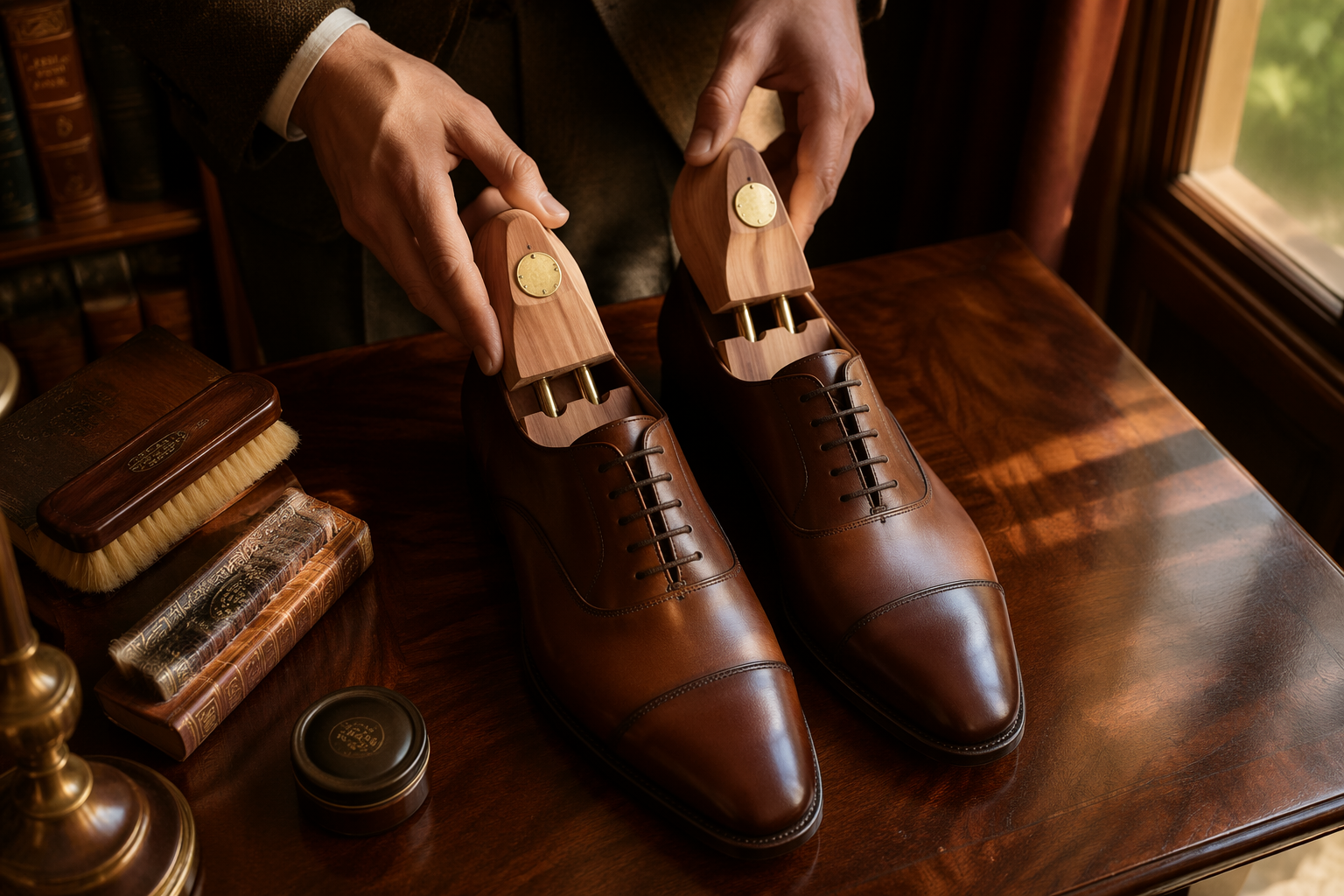
In a man’s wardrobe, a pair of hand-stitched leather dress shoes is often more than just clothing; it is a long-term investment. However, many people who spend hundreds or even thousands of dollars on luxury footwear often overlook a critical maintenance step: the shoe tree.
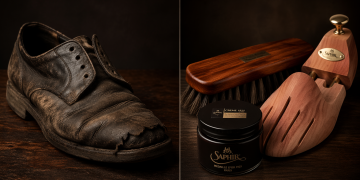
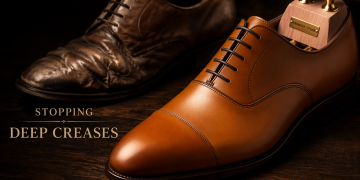
According to research in the International Journal of Fashion Design, Technology and Education, leather is a biological fiber material with high plasticity and environmental sensitivity. After a day of wearing leather shoes, the sweat and pressure from your feet leave the leather fibers relaxed and damp. If the shoes are allowed to dry naturally after being removed, the leather will shrink as it cools and loses moisture, forming permanent deep creases and even causing the overall structure to collapse.
This is precisely why we are writing this article: we need to re-examine the role of the shoe tree. It is not just a simple filler; it is the “skeleton” of the footwear. Starting from material science, mechanical structure, and long-term maintenance logic, this article will reveal how a shoe shaper truly changes the life cycle of a shoe.
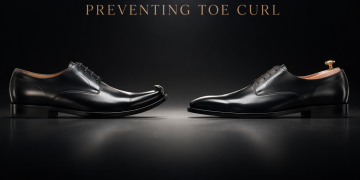
Structural Mechanics: Preventing “Toe Curl” and Deep Creases
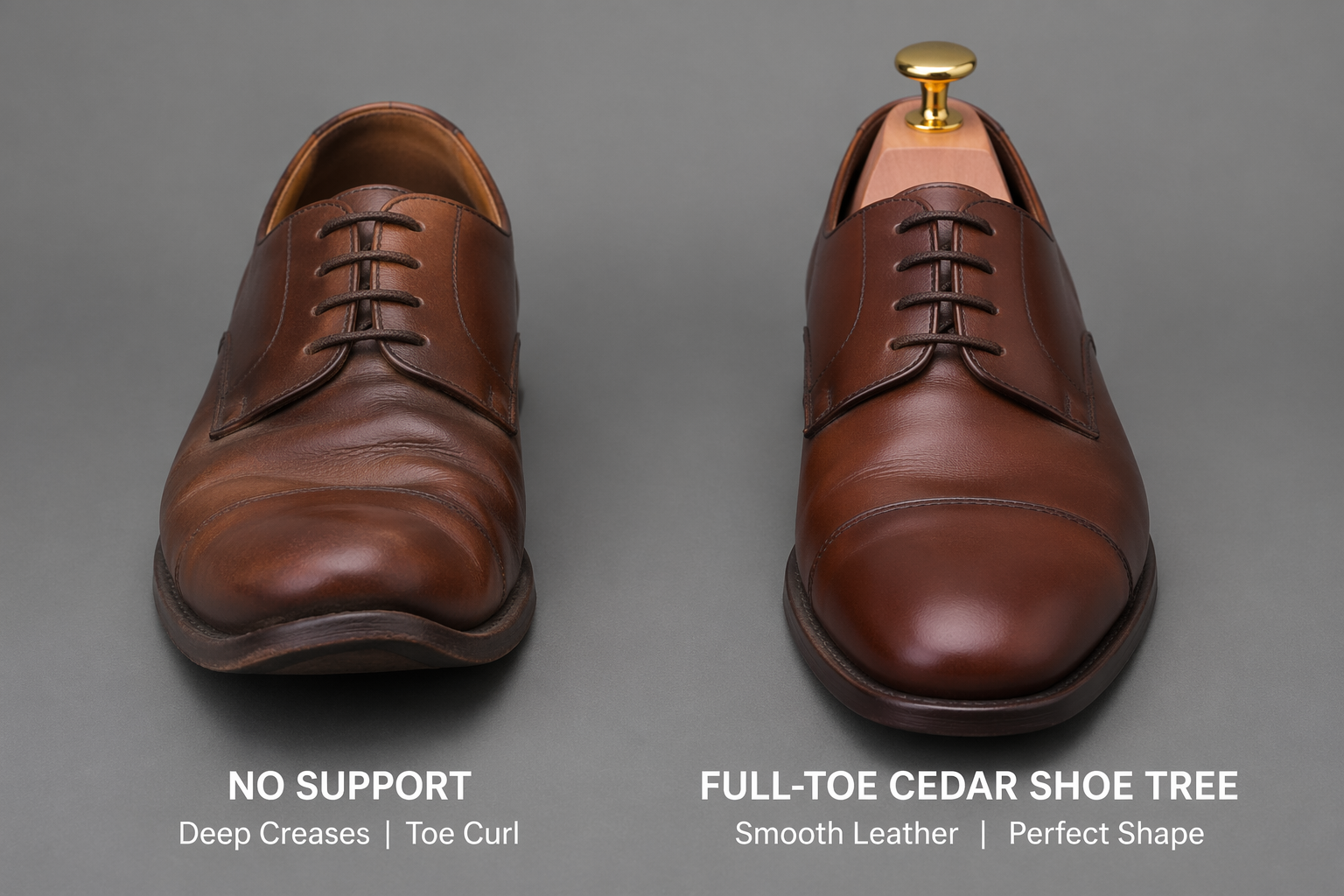
When you walk, the toe area of the shoe constantly bends with your stride. Over time, this repeated mechanical stress causes the toe area to permanently curl upward, a phenomenon known in the industry as “Toe Curl.”
The most basic function of a shoe tree is to provide reverse pressure. A well-designed pair of cedar shoe trees can fill the internal cavity of the shoe, stretching the leather back to its original “lasted” state.
A veteran cobbler with over 30 years of experience in Northampton (the holy land of British shoemaking), who wished to remain anonymous, mentioned during a conversation:
“Leather has memory. If you insert a shoe tree while the shoe still retains body heat and moisture, you are telling the leather to ‘go back to how you were.’ If you miss this window, the fibers in the leather will ‘set’ in a folded state, a damage that cannot be repaired by any expensive shoe cream.”
The Physics of Crease Prevention
When leather is damp, it is more elastic. As it dries, it stiffens. If it dries while collapsed, the creases become structural weak points. By maintaining the surface area under tension, shoe trees ensure that the leather dries in a flat, smooth state, preventing the premature cracking that often occurs along deep crease lines.
Moisture Management: The Chemical Advantage of Aromatic Cedar
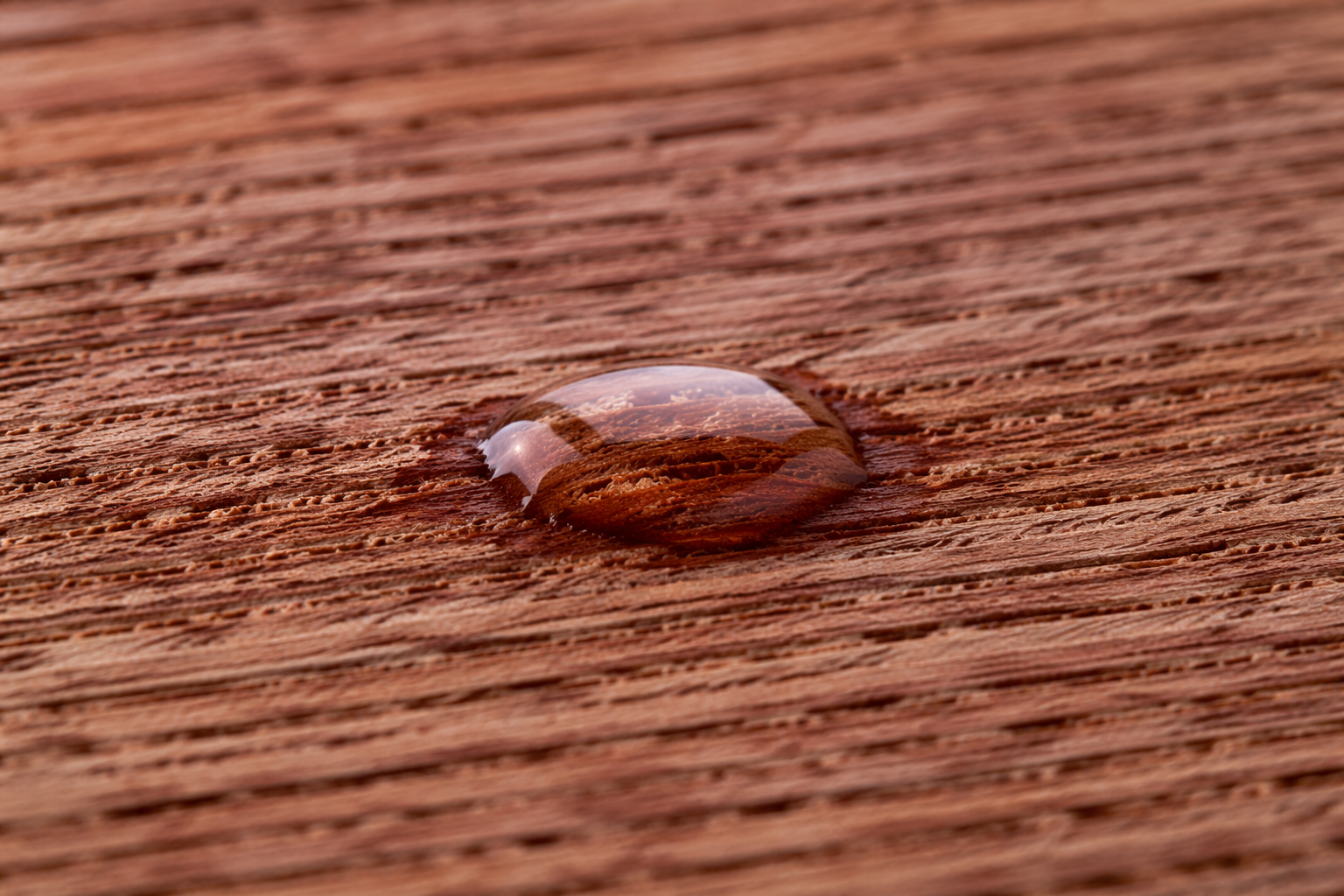
The most common answer to “what are shoe trees for” is shape retention, but scientific research shows that moisture absorption is equally important. The human foot has dense sweat glands that can produce up to half a pint of sweat in a day. This acidic moisture erodes the cork layers and leather linings inside the shoe.
Here, the choice of material becomes paramount. Currently, the mainstream materials on the market include Aromatic Cedar, Beech, and Plastic.
- Scientific Mechanism of Cedar: Cedar wood (especially Red Cedar) contains natural cedrol and essential oils. According to wood science research, untreated raw cedar wood has a high capillary action, capable of absorbing about 30% of its own weight in moisture.
- Natural Deodorization: Unlike chemical sprays that merely mask odors, cedar wood works by absorbing the moisture and eliminating the environment where bacteria thrive, thus removing odors at their source.
The pH Factor
Sweat is slightly acidic, which can break down the tanning agents in high-quality leather over time. The natural oils in cedar help to neutralize some of these effects, acting as a buffer that preserves the integrity of the leather’s chemical structure.
Material Comparison: A Fact-Based Buying Guide
To help you make a rational purchasing decision, we have conducted a side-by-side comparison of the most common types of shoe shaper on the market:
| Feature | Aromatic Cedar Wood | Premium Beech Wood | Plastic |
|---|---|---|---|
| Moisture Absorption | Very High (Natural capillary action) | Moderate (Often varnished, absorbs slowly) | None (May even trap moisture) |
| Deodorizing Effect | Natural fragrance, antibacterial properties | Minimal | None |
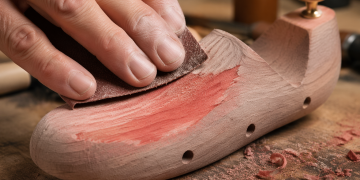
| Durability | High (Requires occasional sanding to restore scent) | Very High (Hard texture, resistant to impact) | Low (Spring fatigue, prone to cracking) |
| Use Case | Daily high-frequency leather shoes | Long-term storage, high-end collections | Travel only (Lightweight) |
| Recommendation | ⭐⭐⭐⭐⭐ | ⭐⭐⭐⭐ | ⭐ |
Shopping Advice: If you are looking for cost-effectiveness and daily maintenance, cedar shoe trees are the undisputed first choice. If you have a pair of precious bespoke shoes for long-term collection, high-hardness beech wood trees offer more stable shape protection.
Expert Perspective: The Northampton Wisdom
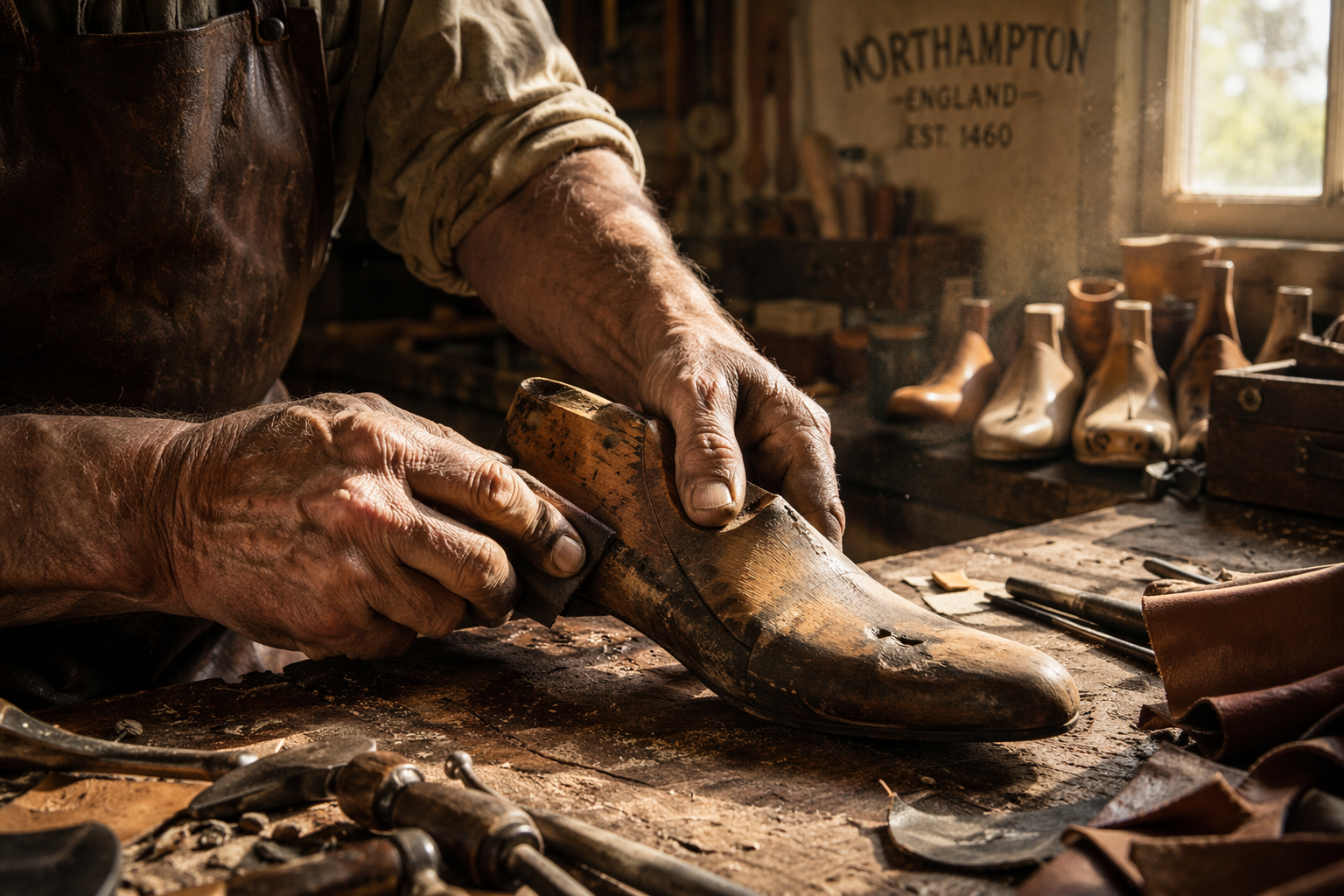
Understanding the value of a shoe tree requires understanding the craftsmanship that goes into a high-quality shoe. In the workshops of Northampton, shoes are built on “lasts”—wooden or plastic forms that define the shoe’s shape.
“When we build a shoe, it stays on the last for days to ensure it takes the shape perfectly,” explains our anonymous cobbler. “A shoe tree is essentially a mobile last. It continues the work we started in the factory every single night in your closet.”
He further notes that the internal moisture can cause the “insole” (the heart of the shoe) to warp. Once the insole warps, the entire fit of the shoe changes, leading to discomfort and foot fatigue. A solid wood tree provides the necessary counter-pressure to keep the insole flat.
Real Feedback: Long-term Value from the User’s Perspective
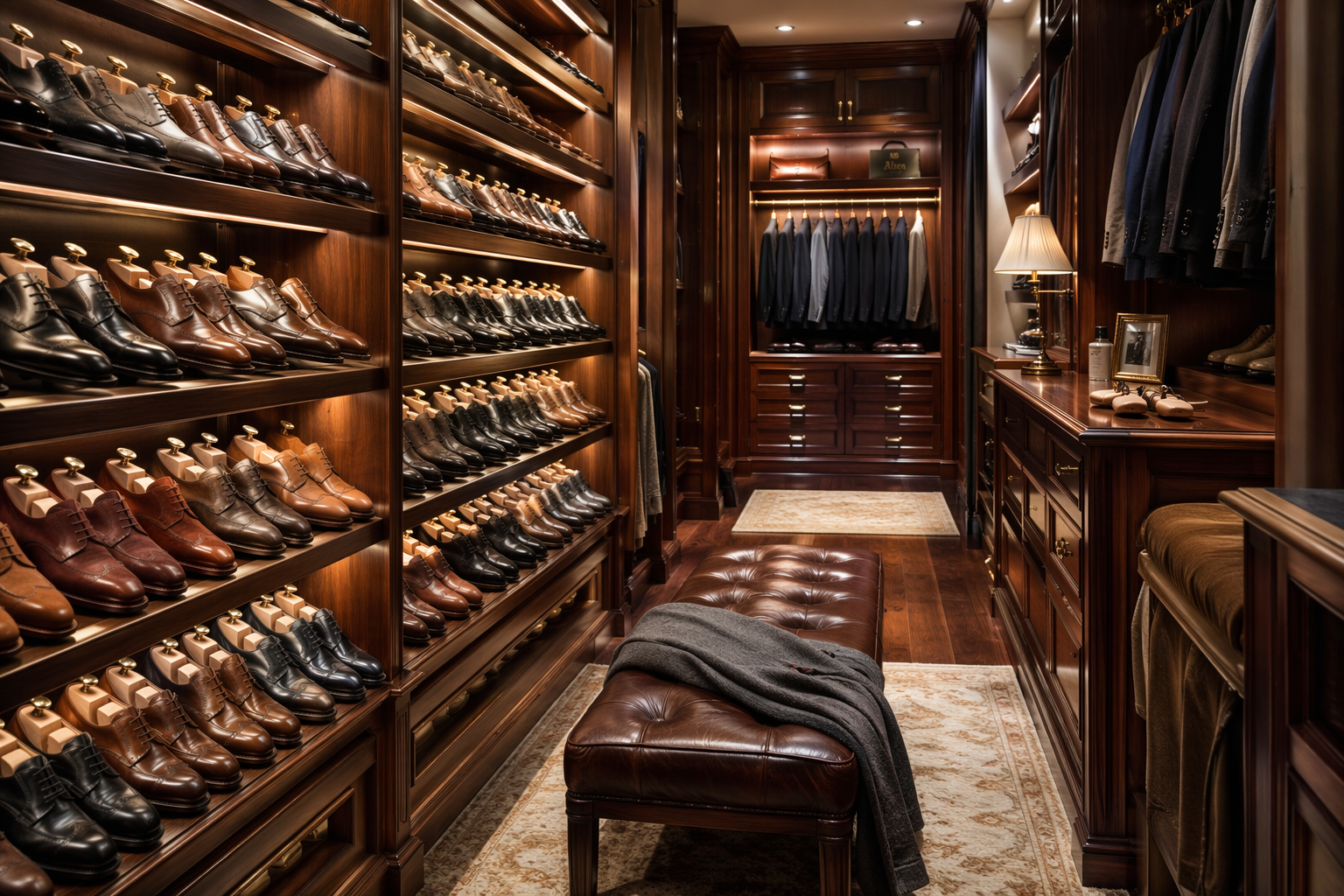
In the leather shoe maintenance community, we have collected long-term observations from several seasoned users.
A New York-based financial professional shared:
“I used to think shoe trees were a ‘gimmick.’ That was until I bought a pair of $600 Oxfords and insisted on using cedar shoe trees for two years. Compared to another pair of Brogues at the same price point that I never used trees for, the former still maintains a tight silhouette with no cracking at the creases. The latter looks like a worn-out accordion. At an average maintenance cost of less than 1 cent per day to save a multi-hundred dollar shoe, the math is simple.”
Another user noted that the aesthetic appeal of a closet filled with shoes supported by uniform cedar trees brings a sense of order and “mindfulness” to their daily routine, emphasizing that care for one’s possessions reflects a broader philosophy of quality over quantity.
How to Choose the Right “Skeleton” for Your Shoes?
When purchasing shoe trees, pay attention to these technical details to ensure you achieve the maximum benefits of shoe trees:
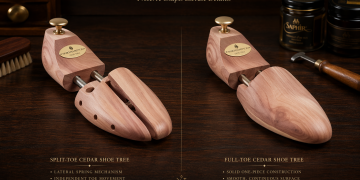
- Split Toe Design: Compared to a fixed-width front, a split-toe design better adapts to different toe box widths, ensuring even lateral pressure and preventing the sides of the shoe from collapsing.
- Full Heel Structure: Avoid “travel” trees that only have a small ball at the end of a wire; these can put excessive pressure on a single point and distort the heel. A proper tree should have a full, rounded heel block to protect the back of the shoe.
- Adjustability: Whether single-tube or twin-tube, the tree must have longitudinal spring tension to adapt to the length of the shoe’s cavity.
Conclusion
Just as an artist cares for their brushes or a racing driver maintains their engine, the care for one’s leather shoes essentially reflects a pursuit of a quality life.
Shoe trees are not solving a “what to do when it’s broken” problem; they are solving a “how to keep it from breaking” problem. They are the most silent yet powerful part of the leather shoe maintenance system. If you want your shoes to accompany you for five, ten, or even more years, give them a strong cedar “skeleton.”