





From Screen to Toes: My First Intimate Encounter with the “Future”
I have always seen myself as a fairly bold runner. My running watch stores data from the past five years. It includes miles from many brands plus many midsole technologies. I used early EVA foam models. Later I tried Pebax midsoles with that strong “spring forward” feel. I also watched carbon plates reshape marathon pacing. Yet the first time I saw AeroDash on social media, I still felt surprised.
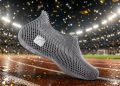
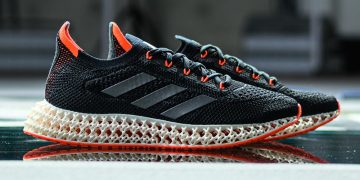
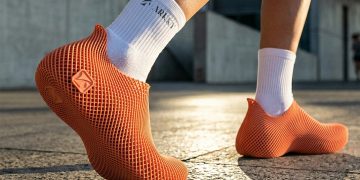
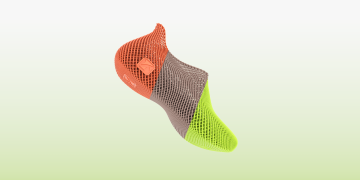
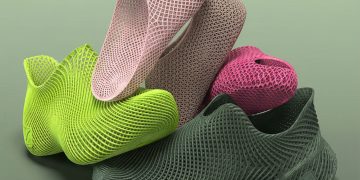
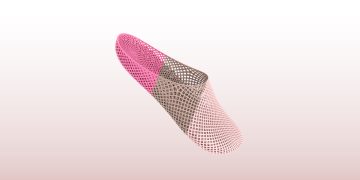
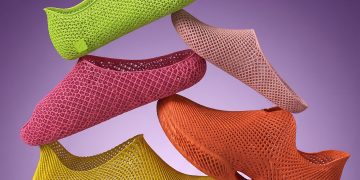
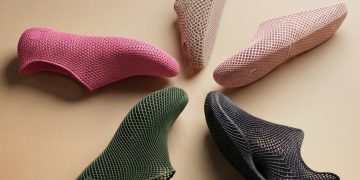
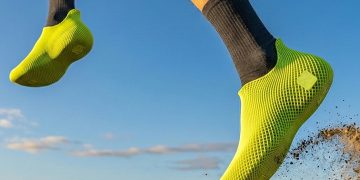
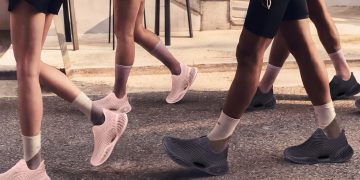
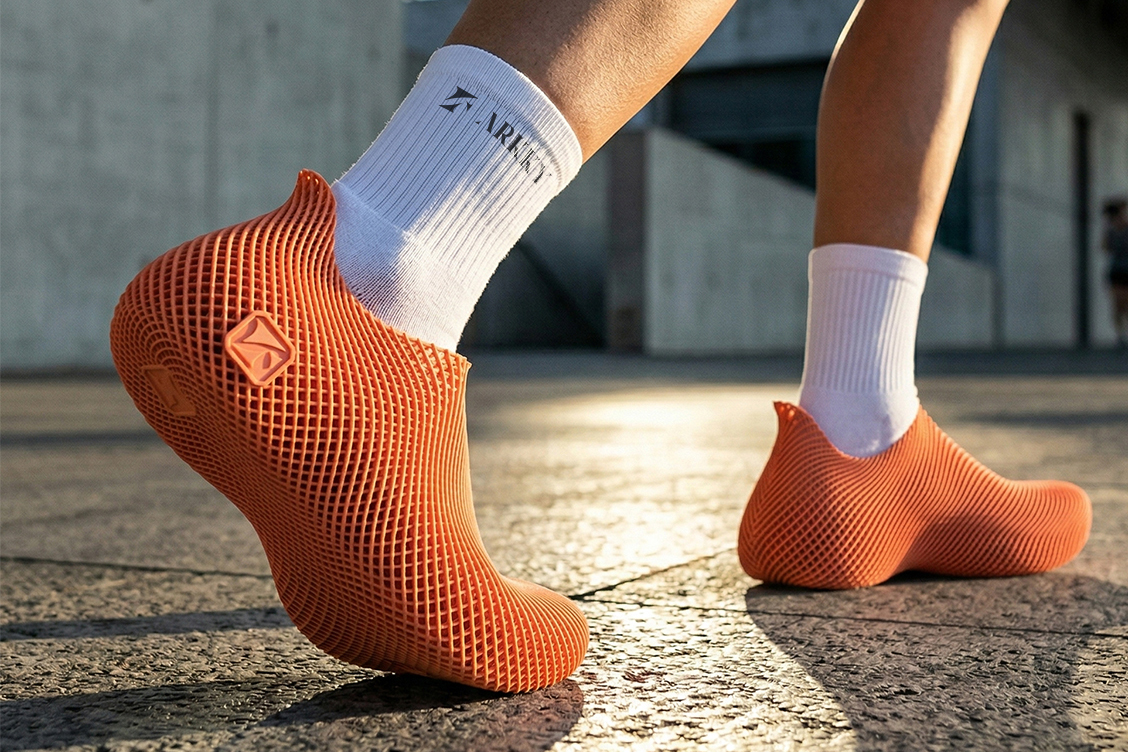
This shoe does not look like a normal factory product. It feels closer to something from a science lab. The design shows a nearly transparent lattice structure. This structure spreads from the midsole up toward the upper. As a tech fan, I could not resist the idea of wearing the future on my feet.
“Can people really run in this?” I asked customer service before placing the order. I asked myself the same question in the mirror. In earlier years, many runners described 3D-printed shoes with a simple image: heavy, stiff, mostly for photos. Yet the moment I received the AeroDash pair, my view started to change. The shoe uses 53% bio-based material. The touch feels unusual in a good way. At that moment I knew my role as a running “test subject” would start another new chapter.
Unboxing & Test: It Shattered My Understanding of Physics
The moment I opened the box, I did not smell the sharp glue odor common in many running shoes. Instead, a very light scent appeared. It felt neutral, similar to the smell of industrial material.
I looked closely at the structure of the AeroDash. It feels different from the Adidas 4DFWD I wore before. AeroDash seems more integrated. Almost the entire outsole plus upper appear to come from one continuous 3D printing process. I pressed the heel firmly with my hand. The feedback felt unusual. It did not behave like foam that compresses first then springs back. The response felt stronger, almost like a small steel framework bending under pressure in a steady rhythm.
My biggest concern was weight. My test showed that one AeroDash shoe in size 42 weighs more than 320 grams. For someone used to 200-gram racing shoes, that number feels quite high.
“No problem,” I told myself. “For easy daily runs or aerobic recovery sessions, protection may matter more than weight.” With that thought, I changed into my gear & stepped onto the early morning track.
Low-Intensity (Easy Run) Field Test: It’s “Guiding” My Gait
My first test run was an 8-kilometer easy jog. The target pace was about 6 minutes 10 seconds per kilometer.
During the first 500 meters, something felt unusual. The lattice midsole in the AeroDash creates a clear slope effect. When my heel touched the ground, the angled lattice shifted slightly in the direction of the landing force.
The feeling was surprising. The shoe did not simply block the impact. The structure changed shape, then guided the downward force into forward motion.
During the easy run, this smooth transition reduced stress on my ankles plus knees. I did not need to push hard with each step. The shoe itself seemed to guide the motion from landing toward toe-off. The fully open lattice also created strong airflow. I could feel air moving through the gaps under my feet. The cooling effect felt unique. Traditional knit uppers rarely offer this level of ventilation.
First conclusion: for low-intensity recovery runs, relaxed jogging, or daily walking commutes, the AeroDash performs extremely well. Its physical structure provides mechanical guidance that standard foam midsoles rarely achieve.
Technical Reflections—Why 3D Printing?
After the first run, I sat on a bench while studying the shoes. As a runner, a question appeared in my mind: why move toward 3D printing?
I checked the technical documents from Arkky. The AeroDash uses a bio-based elastomer called ELASTO 1000 BIO. Compared with common foam materials, its main advantage is precise control.
- Zonal Support: In a traditional running shoe, a designer may want the inner side firmer while the outer side softer. This often requires two foam layers with different densities joined together. With 3D printing, the adjustment becomes simpler. The lattice thickness can change in specific zones. This means a shoe may match a runner’s foot pressure pattern more closely through parametric design.
- Near-Zero Performance Decay: This feature interests me the most. Many EVA shoes lose structure after about 500 kilometers. The midsole begins to feel flat. The lattice system in AeroDash shows much higher fatigue strength in theory. Even after 800 kilometers, rebound may remain close to the original level if the lattice remains intact. This is not only about saving money. It also supports long-term joint protection.
High-Intensity (Interval) Testing—Future Limitations
However, when I moved into higher intensity work, reality changed my view. The session included interval training with pace below 4 minutes per kilometer.
During a 400-meter sprint, I noticed three clear limits in current 3D-printed shoes:
- Weight load: When my cadence moved above 190 steps per minute, the 300+ gram mass started to create fatigue in my lower legs.
- Response delay: The lattice must compress first, then return to shape. This cycle takes a short moment. In very quick ground contact during sprints, the steady energy return felt slower than my rhythm.
- Traction extremes: On dry asphalt, grip felt excellent. On a wet track surface, the complex lattice outsole sometimes created unexpected slipping.
Second conclusion: at the current stage, AeroDash does not work well as a PB race shoe or a high-intensity speed trainer. It feels more like a steady partner for long mileage days, not a weapon for racing.
Those Details That Leave You Both Laughing and Crying
During two weeks of daily use, I also noticed several awkward moments that seem unique to 3D-printed shoes.
The biggest problem came from small stones. One day I ran across a road under repair. A few sharp gravel pieces slipped directly into the lattice gaps of the midsole. The “click-click” sound followed me for the next 3 kilometers. After I returned home, I had to use tweezers to remove them.
Cleaning also needs extra effort. If the AeroDash becomes covered with mud, do not expect a quick wipe like with normal running shoes. The open lattice works almost like a small container for dirt. Later I found a simple solution. Use a faucet to rinse the shoe, or spray it with a high-pressure water hose during car washing. The fully open structure allows water to drain very fast. That design becomes an unexpected advantage.
On the Future—Sustainable Running
When wearing the AeroDash, I feel more than new technology. A sense of responsibility also appears. Arkky states that this shoe is 100% recyclable.
In traditional footwear production, one pair may include more than sixty parts plus several types of glue. Recycling such products becomes extremely difficult. 3D printing changes this process through single-material manufacturing. When the shoe finally wears out, it can return to the brand. The material goes through grinding plus re-extrusion. After that step, it may become another new 3D-printed shoe. This circular model gives me some relief as a runner who uses gear while also thinking about resource use.
Final Chapter: My Recommendation—How to Make It Yours
After a month of testing, I would describe the AeroDash as the ultimate daily training shoe & a futuristic style statement.
Suggested Running Intensity:
- Low intensity (1–10 km easy/recovery runs): ⭐⭐⭐⭐⭐ (top choice, excellent protection)
- Medium intensity (15 km+ long aerobic runs): ⭐⭐⭐⭐ (stable rebound, does not flatten)
- High intensity (intervals/racing): ⭐⭐ (slightly heavy, response a bit slow)
Who is it for?
- Runners like me who are tired of traditional foam & curious about new tech.
- Those who prioritize knee protection & run at paces between 5:30–7:00 per kilometer.
- City dwellers seeking extreme breathability & a shoe suitable for gym sessions & daily wear.
When I took off the AeroDash and slipped back into my old, worn EVA trainers, I felt a little out of place. The 3D structure’s combination of resilience & smooth motion had quietly reshaped my sense of how shoes should feel.
Perhaps this is what the future looks like. It may not be perfect yet, but it’s here, waiting for anyone willing to embrace change.