


Learn what rocker running shoes are, how rocker geometry works, who they work best for, the pros and cons, and how to transition into them safely.
Running shoe design has changed a lot over the past few years. One thing you may have noticed is that many modern running shoes no longer have a completely flat sole. Instead, the sole curves upward at the front, the heel, or sometimes both. This curved shape is called a rocker design.
Whether you’re trying to reduce foot discomfort, make long runs feel smoother, or improve running efficiency, understanding how rocker running shoes work can help you decide if they’re the right fit for your running style.
What Is a Rocker Running Shoe?
The term “rocker” comes from the curved shape built into the midsole and outsole. The bottom of the shoe is designed to roll forward in a way that resembles the motion of a rocking chair.
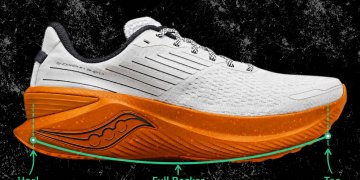
If you place a rocker running shoe on a flat table, you’ll usually notice that the toe, the heel, or both are slightly lifted off the surface instead of sitting completely flat. This curved geometry is often paired with a thicker midsole to help guide the foot through a smoother rolling motion during each step.
How Does a Rocker Design Work?
The main idea behind a rocker running shoe is simple: the shoe helps move your foot forward more efficiently during the running gait cycle.
In a traditional flatter shoe, your ankle, Achilles tendon, and big toe need to bend and extend more as you move from landing to toe-off. A rocker shoe changes this by building a rolling motion directly into the shape of the sole itself.
As your foot lands and moves forward, the curved midsole helps guide your weight smoothly from the heel toward the forefoot. Because the shoe assists with that transition, the body often doesn’t need as much joint movement to create forward momentum.
For many runners, this rolling sensation makes running feel smoother, easier, and less demanding on the feet and calves, especially during longer runs or recovery days.
Classic Examples of Rocker Running Shoes
To better understand how rocker geometry feels in real running shoes, here are three well-known examples that use rocker designs in different ways:
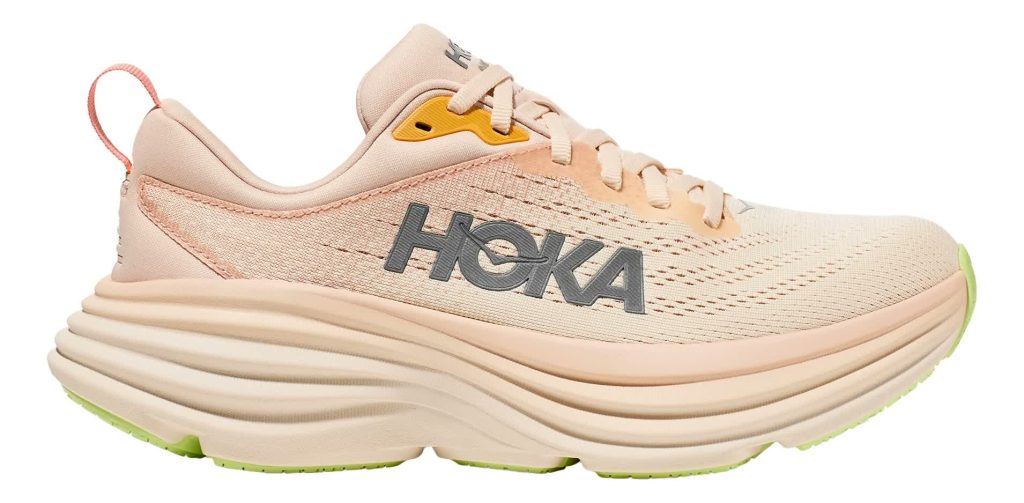
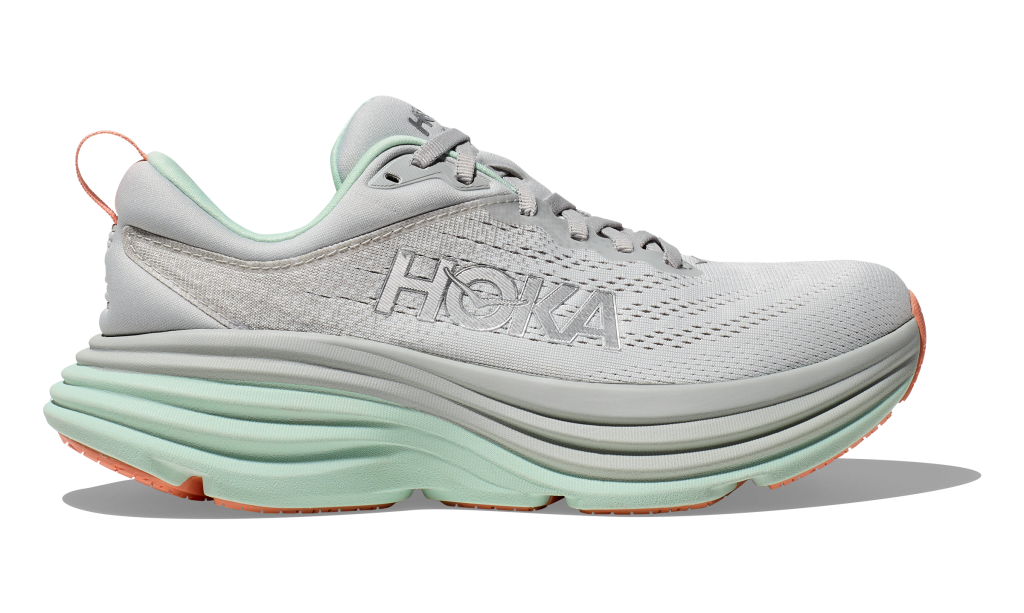
- Hoka Bondi 8 — One of the most recognizable max-cushion running shoes on the market, the Bondi uses a full rocker design combined with a thick midsole. The rolling transition feels smooth and stable, making it especially popular for easy runs, recovery days, walking, and runners who want softer impact protection.
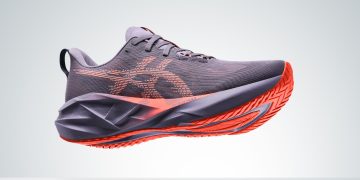
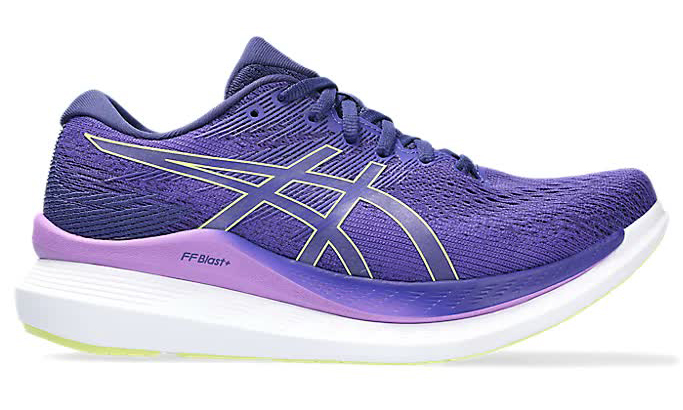
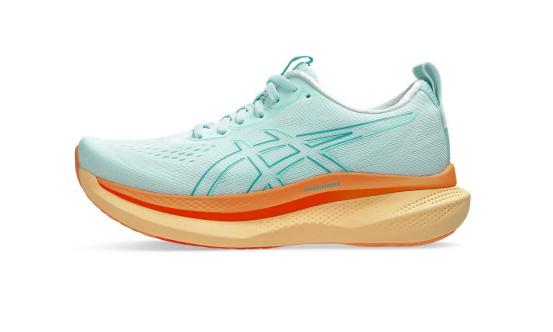
- ASICS GlideRide 3 — Built around ASICS’ GUIDESOLE technology, the GlideRide has a much more aggressive forefoot rocker shape. The design aims to reduce ankle flexion and help conserve energy during longer runs by creating a smoother forward roll through each stride.
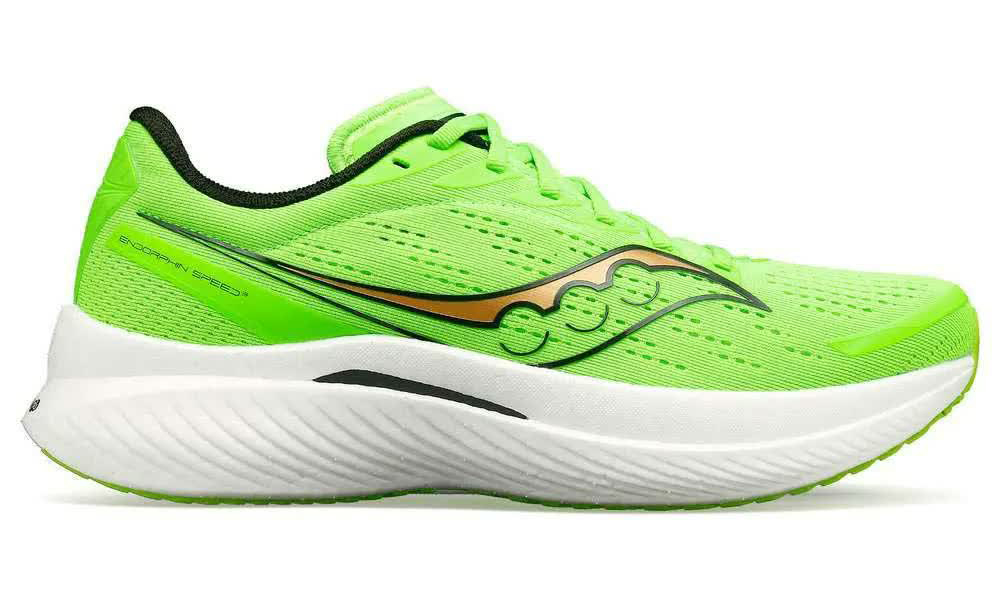
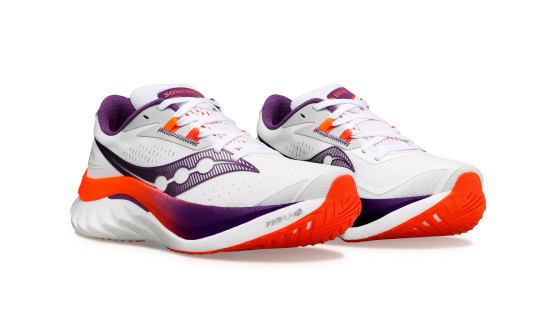
- Saucony Endorphin Speed 3 — Using Saucony’s SPEEDROLL geometry, this shoe delivers a more propulsive rocker sensation. The transition feels fast and energetic, which is why many runners enjoy it for tempo runs, uptempo training, and longer speed sessions.
Benefits of Running in Rocker Shoes
The growing popularity of rocker running shoes is not just marketing hype. For many runners, rocker geometry can noticeably change how running feels by making transitions smoother and reducing stress on certain parts of the body.
- Improved toe-off motion — For runners with stiff big toe joints or limited toe flexibility, the curved sole helps replace some of the bending normally required during push-off. This can make running feel more comfortable, especially during longer efforts.
- Reduced joint stress — Research suggests that rocker shoes may help reduce loading on the Achilles tendon, calf muscles, and parts of the forefoot by smoothing out the rolling motion during each stride.
- Better running flow and stability — Even though many rocker shoes look tall, wider midsoles and the rolling transition can create a surprisingly stable feeling underfoot for many runners.
- More comfort during long runs — Many runners describe the sensation as feeling slightly “guided forward.” That smoother rolling transition can make easy miles and long-distance training feel less tiring over time.
Who Are Rocker Running Shoes Best For?
Rocker running shoes are not only designed for elite runners. In many cases, they can be especially helpful for runners dealing with discomfort, stiffness, or reduced mobility.
You may benefit from rocker shoes if any of the following sounds familiar:
- Big toe stiffness, arthritis, or bunion discomfort — Especially if pushing off the ground causes pain near the toe joint.
- Chronic Achilles tendon or plantar fascia irritation — Some runners find rocker geometry helps reduce strain on the lower leg and foot.
- Forefoot pain or metatarsal discomfort — The rolling shape may help reduce pressure under the ball of the foot.
- Older runners or runners returning from injury — When mobility decreases, the rocker design can help compensate for reduced joint motion.
- Runners who prefer smoother transitions — Especially during recovery runs, easy mileage, or long-distance training.
When Rocker Running Shoes May Not Be the Best Choice
While rocker shoes work very well for some runners, they are not perfect for everyone.
- Stress may shift to other areas — Reducing movement at the ankle can sometimes increase loading elsewhere in the movement chain, including the knees or hips. Runners with significant knee issues should transition carefully. NIH
- Potential stability concerns — Some aggressive rocker designs can feel awkward during sharp turns or on uneven terrain, especially for runners who prefer a lower, more grounded shoe.
- Possible over-reliance on shoe assistance — In some cases, relying too heavily on highly assisted geometry may reduce how much the foot and lower leg muscles naturally work over time.
- Less ground feel — Some runners simply prefer a more traditional, flexible ride with better road feedback.
What Led to the Rise of Rocker Running Shoes?
Rocker geometry did not begin as a running shoe trend. Its roots are often linked to medical and orthopedic footwear, where curved soles were used to help redistribute pressure under the foot, especially for people who needed to reduce stress on sensitive areas.
Later, brands such as MBT and Hoka One One helped bring rocker-style shoes into the mainstream. Hoka played an especially important role. Because its shoes used thick midsoles, the brand needed a way to make those tall shoes feel less clumsy. The answer was Meta-Rocker geometry, which helped the shoe roll forward more smoothly.
As carbon-plated “super shoes” became popular, rocker shapes became even more important. A stiff plate does not flex like a traditional shoe, so many performance shoes use aggressive rocker geometry to help create a smoother and more powerful transition from landing to toe-off.
How to Start Using Rocker Running Shoes Safely
If you want to try rocker running shoes, it is better to transition slowly. Even if the shoe feels comfortable at first, the geometry may change how your feet, calves, knees, and hips work during running.
- Start gradually — For the first few runs, keep the distance short. A 1–2 km easy jog is enough to understand how your body responds to the new rolling motion.
- Rotate with your old shoes — Do not immediately replace all your traditional running shoes. Alternate between rocker shoes and your regular shoes so your joints and muscles can adapt to different loading patterns.
- Pay attention to body feedback — Watch for unusual discomfort in your knees, hips, calves, or shins. If soreness continues instead of fading, consider speaking with a coach, podiatrist, or physical therapist.
Types of Rocker Running Shoes
Not all rocker shoes feel the same. The location and shape of the curve can change the ride completely. In general, rocker designs can be divided into the following types:
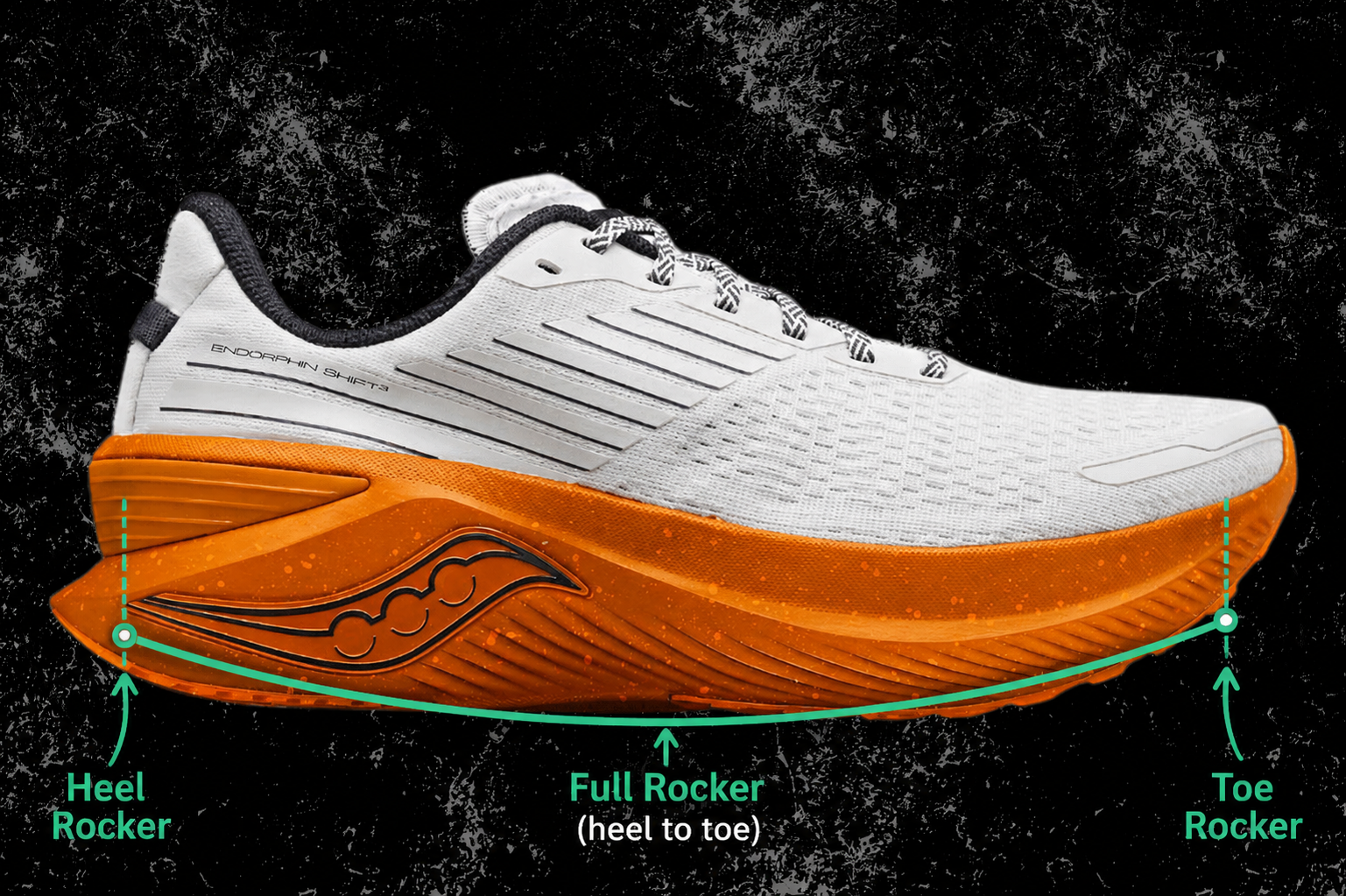
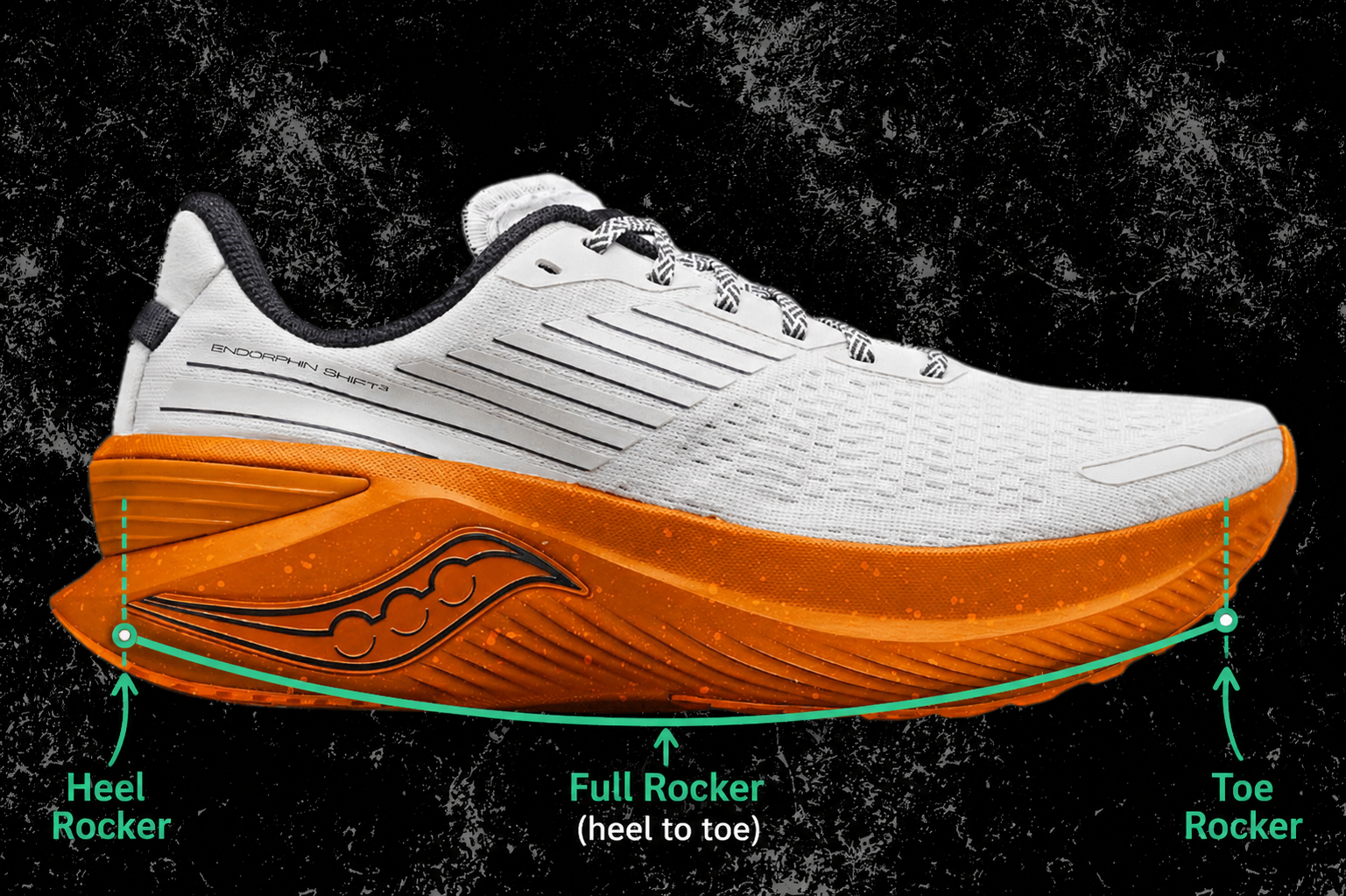
- Full Rocker, or heel-to-toe rocker — The curved shape runs through most of the sole, from the heel toward the toe. This design is especially useful for heel strikers because it creates a complete rolling sensation from landing to toe-off.
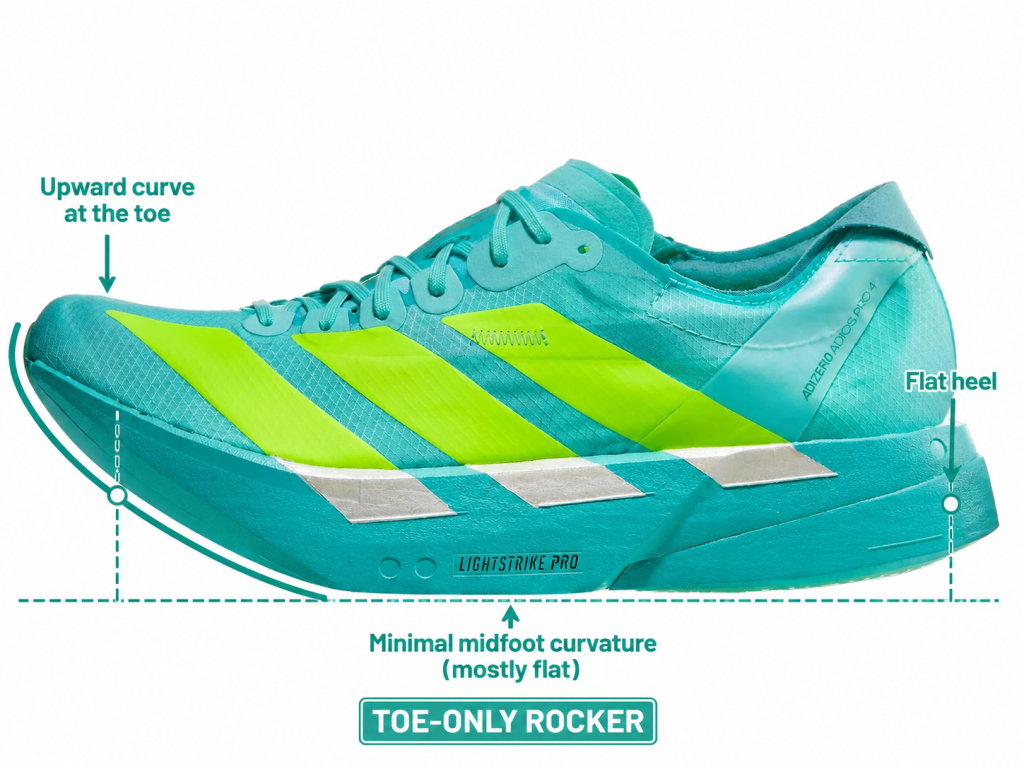
- Toe-only Rocker — The heel area stays relatively flat, while the forefoot curves upward. This design is often better for midfoot or forefoot strikers because it focuses more on the push-off phase.
- No Rocker — A more traditional flat sole design. These shoes usually offer more natural ground feedback and more forefoot flexibility.
- Hoka Meta-Rocker: Early Stage vs. Late Stage — Hoka uses different rocker placements depending on the purpose of the shoe.
- Early Stage Meta-Rocker — The curve starts closer to the midfoot. This creates a quicker transition and is often better for runners who want a faster, more agile ride.
- Late Stage Meta-Rocker — The curve starts closer to the toes. This feels more stable and is often better for daily jogging, walking, and easy running.
Rocker Designs Across Running Shoe Brands
Different running shoe brands use rocker geometry in different ways. Some focus on smooth comfort, while others focus on speed and propulsion.
- Saucony SPEEDROLL — Commonly used in the Endorphin series, SPEEDROLL combines a pronounced forefoot curve with responsive midsole foam. The result is a strong forward-rolling sensation that works well for tempo runs and faster training. (Image)
- ASICS GUIDESOLE — Seen in shoes such as the GlideRide series, GUIDESOLE is designed to reduce ankle movement and create a more efficient rolling motion. The goal is to help runners save energy over longer distances. (Image)
- Trail Running Shoes with Rocker Geometry — On uneven trails, rocker design can help the foot roll over rocks, roots, and small obstacles more smoothly. Shoes such as the Hoka Speedgoat use this type of geometry to reduce foot strain during climbing and long trail efforts.
Rocker Levels: Mild, Moderate, and Aggressive
The “aggressiveness” of a rocker design can vary a lot. Some shoes only have a gentle curve, while others feel like they are actively pushing you forward.
- Mild Rocker — The curve is subtle and easy to adapt to. This level works well for daily walking, easy runs, and runners who want a smoother ride without a dramatic rolling sensation.
- Moderate Rocker — The rolling motion is more noticeable. You can feel the shoe helping each step move forward, but it usually still feels stable enough for daily training.
- Aggressive Rocker — Often found in carbon-plated racing shoes. These shoes may feel slightly unstable when standing still, but they are designed to turn forward motion into faster, more efficient propulsion during running.
Real Runner Experience
To understand how rocker running shoes actually feel outside the lab, it helps to look at real feedback from runners. Across running communities and social media discussions, several experience patterns appear again and again.
- Less calf fatigue after 10K and longer runs — Many runners say their calves and Achilles feel less tired after longer runs compared with traditional flatter shoes. Because the rocker shape takes over part of the forward-rolling work normally handled by the ankle, the lower leg can feel fresher after 10 km or more. Some runners describe it as having less of that post-run “burning” feeling in the calves. Reddit Reddit
- The “falling forward” feeling when switching from flat shoes — When runners first move from traditional running shoes to rocker shoes, some feel as if the shoe is tipping them forward. This rolling sensation can feel strange during the first few runs. After adapting to rocker shoes, switching back to flatter shoes may feel awkward, almost as if the stride suddenly loses its smooth forward transition. Reddit
- Uphill can feel harder, downhill can feel smoother
- Uphill: On steep climbs, rocker geometry may feel less efficient for some runners. The curved sole can reduce the feeling of direct ground contact and make it harder to push firmly through the forefoot. Some runners describe it as feeling slightly like digging forward through soft ground.
- Downhill: Downhill running is often where rocker shoes feel especially smooth. The curved sole can help turn impact into forward rolling motion, creating an “automatic gear” feeling. However, tall midsoles and aggressive rockers may feel less secure during sharp turns or technical downhill sections. Reddit
- Easy-run cruising vs. tempo-run propulsion
- Easy runs: During relaxed daily runs, rocker shoes can help maintain a steady rhythm. The rolling transition makes the run feel smoother and less mentally tiring.
- Tempo runs: In faster sessions, shoes with more propulsive rocker geometry, such as the Saucony Endorphin Speed series, can feel more energetic. As cadence increases, the curved midsole can create a sharper, more forward-driving toe-off sensation. Reddit
Recommended Rocker Running Shoes
1. HOKA Bondi 8: The Classic Benchmark for Rocker Geometry
- Rating: ★★★★★ (5 stars)
- Rocker type: Full Rocker
- Ride feel: As one of the shoes that helped bring thick midsoles and rocker geometry into the mainstream, the Bondi 8 delivers one of the most recognizable rocker experiences. It does not feel aggressively fast. Instead, its gentle and stable curve turns each landing into a smooth, rounded roll forward.
- Best for: runners with plantar fascia discomfort, people who stand for long hours, heavier runners, and anyone who wants maximum protection during walking, recovery runs, or easy miles.
2. ASICS GlideRide Max / GlideRide Series: The Science-Driven Energy Saver
- Rating: ★★★★☆ (4.5 stars)
- Rocker type: Aggressive forefoot rocker
- Ride feel: ASICS’ GUIDESOLE technology uses a noticeably lifted forefoot to reduce ankle movement and create a strong rolling sensation. Once you start moving, the shoe feels like it wants to shift your stride forward automatically.
- Best for: runners who care about efficiency and want to save energy over longer distances. It is one of the clearest examples of a rocker shoe designed to reduce wasted motion during the running gait.
3. Saucony Endorphin Speed 3/4: The All-Rounder That Balances Propulsion and Comfort
- Rating: ★★★★☆ (4.5 stars)
- Rocker type: Propulsive rocker / SPEEDROLL
- Ride feel: Unlike a purely mechanical rolling shoe, the Endorphin Speed combines rocker geometry with the rebound of a nylon plate. At easy paces, the rocker feels smooth and controlled. When you speed up, it creates a stronger forward-driving sensation that makes faster running feel more natural.
- Best for: intermediate and advanced runners. It works well for tempo runs, progression runs, half-marathon training, and runners who want one shoe that can handle both daily mileage and faster sessions.
4. On Cloudmonster 2: A Firm, Distinctive Mix of Cushioning and Rocker Flow
- Rating: ★★★★☆ (4 stars)
- Rocker type: Moderate forefoot rocker
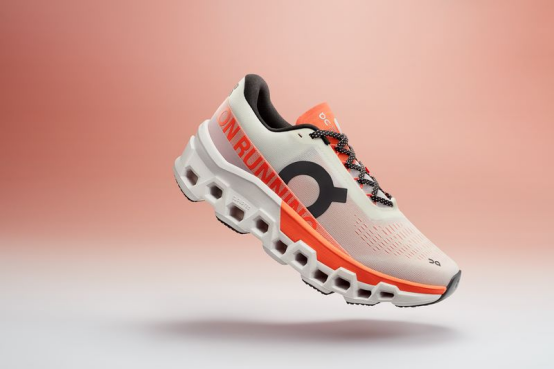
- Ride feel: On combines its CloudTec cushioning modules with a curved sole shape to create a crisp and slightly firmer rolling sensation. Compared with HOKA, the Cloudmonster 2 feels more direct underfoot and less sponge-like, while still offering a smooth forward transition.
- Best for: runners who want a clear road feel, a less mushy rocker ride, and a shoe that can also work well for casual streetwear.
Final Thoughts
Rocker running shoes have undoubtedly changed modern running footwear. They give some injured runners a new option and provide efficiency-focused runners with a powerful tool. Still, shoes are only tools. Understanding your own gait needs and choosing the right rocker level is the real key to enjoying the run. Hopefully, this guide helps you find the rolling sensation that fits you, making every mile feel smoother and easier.