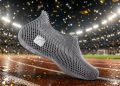

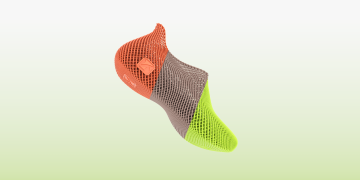
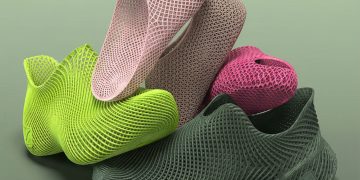
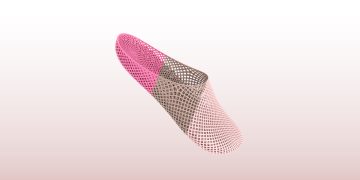
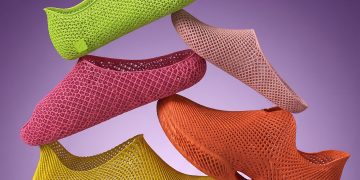
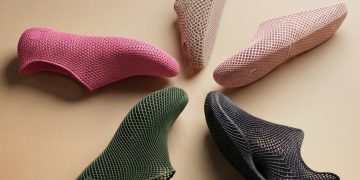
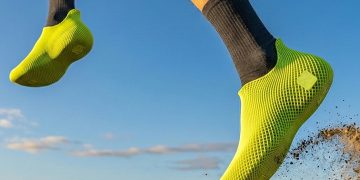
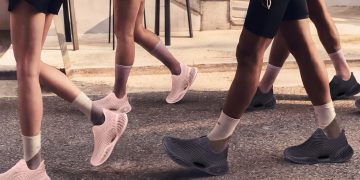

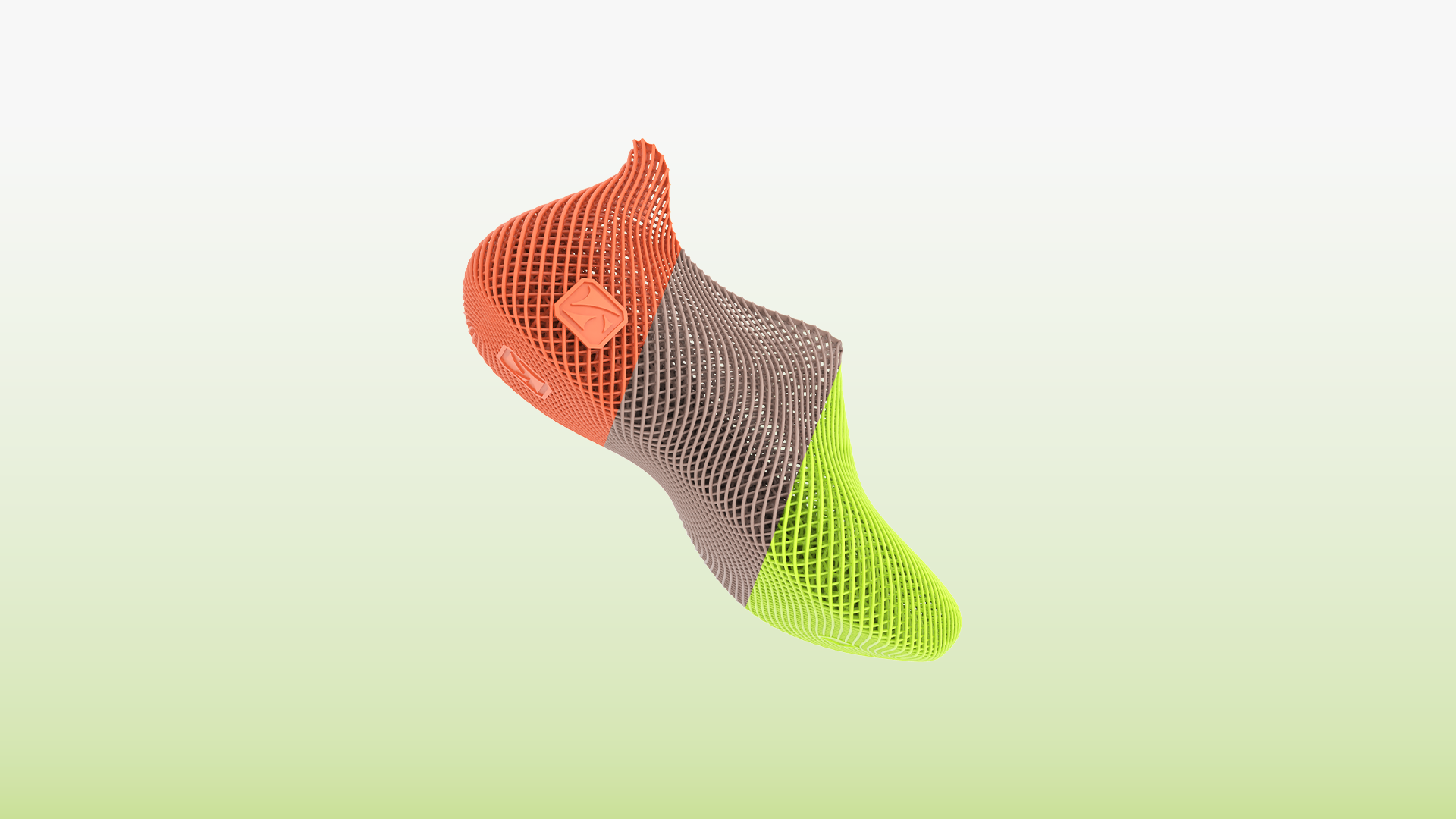
3D printed running shoes are no longer just futuristic concept products. In 2026, lattice midsoles, printed cushioning structures, and AI-guided manufacturing are becoming serious alternatives to traditional foam-based running shoes.
This guide focuses on one specific question: which 3D printed running shoes offer the best cushioning, shock absorption, and everyday comfort?
Instead of looking only at softness, we compare each shoe based on cushioning feel, shock absorption, energy return, stability, weight, fit, and the type of runner it suits best.
Important note: cushioning preferences are personal. A shoe that feels soft and protective for one runner may feel unstable or slow for another. Use this guide as a practical comparison, not as medical or injury-prevention advice.
Quick Picks: Best Cushioned 3D Printed Running Shoes for 2026
| Rank | Model | Core Technology | Best For | Why It Stands Out | Score |
| 1 | Adidas 4DFWD | FWD CELL 3D lattice midsole | Long runs and smooth transitions | Best overall balance of cushioning, forward motion, and support | 4.8 |
| 2 | ARKKY AeroDash | AI-HALS high-speed liquid printing | Versatile training and lifestyle comfort | Strong rebound, soft step-in feel, and value-focused 3D printed cushioning | 4.7 |
| 3 | On Cloudmonster 3 Hyper LS | Lightspray upper and high-rebound foam platform | Lightweight cushioned running | Very light feel with soft cushioning and modern construction | 4.7 |
| 4 | Zellerfeld Studio Runner | Fully 3D printed one-piece build | Customization and sustainability | Personalized fit potential, recyclable design, and experimental full-print structure | 4.5 |
| 5 | PollyFab FLUX | Hyper Air 3D lattice cushioning | Gym training and short-to-mid distance runs | Stable cushioning for mixed training and everyday movement | 4.3 |
How We Evaluated These Shoes
For this guide, we focused on practical running and walking performance rather than marketing claims. Each shoe was evaluated across the following factors:
- Cushioning: how well the midsole softens impact under the heel and forefoot.
- Shock absorption: how effectively the shoe reduces harsh impact during landing.
- Energy return: whether the shoe feels responsive or simply soft.
- Stability: how secure the shoe feels, especially with taller midsoles.
- Weight: whether the cushioning adds too much bulk.
- Fit: whether the shoe works for daily training, long runs, gym use, or casual wear.
- Technology value: whether the 3D printed structure adds real benefit compared with traditional foam.
Because 3D printed running shoes are still an emerging category, availability, exact specifications, and model names may change by region. Before buying, check the latest product details, sizing information, and return policy from the brand or retailer.
Best Overall: Adidas 4DFWD
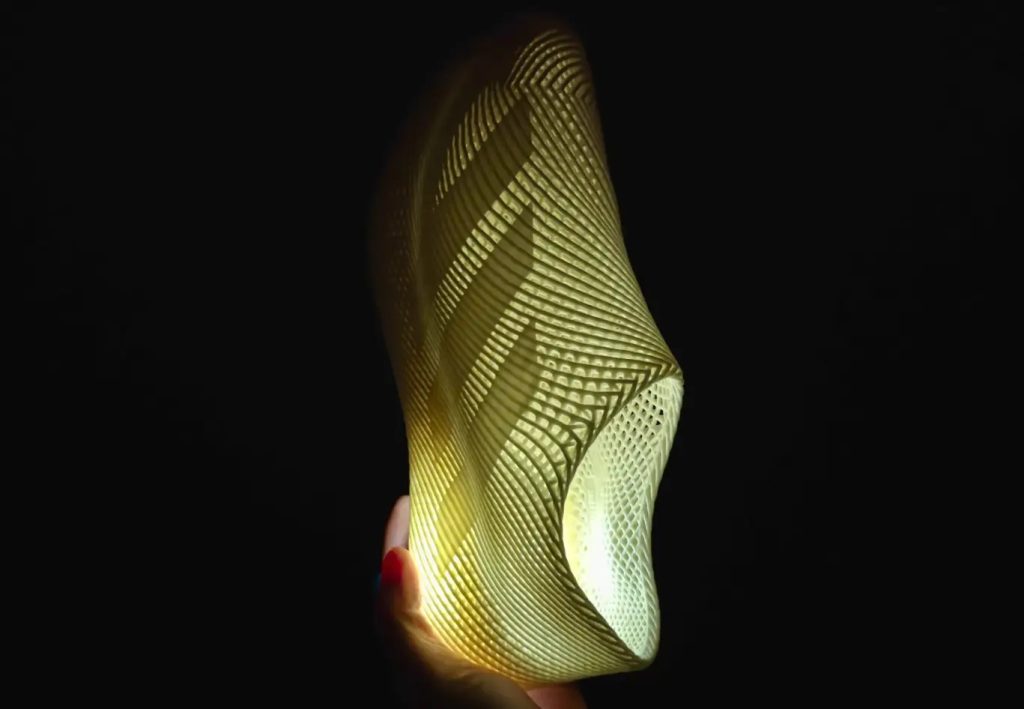
Best for: runners who want smooth cushioning, forward-guided transitions, and long-distance comfort.
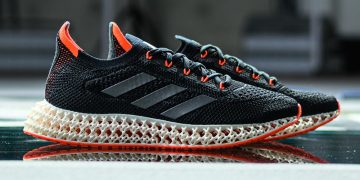
The Adidas 4DFWD remains one of the most recognizable 3D printed running shoe lines because of its lattice midsole design. Instead of simply compressing vertically like traditional foam, the FWD CELL structure is designed to deform in a way that helps guide the foot forward during each stride.
Why it ranks first
- Cushioning feel: protective without feeling overly mushy.
- Ride quality: smooth forward transition, especially at relaxed and moderate paces.
- Stability: more structured than many very soft max-cushion shoes.
- Best use: daily runs, long walks, recovery runs, and lifestyle wear.
Pros
- Excellent balance of cushioning and structure.
- Distinctive 3D lattice ride feel.
- Good option for runners who dislike overly soft foam.
- Suitable for long periods of walking or standing.
Cons
- Can feel heavier than lightweight foam-based trainers.
- Breathability may feel average in hot weather.
- Not the best choice for runners who want a very soft, cloud-like ride.
Who should buy it?
Choose the Adidas 4DFWD if you want a polished 3D printed running shoe with dependable cushioning, moderate structure, and a smooth rolling sensation.
Who should avoid it?
Avoid it if you want an ultra-light racing shoe or a very soft max-cushion trainer with a plush foam feel.
Best Value 3D Printed Cushioning: ARKKY AeroDash
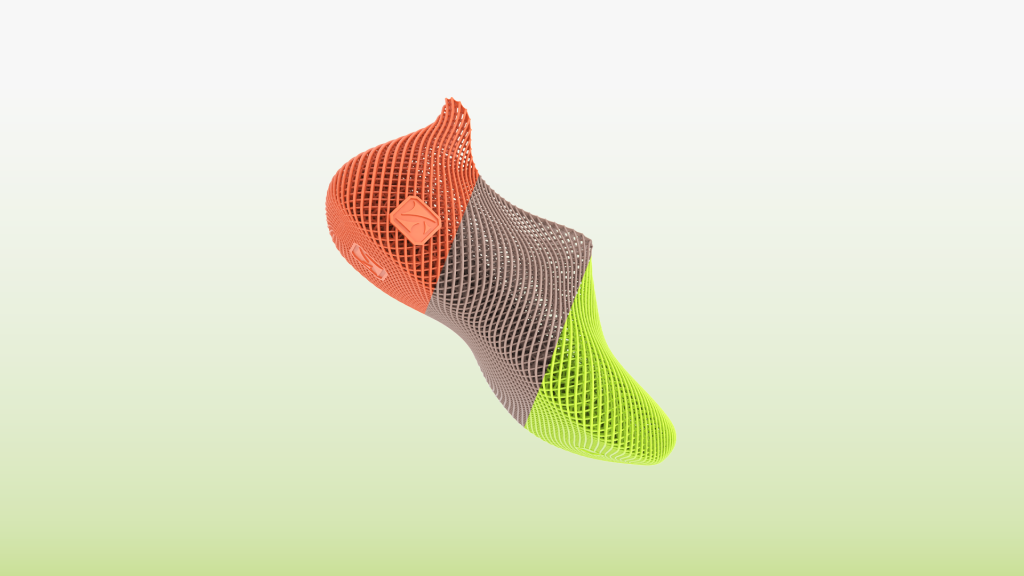
Best for: runners and casual users who want strong cushioning, noticeable rebound, and a more accessible entry into 3D printed footwear.
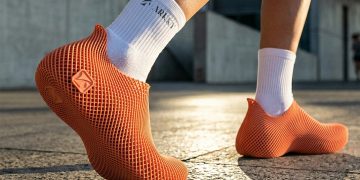
ARKKY AeroDash is positioned as a value-focused disruptor in the 3D printed shoe space. It uses an integrated printed structure with DODE lattice geometry and AI-HALS printing technology to create a cushioned ride that feels both soft and springy.
Ride feel
The step-in feel is closer to “walking on memory foam” than a firm racing shoe. During short runs, gym sessions, and everyday walking, the shoe is designed to provide a combination of shock absorption and rebound.
Pros
- Comfortable cushioning for short runs and daily wear.
- Strong rebound compared with many basic lifestyle sneakers.
- Interesting 3D printed structure at a more value-oriented position.
- Versatile enough for walking, light training, and casual outfits.
Cons
- May not offer the same race-focused efficiency as elite carbon-plated running shoes.
- Long-run performance depends on fit, runner weight, and training style.
- As with many emerging 3D printed shoes, sizing and availability should be checked carefully.
Who should buy it?
Choose ARKKY AeroDash if you want a cushioned 3D printed shoe for casual running, walking, gym training, and lifestyle use without paying only for brand prestige.
Who should avoid it?
Avoid it if you need a proven marathon racing shoe, a very lightweight speed trainer, or a shoe with years of elite race data behind it.
Best Lightweight Cushioned Option: On Cloudmonster 3 Hyper LS
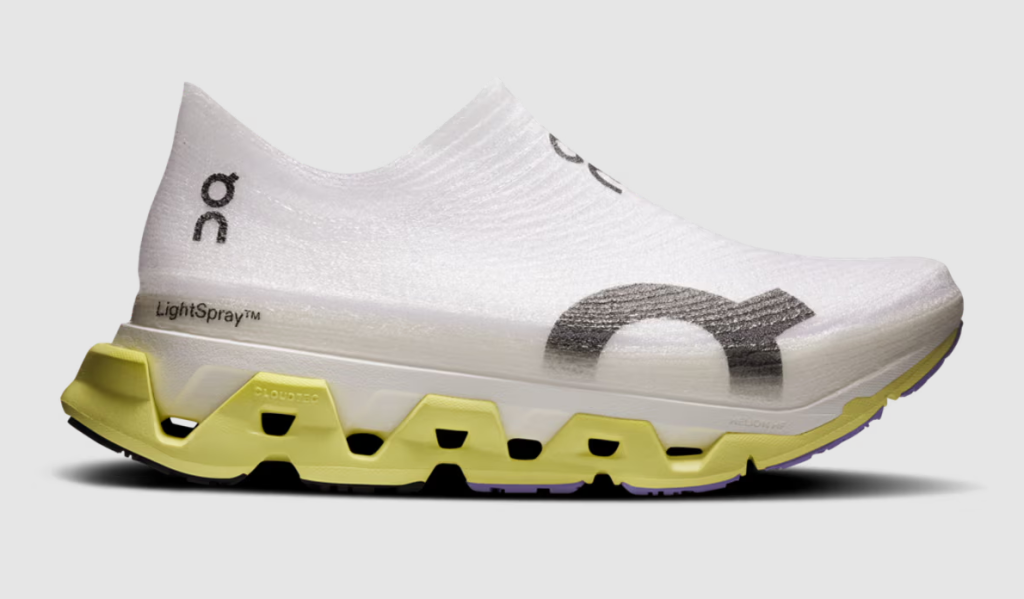
Best for: runners who want a soft, modern, lightweight shoe with strong comfort appeal.
The On Cloudmonster 3 Hyper LS combines a lightweight construction approach with a highly cushioned platform. While its core cushioning is not purely based on a full 3D printed lattice midsole, its Lightspray-related construction represents the broader direction of additive and automated footwear manufacturing.
Ride feel
The shoe is designed to feel light, smooth, and soft underfoot. For runners who want cushioning without an overly heavy build, this type of construction can be appealing.
Pros
- Lightweight feel for a cushioned shoe.
- Soft underfoot sensation.
- Modern upper construction with a clean design.
- Good option for runners who want comfort first.
Cons
- Not a fully lattice-based 3D printed midsole shoe.
- May feel less stable for runners who need strong side support.
- Premium construction can mean a higher price.
Who should buy it?
Choose it if your priority is lightweight comfort, soft cushioning, and a modern performance-lifestyle design.
Who should avoid it?
Avoid it if you specifically want a full 3D printed lattice midsole or a firmer, more grounded ride.
Best for Customization: Zellerfeld Studio Runner
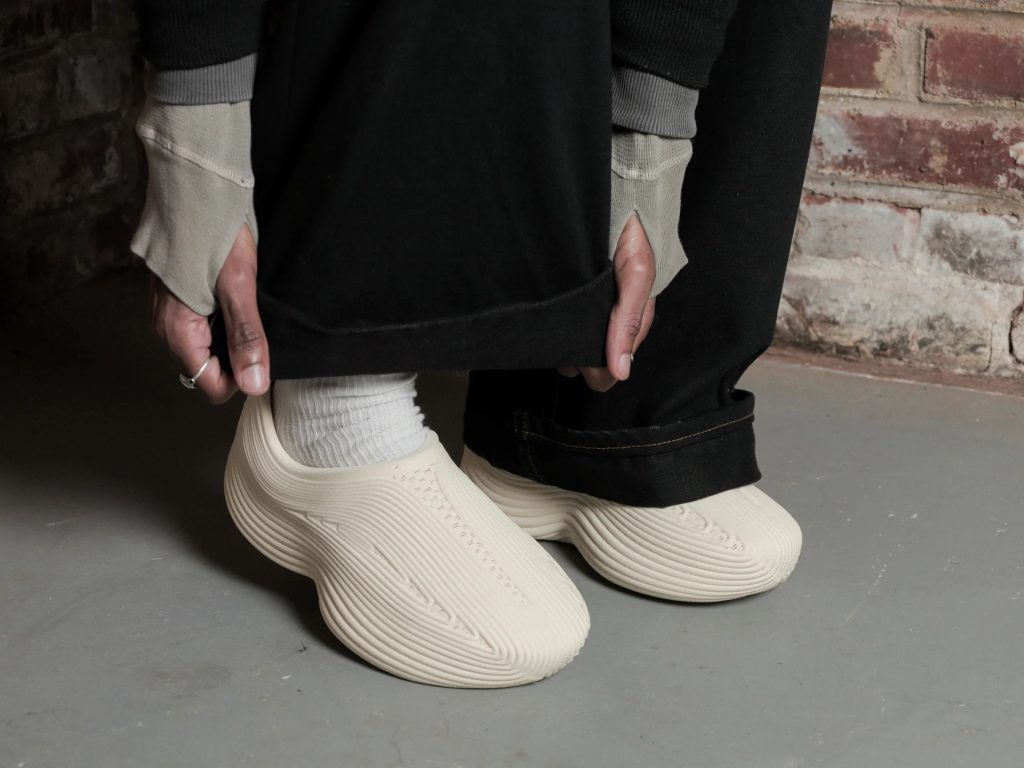
Best for: tech-focused users who care about personalized fit, sustainability, and fully 3D printed footwear.
Zellerfeld is one of the most interesting names in fully 3D printed shoes. Instead of using a traditional upper, glue, stitching, and foam midsole, the brand explores one-piece printed construction with density changes across different zones.
Why it matters
The biggest advantage is not only cushioning. It is the possibility of customized structure. In theory, different areas of the shoe can be printed with different levels of firmness based on foot shape, pressure, or intended use.
Pros
- Fully 3D printed one-piece construction.
- No-glue and no-stitching design approach.
- Strong sustainability story through recyclability.
- High potential for personalized fit.
Cons
- Still more experimental than mainstream daily trainers.
- Not always easy to buy in every region.
- Performance running data may be limited compared with major running brands.
Who should buy it?
Choose Zellerfeld if you want to experience the future of fully printed footwear and care about customization, sustainability, and design innovation.
Who should avoid it?
Avoid it if you need a proven high-mileage daily trainer with widely available sizing and established running-shoe testing history.
Best for Mixed Training: PollyFab FLUX
Best for: gym users, short-distance runners, and people who want stable cushioning for mixed movement.
PollyFab FLUX uses a 3D lattice cushioning concept to support short runs, gym training, and daily movement. Compared with shoes designed mainly for long-distance road running, this type of shoe is better understood as a hybrid training option.
Pros
- Stable cushioning for gym and everyday training.
- Suitable for short-to-mid distance road runs.
- More supportive feel than very soft lifestyle sneakers.
- Useful for people who want one shoe for multiple activities.
Cons
- May not be ideal for marathon training.
- Less specialized than dedicated road running shoes.
- Long-term durability data should be checked before heavy mileage use.
Who should buy it?
Choose PollyFab FLUX if you want a cushioned 3D printed shoe for gym workouts, short runs, travel, and daily use.
Who should avoid it?
Avoid it if you need a dedicated long-distance running shoe or a race-day performance model.
What Is Shock Absorption in Running Shoes?
In running shoe technology, shock absorption refers to how the midsole reduces the harshness of impact when your foot lands. From a physics perspective, cushioning materials deform under load and help spread impact over a slightly longer time period.
This matters because running can create forces several times higher than body weight. A good cushioning system does not remove impact completely, but it can make the peak force feel smoother and less abrupt.
Shock Absorption vs. Energy Return
Many runners confuse softness with bounce. They are not the same thing.
- Shock absorption is about reducing impact harshness. It works more like a car suspension system.
- Energy return is about storing and releasing energy. It feels more like a trampoline effect.
A shoe can be soft without being bouncy. A shoe can also feel springy without offering maximum protection from impact.
- High cushioning does not always mean high rebound: traditional cushioning systems such as GEL or soft EVA-based foams may feel protective but not especially energetic.
- High rebound does not always mean high cushioning: lightweight racing shoes can feel fast and responsive but may not provide enough protection for every runner.
Why 3D Printed Lattice Cushioning Is Different
Traditional foam cushioning relies on the compression of material and air cells. Over time, foam can pack down, lose softness, or change in feel after repeated use.
3D printed lattice cushioning works differently. Instead of depending only on foam compression, it uses controlled geometric bending. Thousands of small printed structures can collapse, flex, and recover in specific ways.
This opens the door to more precise cushioning design:
- Softer heel zones for impact absorption.
- Firmer midfoot zones for support.
- Responsive forefoot zones for toe-off.
- Different lattice densities for different runner weights or use cases.
This is why 3D printed cushioning is not only a style trend. When designed well, it can create a more controlled ride than a single block of foam.
How to Choose Running Shoes Based on Cushioning Needs
The right cushioning level depends on your body weight, weekly mileage, running experience, pace, injury history, and the surfaces you run on. More cushioning is not automatically better for everyone.
A. High Cushioning Needs
High-cushion shoes usually have taller midsoles and a more protective ride. They are often chosen by runners who want comfort over ground feel.
- Best for: long runs, recovery runs, heavier runners, marathon training, and runners who prefer soft landings.
- Common feel: protective, smooth, and comfortable.
- Possible downside: less ground feel and sometimes reduced stability.
If you choose a very cushioned shoe, look for a wide base, stable heel, and sidewall support. These features can help reduce the unstable feeling that sometimes comes with tall midsoles.
B. Moderate Cushioning Needs
Moderate cushioning is the safest category for many everyday runners. These shoes usually balance comfort, stability, and responsiveness.
- Best for: casual runners, gym users, daily walking, and people who run several times per week.
- Common feel: comfortable but not overly soft.
- Possible downside: may not feel protective enough for very long runs or heavier runners.
This is often the best place to start if you are not sure how much cushioning you need.
C. Low Cushioning Needs
Low-cushion shoes focus more on ground feel, flexibility, and lightweight movement. They can feel fast, but they are less forgiving.
- Best for: short runs, speed work, gym training, and experienced runners who like natural ground feedback.
- Common feel: firm, direct, and responsive.
- Possible downside: less protection for long runs or runners who are not used to minimal cushioning.
Beginners should be careful with low-cushion shoes, especially for longer distances. Transition gradually if you are used to thick midsoles.
Is More Cushioning Always Better?
No. More cushioning can help many runners, but it can also create trade-offs.
Very soft shoes may reduce impact harshness, but they can also reduce proprioception, which is your body’s ability to sense position and movement. When a shoe feels too soft or unstable, some runners may stiffen their legs to regain control. This can change how impact forces move through the body.
Ultra-thick midsoles can also affect stride length, foot strike, and ankle stability. This is why modern max-cushion shoes often use wider platforms and raised sidewalls to improve control.
The practical answer
The best cushioning is not the thickest cushioning. The best cushioning is the level that matches your body, running style, and use case.
- For long runs: choose protection and stability.
- For speed work: choose lighter cushioning and better response.
- For walking and daily wear: choose comfort and fit.
- For gym training: choose stability over extreme softness.
Lab Factors That Affect Cushioning
Running shoe cushioning is influenced by several measurable factors. Understanding these can help you choose better shoes and avoid marketing confusion.
1. Stack Height
Stack height is one of the strongest predictors of cushioning. A taller midsole gives the shoe more material or structure to absorb impact.
However, stack height alone is not enough. A tall shoe with a narrow base can feel unstable, while a moderately tall shoe with a well-designed platform may feel safer and smoother.
2. Midsole Hardness
Softness does not always equal better cushioning. Some very soft shoes feel comfortable at first but unstable during running. Some firmer shoes absorb impact well because of geometry, air units, plates, or multi-density construction.
For 3D printed shoes, lattice geometry can matter as much as material softness. The shape, density, and direction of the printed structure all affect how the shoe compresses and rebounds.
3. Temperature
Temperature can change the feel of running shoes. Many foam midsoles become firmer in cold weather. Some premium foams maintain rebound better than basic EVA, but most materials still change when temperatures drop.
For winter running, a slightly more cushioned or stable shoe may feel better than a minimal shoe, especially on hard surfaces.
3D Printed Cushioning vs. Traditional Foam
| Feature | 3D Printed Lattice Cushioning | Traditional Foam Cushioning |
| Cushioning Control | Can be tuned by lattice shape and density | Depends mainly on foam material and thickness |
| Durability | Potentially more consistent if structure is well designed | Can compress or lose feel over time |
| Weight | Can be light, but some printed midsoles feel heavier | Premium foams can be very light |
| Customization | High potential for personalized zones | Usually less customizable |
| Cost | Often higher due to newer manufacturing methods | Wide price range from budget to premium |
Other Cushioning Technologies to Know
3D printing is exciting, but it is not the only cushioning technology in running shoes. Traditional systems still matter.
Nike Air and Zoom Air
Air-based cushioning uses pressurized units to absorb impact and provide rebound. It can be durable because it does not compress like standard foam, but the ride feel can be more localized.
ASICS GEL
GEL cushioning is known for spreading impact and creating a smooth, stable feel. It is often used in comfort-focused trainers, although it usually adds weight and does not deliver the same rebound as modern racing foams.
PEBA and Supercritical Foams
Modern PEBA-based and supercritical foams are popular because they can be light, soft, and highly responsive. These materials still dominate many elite running shoes.
3D Printed Lattice Structures
Lattice structures are different because they use geometry as the cushioning system. This allows designers to create specific zones for shock absorption, support, and energy guidance.
Industry Trend: Max Cushioning Is Evolving
The running shoe market has been moving toward taller midsoles for years. What once looked extreme is now common in daily trainers, recovery shoes, and marathon shoes.
But simply making midsoles thicker has limits. Taller shoes can increase leverage forces and make the ankle feel less stable. This is why brands now combine cushioning with stability features such as:
- Wider bases: to create a more stable platform.
- Sidewall designs: to let the foot sit inside the midsole instead of on top of it.
- Zoned cushioning: to make some areas softer and others firmer.
- 3D printed structures: to reduce unnecessary bulk while controlling impact more precisely.
The future of cushioning may not be about making shoes taller. It may be about making cushioning smarter.
Buying Advice: Which 3D Printed Running Shoe Should You Choose?
- Choose Adidas 4DFWD if you want the safest all-around 3D printed running shoe with smooth transitions.
- Choose ARKKY AeroDash if you want strong comfort, value, and versatile daily use.
- Choose On Cloudmonster 3 Hyper LS if you want a lightweight, soft, modern running feel.
- Choose Zellerfeld if customization, sustainability, and experimental design matter most to you.
- Choose PollyFab FLUX if you want stable cushioning for gym training and short-to-mid distance runs.
FAQ: 3D Printed Running Shoes and Cushioning
Are 3D printed running shoes good for running?
Yes, some 3D printed running shoes can be good for running, especially when the lattice structure is designed for impact absorption, stability, and smooth transitions. However, not every 3D printed shoe is built for serious running. Some are better for lifestyle wear or light training.
Are 3D printed midsoles more durable than foam?
They can be more consistent over time because the cushioning depends on structure rather than only foam compression. However, durability still depends on the material, print quality, outsole design, runner weight, and mileage.
Do 3D printed running shoes offer better cushioning?
They can offer more controlled cushioning, but “better” depends on the runner. Traditional foam shoes may still feel lighter, softer, or faster. 3D printed shoes are most interesting when they use lattice geometry to create zoned support and predictable impact control.
Are 3D printed shoes good for marathon training?
Some may work for long runs, but marathon training requires proven comfort, fit, durability, and stability. If you plan to run high mileage, test the shoe gradually before using it for long-distance training.
What is the difference between shock absorption and energy return?
Shock absorption reduces the harshness of impact. Energy return makes the shoe feel springy or responsive. A great running shoe balances both, but some shoes focus more on protection while others focus more on speed.
Are max-cushion running shoes always better?
No. Max-cushion shoes can feel protective, but they may also feel unstable or less responsive for some runners. The best shoe depends on your running style, body weight, distance, pace, and comfort preference.
Final Verdict
The best cushioned 3D printed running shoes for 2026 are not just about futuristic looks. The real value comes from how well the printed structure manages impact, supports the foot, and maintains comfort over time.
Adidas 4DFWD is the strongest overall choice for runners who want a proven lattice-based platform. ARKKY AeroDash is one of the most interesting value-focused options for cushioning and everyday comfort. On Cloudmonster 3 Hyper LS is best for lightweight comfort, while Zellerfeld leads in customization and sustainability potential.
If you are new to 3D printed shoes, start with a model that matches your real use case. For long runs, prioritize stability and cushioning. For walking and lifestyle wear, prioritize comfort and fit. For gym use, prioritize support and control.
3D printed cushioning is still evolving, but it is already changing how running shoes are designed. The next generation of cushioned footwear may rely less on simply adding more foam and more on using smarter structures underfoot.