








Quick answer: A shoe rotation means using two or more pairs of running shoes for different types of runs, instead of wearing the same pair every day. One shoe may be used for daily easy runs, another shoe for speed workouts, and another shoe for long runs or recovery days.
For many runners, a shoe rotation is not just a reason to buy more shoes. It is a practical way to spread impact stress, give shoe foam more time to recover, improve comfort, and choose the right shoe for the right workout. A study indexed in PubMed examined whether runners who used different pairs of running shoes in parallel had a lower risk of running-related injury, which makes shoe rotation a useful topic for runners who train several times per week. Source: PubMed
If you are a beginner, you may only need one good daily trainer. If you run three or more times per week, a two-shoe or three-shoe rotation can make your training more comfortable and more organized.
What Is a Shoe Rotation?
A shoe rotation is a system where a runner alternates between different running shoes during the week. The shoes may have different cushioning levels, heel-to-toe drops, stack heights, weights, and purposes.
In simple words, you do not ask one shoe to do every job.
- A daily trainer handles most easy miles.
- A speed shoe helps with tempo runs and interval workouts.
- A max cushion shoe protects tired legs on recovery days or long runs.
- A race day shoe is saved for faster efforts and important races.
- A trail shoe is used when you run off-road.
This method is used by casual runners, marathon runners, and competitive athletes. The goal is not to make running more complicated. The goal is to make each run feel more suitable for its purpose.
Do You Really Need a Running Shoe Rotation?
Not every runner needs many shoes. Your need depends on how often you run, how far you run, and what kind of workouts you do.
| Runner Type | Recommended Rotation | Best Setup |
| Beginner | 1 shoe | One comfortable daily trainer |
| 3–4 runs per week | 2 shoes | Daily trainer + speed shoe or max cushion shoe |
| Half marathon training | 3 shoes | Daily trainer + tempo shoe + long run shoe |
| Marathon or advanced runner | 4+ shoes | Daily trainer + speed shoe + max cushion shoe + race shoe |
The most important idea is this: build your rotation based on your real training, not based on what other runners own.
Why Rotate Running Shoes?
The main reasons for rotating running shoes are foam recovery, injury-risk management, better workout matching, and longer shoe life.
1. Foam Recovery: The 24–48 Hour Rule
Modern running shoes use midsole foams such as EVA, TPU, PEBA, supercritical foam, and other cushioning materials. During a run, the midsole compresses under thousands of foot strikes.
After the run, the foam needs time to return closer to its original shape. Many runners use the simple 24–48 hour rule: after a shoe is used, give it at least one day before using it again, especially after a long run or hard workout.
This does not mean your shoe is ruined if you wear it two days in a row. But if you always run in the same pair every day, the midsole may feel more compressed, less protective, and less lively over time.
2. Different Shoes Spread Stress Differently
Running is highly repetitive. During running, the body can experience vertical ground reaction forces that are roughly 1.5 to 3 times body weight, depending on speed, surface, and running mechanics. Source: Biomechanics study on PMC
When you always wear the same shoe, your body may receive a very similar loading pattern again and again. When you rotate between shoes with different stack heights, drops, cushioning levels, and stiffness, the load can shift slightly across different tissues. This does not guarantee injury prevention, but it may help reduce repeated stress on exactly the same areas.
When you rotate between shoes with different stack heights, drops, cushioning levels, and stiffness, the load can shift slightly across different tissues.
- A higher-drop shoe may reduce strain on the calf and Achilles for some runners.
- A lower-drop shoe may place more demand on the calf and foot muscles.
- A softer shoe may reduce impact harshness but can feel less stable.
- A firmer shoe may feel more controlled but less forgiving.
This variation can help reduce the feeling of overusing the same muscles and joints in exactly the same way. It is not a guarantee against injury, but it can be a useful training strategy.
3. The Right Shoe Makes the Right Run Easier
A slow recovery run, a tempo workout, a long run, and a race are not the same job. One shoe usually cannot be perfect for all of them.
- A plush max cushion shoe may feel great on tired legs.
- A lightweight speed shoe may feel better for intervals.
- A stable daily trainer may be best for normal mileage.
- A carbon-plated shoe may be useful for race day but too aggressive for easy daily use.
When each shoe has a clear purpose, your training becomes easier to manage.
4. A Rotation Can Extend Shoe Life
Using the same shoe every day puts all mileage into one pair. Rotating shoes spreads mileage across multiple pairs. This can help each pair last longer in calendar time, and it gives the midsole more rest between runs.
It does not make shoes last forever. But it can help you avoid wearing one pair until it feels completely dead.
The Two Shoe Specs You Need to Understand
Before building a shoe rotation, you need to understand two common running shoe terms: stack height and heel-to-toe drop.
Stack Height: How Much Shoe Is Under Your Foot
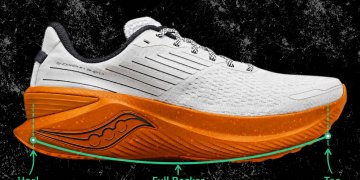
Stack height means the amount of material between your foot and the ground. A higher stack usually means more cushioning. A lower stack usually means more ground feel.
- High stack shoes: better protection for long runs and tired legs, but sometimes less stable.
- Moderate stack shoes: balanced choice for daily training.
- Low stack shoes: better ground feel and lighter movement, but less impact protection.
For most runners, a daily trainer with moderate cushioning is the safest starting point.
Heel-to-Toe Drop: How the Shoe Changes Loading
Heel-to-toe drop means the height difference between the heel and the forefoot.
- High drop shoes, usually 8mm to 12mm: often feel familiar and may be easier on the calf and Achilles for many runners.
- Medium drop shoes, around 5mm to 8mm: balanced for many daily trainers.
- Low drop shoes, around 0mm to 4mm: can encourage more midfoot or forefoot loading, but may require stronger calves and feet.
Do not change drop too aggressively. If you normally run in a 10mm drop shoe, do not suddenly do all your long runs in a zero-drop shoe. Introduce changes slowly.
Main Types of Running Shoes in a Rotation
A good running shoe rotation is usually built from a few basic shoe categories. You do not need all of them, but it is useful to understand what each type does.
1. Daily Trainer
The daily trainer is the anchor of most shoe rotations. It is the shoe you use for easy runs, normal mileage, and general training.
- Best for: easy runs, normal mileage, beginner training, walking, and general use.
- Key features: comfort, durability, stability, and moderate cushioning.
- Examples: Nike Pegasus, Saucony Ride, Brooks Ghost, ASICS Cumulus.
If you only buy one running shoe, choose a daily trainer.
2. Speed or Tempo Shoe
A speed shoe is lighter and more responsive than a daily trainer. It may use firmer foam, springier foam, rocker geometry, or a nylon plate.
- Best for: tempo runs, intervals, progression runs, and faster training days.
- Key features: lower weight, quicker turnover, more responsive ride.
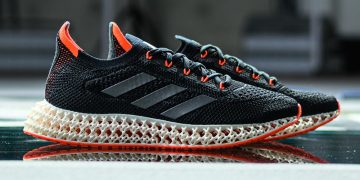
- Examples: Saucony Endorphin Speed, Adidas Boston, New Balance Rebel.
This is usually the best second shoe for runners who are adding structured workouts.
3. Max Cushion or Recovery Shoe
A max cushion shoe is soft, protective, and comfortable. It is usually used when the legs feel tired or when the run is slow and easy.
- Best for: recovery runs, long walks, easy long runs, and tired legs.
- Key features: high cushioning, soft landings, comfort-first design.
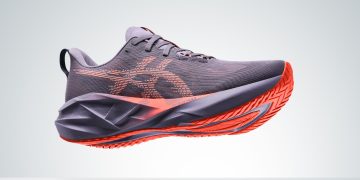
- Examples: ASICS Novablast, Hoka Bondi, New Balance More, Nike Vomero.
This can be the best second shoe for runners who care more about comfort than speed.
4. Race Day Shoe
A race day shoe is designed for performance. Many modern race shoes use carbon plates, PEBA foam, and aggressive rocker geometry.
- Best for: races, time trials, and important workouts.
- Key features: high energy return, low weight, efficient ride.
- Common downside: expensive, less durable, and not always comfortable for slow running.
Most runners do not need a race shoe at the beginning. Add it when you are training for a specific race goal.
5. Trail Shoe
A trail shoe is made for dirt paths, rocks, mud, gravel, and uneven surfaces. It usually has stronger outsole grip and a more protective upper.
- Best for: trail running, hiking-style runs, wet paths, and uneven terrain.
- Key features: outsole lugs, protection, grip, and durability.
If you mostly run on roads, you may not need a trail shoe. If you run off-road regularly, it becomes essential.
How to Build a Running Shoe Rotation
You do not need to buy four pairs at once. Start with your actual running schedule and add shoes only when there is a clear purpose.
Level 1: One-Shoe Rotation for Beginners
This is best for runners who run one or two times per week.
- Shoe needed: one comfortable daily trainer.
- Best for: beginners, casual joggers, and low weekly mileage.
- Goal: build the running habit first.
At this stage, do not overthink gear. Buy one comfortable and reliable shoe that fits well.
Level 2: Two-Shoe Rotation
This is best for runners who run three or four times per week.
| Option | Setup | Best For |
| Comfort-focused setup | Daily trainer + max cushion shoe | Easy runs, recovery runs, long walks, and heavier runners |
| Performance-focused setup | Daily trainer + speed shoe | Runners adding tempo runs or intervals |
If you are training only for general fitness, choose daily trainer plus max cushion shoe. If you are trying to get faster, choose daily trainer plus speed shoe.
Level 3: Three-Shoe Rotation
This is the sweet spot for many serious recreational runners.
- Daily trainer: for normal easy runs.
- Speed shoe: for tempo runs, intervals, and faster workouts.
- Max cushion shoe: for long runs, recovery days, and tired legs.
This setup covers most training needs for 10K, half marathon, and many marathon runners.
Level 4: Advanced Shoe Rotation
Advanced runners may use four or more shoes, but each shoe should still have a purpose.
- Daily trainer: weekly mileage.
- Speed shoe: workouts.
- Max cushion shoe: recovery and long runs.
- Race shoe: race day and key test runs.
- Trail shoe: off-road runs.
- Stability shoe: optional support when legs are tired.
The mistake is not owning many shoes. The mistake is owning many shoes that all do the same job.
Example Shoe Rotations
Beginner Running Shoe Rotation
- 1 pair: daily trainer.
- Use for: all easy runs and walking.
- Goal: comfort, consistency, and injury-free habit building.
Two-Shoe Rotation for 3 Runs Per Week
- Pair 1: daily trainer for two easy runs.
- Pair 2: max cushion shoe for the longer weekend run.
This setup works well if your main goal is comfort and general fitness.
Two-Shoe Rotation for Speed Improvement
- Pair 1: daily trainer for easy runs.
- Pair 2: speed shoe for intervals or tempo runs.
This setup works well if your weekly training includes one faster session.
Three-Shoe Rotation for Half Marathon Training
- Daily trainer: easy mileage during the week.
- Speed shoe: tempo runs and interval workouts.
- Max cushion shoe: long runs and recovery runs.
This is one of the most balanced shoe rotations for many non-elite runners.
Marathon Shoe Rotation
- Daily trainer: most weekly miles.
- Max cushion shoe: recovery runs and easy long runs.
- Tempo shoe: marathon pace workouts.
- Race shoe: race day and selected long-run tests.
Do not save your race shoe only for race day. Use it for at least one or two controlled test runs so you know how it feels.
Common Shoe Rotation Mistakes
1. Buying Too Many Shoes Too Early
A beginner does not need a five-shoe closet. Too many choices can make training confusing. Start with one good daily trainer and add shoes only when your training needs become clear.
2. Choosing Shoes That Are Too Similar
If all your shoes have the same cushioning, same weight, same drop, and same purpose, you do not really have a useful rotation. You only have several versions of the same shoe.
3. Changing Drop Too Fast
Moving from a high-drop shoe to a zero-drop shoe can change how your calves and Achilles work. Make this change gradually, especially if you are new to low-drop shoes.
4. Using Race Shoes Too Often
Race shoes can feel exciting, but they are often expensive and less durable. They may also be too aggressive for slow easy runs. Keep them for workouts and races where they make sense.
5. Ignoring Fit
A shoe rotation only works if every shoe fits. A fast shoe that gives blisters is not useful. A soft shoe that feels unstable is not protective. Comfort and fit come first.
Fit should always come before hype. Mayo Clinic Health System recommends trying on running shoes with the socks and orthotics you actually use, choosing size based on the larger foot, and leaving about a half-inch of space between the longest toe and the front of the shoe. Source: Mayo Clinic Health System
When Should You Replace Running Shoes?
Most running shoes are replaced around 300 to 500 miles, but this is only a general guideline. The American Academy of Podiatric Sports Medicine notes that midsoles should be considered worn out after 300–500 miles of running or walking, or when they show unevenness or noticeable creasing. Source: American Academy of Podiatric Sports Medicine
Mayo Clinic Health System gives a similar practical range, saying that running shoes often last about 400 to 500 miles or three to four months, while also advising runners to watch the midsole and outsole for compression or wear. Source: Mayo Clinic Health System
1. Check the Outsole
If the rubber tread is worn down, grip becomes weaker. If one side is much more worn than the other, the shoe may also feel less balanced.
2. Check the Midsole
Deep creases, uneven compression, and a “dead” feeling can mean the cushioning is breaking down. The shoe may still look fine, but the midsole may no longer protect you well.
3. Check the Upper
Holes in the mesh, heel collar breakdown, and loose structure can all signal that the shoe is near the end of its useful life.
4. Listen to New Aches
If you suddenly feel new aches in your knees, shins, feet, or hips after using an older shoe, it may be time to retire it. This is especially true if the discomfort disappears when you wear a newer pair.
How to Track Your Shoe Rotation
Tracking shoe mileage is one of the easiest ways to manage a rotation.
- Use Strava, Garmin Connect, Runna, or another running app.
- Add each shoe as a separate gear item.
- Record which shoe you used for each run.
- Set mileage reminders for 300, 400, or 500 miles.
This helps you know which shoe is fresh, which shoe is aging, and which shoe should be used for less demanding runs.
How to Buy Shoes for a Rotation Without Wasting Money
1. Buy Last Year’s Model
Running shoe brands update models often. Last year’s version can be much cheaper and still perform very well. For daily trainers, this can be one of the best ways to save money.
2. Do Not Buy Every Shoe at Full Price
Build slowly. Buy one shoe now, add another after your training increases, and add a third when you truly need it.
3. Prioritize Purpose Over Hype
A shoe should solve a real training need. Do not buy a carbon-plated race shoe if your current need is a stable daily trainer.
4. Keep One Reliable Pair
Even if you try new shoes, keep one pair you trust. This is your safety shoe for normal runs when you do not want surprises.
FAQ: Running Shoe Rotation
What is a running shoe rotation?
A running shoe rotation is the practice of alternating between two or more pairs of running shoes for different types of runs. For example, one shoe for easy runs, one shoe for speed workouts, and one shoe for long runs.
Do beginners need a shoe rotation?
Most beginners do not need a big rotation. One comfortable daily trainer is enough for one or two runs per week. A second shoe becomes useful when running frequency, distance, or workout variety increases.
Is a two-shoe rotation enough?
Yes. A two-shoe rotation is enough for many runners. The most common setup is a daily trainer plus either a speed shoe or a max cushion shoe.
How many running shoes should I rotate?
For most recreational runners, two or three shoes are enough. A good three-shoe rotation includes a daily trainer, a speed shoe, and a max cushion or long-run shoe.
Can rotating shoes prevent injuries?
Rotating shoes may help reduce repetitive stress by changing how the body loads during running. However, it cannot guarantee injury prevention. Training load, recovery, strength, running form, and fit also matter.
Can rotating shoes prevent injuries?
Rotating shoes may help reduce repetitive stress by changing how the body loads during running. A PubMed-indexed study looked at whether using different running shoes in parallel was associated with lower running-related injury risk. However, shoe rotation is not a guarantee against injury. Training load, recovery, strength, sleep, running form, and shoe fit also matter. Source: PubMed
How long should running shoes rest between runs?
A simple rule is to give shoes 24 to 48 hours between runs when possible. This gives the midsole more time to decompress and can make the shoe feel fresher. However, the exact recovery time depends on the midsole material, runner weight, run distance, and temperature. Treat this as a practical rule of thumb rather than a fixed medical rule.
When should I replace running shoes?
Most running shoes are replaced around 300 to 500 miles. Replace them earlier if the midsole feels dead, the outsole is worn down, the upper breaks, or you start feeling new aches after running in them.
Can I use walking shoes in my running rotation?
Walking shoes can be used for walking and daily wear, but they are usually not ideal for running workouts. Running shoes are designed to handle repeated impact and forward motion better.
Final Thoughts
A shoe rotation is one of the simplest ways to make running more organized. It helps you match the right shoe to the right workout, gives midsoles more time to recover, and reduces the problem of asking one shoe to do everything.
For beginners, one good daily trainer is enough. For runners who train three or more times per week, a two-shoe rotation is a strong next step. For half marathon or marathon training, a three-shoe rotation can cover most needs.
The best shoe rotation is not the biggest collection. The best shoe rotation is the one where every shoe has a clear purpose.
Start simple, track your mileage, replace shoes before they are completely dead, and choose shoes based on your actual runs. This way, every pair in your rotation helps your training instead of only filling space in your closet.
Sources and Further Reading
- Can parallel use of different running shoes decrease running-related injury risk? — PubMed
- How Do I Know When It Is Time To Replace My Athletic Shoes? — American Academy of Podiatric Sports Medicine
- Expert Tips for Running Shoe Fit — Mayo Clinic Health System
- Running Shoes for Preventing Lower Limb Running Injuries in Adults — Cochrane Review / PMC
- Ground Reaction Forces During Running — PMC