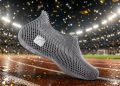


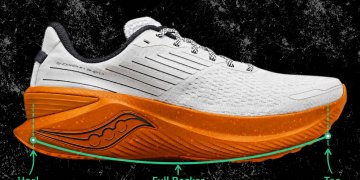
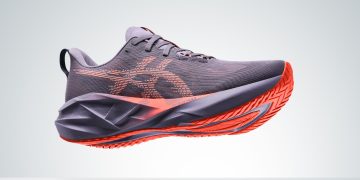


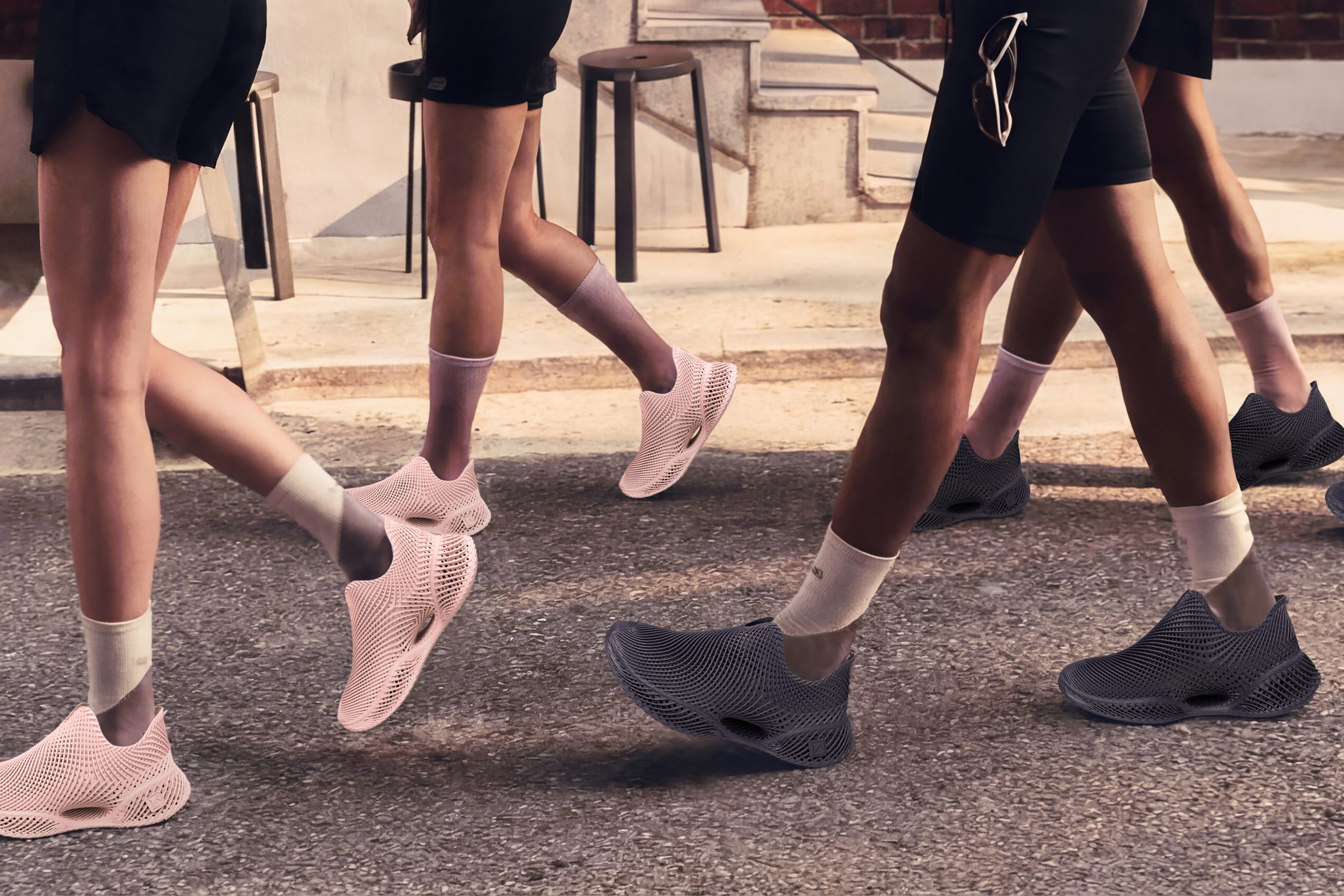
In 2026, Gen Z footwear is moving in several directions at the same time. Slim retro sneakers, Puma Speedcat-style silhouettes, Adidas Samba-inspired looks, gorpcore shoes, colorful trainers, hybrid footwear, and early interest in 3D printed shoes are all part of the same style map. The key point is this: Gen Z is not only buying shoes by brand loyalty. They are choosing shoes by identity, comfort, algorithm-driven aesthetics, sustainability signals, and how well the shoe works inside an outfit.
On the streets in 2026, using “loyalty” to judge how Gen Z thinks about footwear brands already feels outdated. This generation grew up online. Shoes are no longer just tools for walking. Footwear now works as social currency, a physical extension of algorithm-driven taste, and a quiet signal of sustainability values.
Today, we break down the real “engagement codes” inside Gen Z closets. One more topic needs attention. A new factor is spreading fast across social media and sneaker culture. That factor is 3D printed shoes.
Important note: this does not mean every Gen Z consumer is already wearing 3D printed shoes. A more accurate view is that 3D printed footwear is becoming a visible trend signal among tech-forward, sustainability-aware, and design-driven consumers.
Why These Shoe Trends Matter in 2026
Footwear trends in 2026 are not only about one viral shoe. They are about different style systems competing at the same time. Vogue’s 2026 sneaker trend coverage points to nostalgic sneakers, slim runners, skater-inspired shapes, and other silhouettes that move away from one single dominant sneaker formula. Source: Vogue
Teen Vogue also highlights spring 2026 sneaker directions such as skater-inspired silhouettes, air chambers, Adidas Superstars, colorful trainers, and other comfort-focused but style-heavy sneakers. Source: Teen Vogue
At the same time, 3D printed footwear is moving from concept design toward real product culture. Nike’s Air Max 1000, made with Zellerfeld technology, is described by Nike as a shoe that blends advanced 3D printed construction with integrated Air technology. Source: Nike
The Retro Paradox: From Adidas Samba to Puma Speedcat
Even with a strong interest in futuristic style, Gen Z still shows intense obsession with “Archive” designs. Their approach is not the same as Millennial nostalgia. Preference shifts toward silhouettes that feel refined, narrow, aerodynamic, and controlled.
- Samba’s successor: Adidas Samba still holds classic status. But trend-focused dressers are also moving toward more athletic and lower-profile shapes, such as Puma Speedcat, Adidas Taekwondo-style shoes, Nike Cortez, Adidas Gazelle, and slim retro runners.
- The slim-sole revolution: Ultra-thin soles and narrow shapes continue replacing the bulky dad-shoe look in many outfits. Vogue Arabia also points to Puma Speedcat and Adidas Taekwondo as streamlined, versatile “palette cleanser” shoes for the season. Source: Vogue Arabia
- Retro plus subculture: Gen Z styling often mixes slim sneakers with exaggerated socks, printed tights, baggy pants, sporty tops, or thrifted outerwear. This mix of “retro + subculture” sits near the center of the current footwear mood.
The important change is that retro shoes are no longer only about looking old-school. They are used as neutral tools inside more expressive outfits. A simple low-profile sneaker can support baggy trousers, cropped jackets, oversized hoodies, racing-style tops, or gender-fluid styling without fighting the full look.
Gorpcore: Bringing the Wilderness into the Office
In 2026, the idea that “performance equals fashion” has reached a new peak. Brands such as Salomon, Hoka, and On Running have moved far beyond hiking trails. High comfort levels plus complex structural aesthetics helped these shoes enter urban CBD environments without much resistance.
For Gen Z, technical footwear does not need to stay in the mountains. A Salomon Quicklace-style system, a Hoka maximalist midsole, or an On Running performance silhouette can work as both practical gear and fashion signal.
- Comfort is part of the look: Gen Z often treats comfort as a style value, not as the opposite of style.
- Outdoor identity works in the city: Trail-inspired shoes suggest movement, flexibility, and escape from fixed office identity.
- Complex design photographs well: Technical soles, layered uppers, speed laces, and sculptural midsoles create strong visual texture for social media.
Gorpcore footwear also fits the broader shift toward clothing that feels useful. A shoe can be worn to class, office, travel, hiking trail, coffee shop, and night walk. This multi-context identity is exactly why performance sneakers remain attractive.
3D Printed Shoes: A “Stupidity Tax” or a Welcome Element of the Future?
This section focuses on the key question: have 3D printed shoes already become a welcomed element among Gen Z?
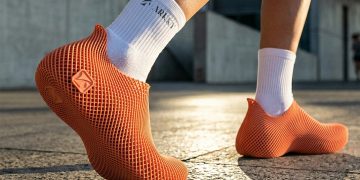
The answer should be careful. 3D printed shoes are not yet mainstream for everyone. But they are becoming one of the strongest visual trend markers in footwear. They carry three things Gen Z often responds to: customization, futuristic visual language, and sustainability potential.
Why Is Gen Z Interested in 3D Printing?
- The ultimate customization that rejects “shoe twinning”: Platforms such as Zellerfeld build footwear around made-to-order and digitally produced design. For a generation that values individuality, a shoe that feels less mass-produced can be more attractive than another limited collaboration. Zellerfeld’s own site presents printed shoes as a future-facing footwear platform, including Nike Air Max 1000-related releases. Source: Zellerfeld
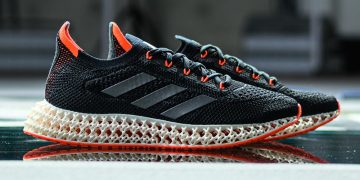
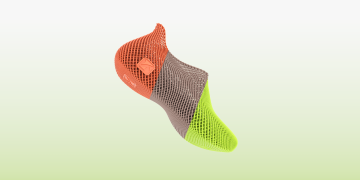
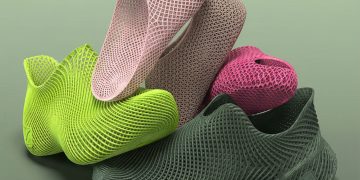
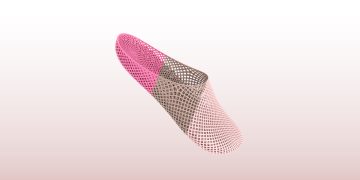
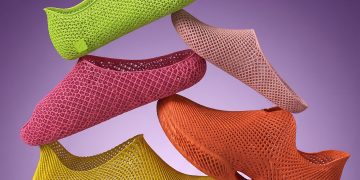
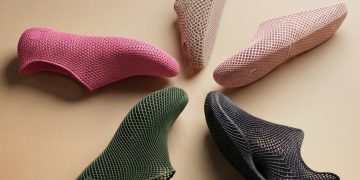
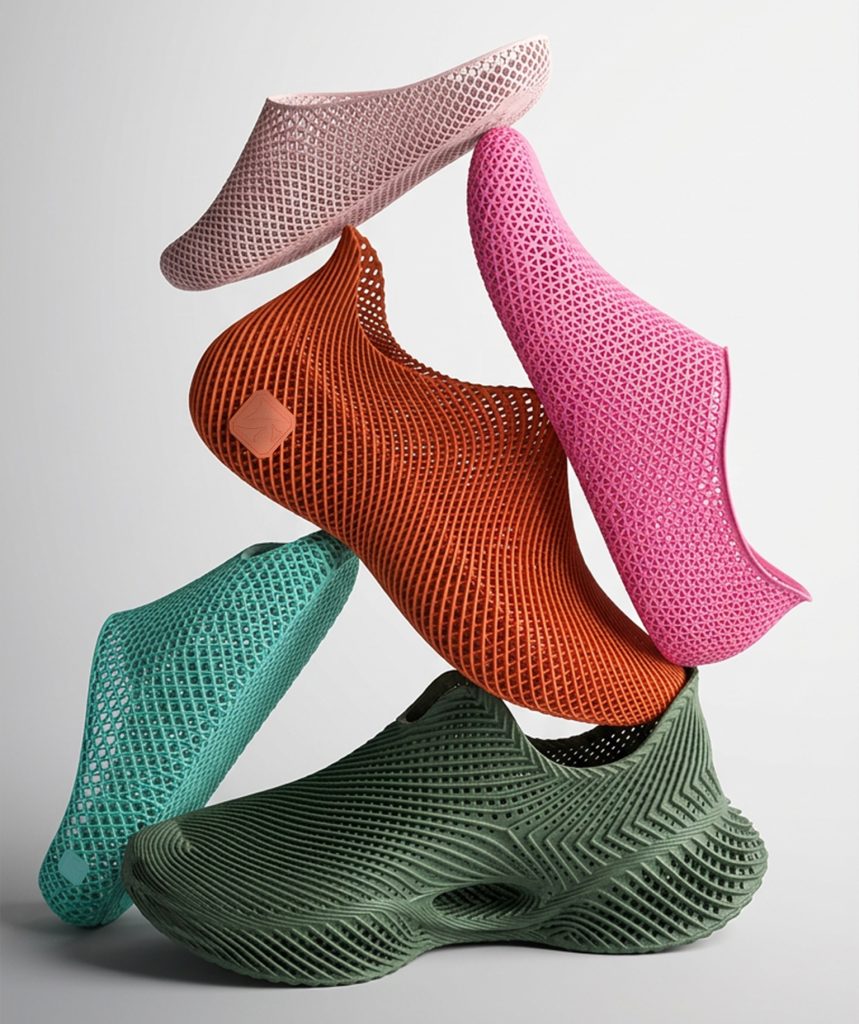
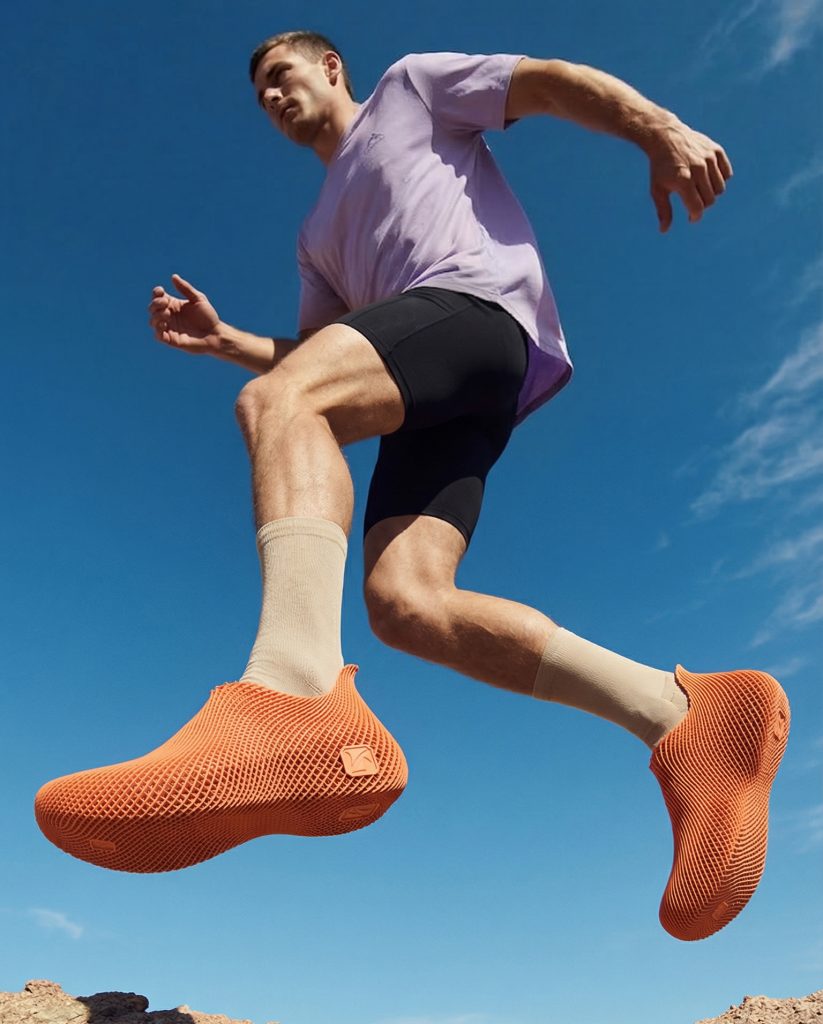
- Algorithm-driven visual language: 3D printed shoes can create lattice structures, sculptural surfaces, and alien-like geometry that traditional molding cannot easily produce. This visual language matches the high-impact aesthetics popular on TikTok, Instagram, and short-video platforms.
- Environmental justice: Traditional footwear often combines many bonded materials, which makes recycling difficult. Some 3D printed shoes use single-material TPU-style construction, which can make recycling easier. Zellerfeld describes its zellerFOAM material as TPU-based, recyclable, breathable, washable, and odor resistant. Source: Zellerfeld
Other fashion brands are also experimenting with this direction. Rains, for example, describes its Zellerfeld collaboration as 3D printed to order using advanced TPU material that is washable, quick-drying, odor-resistant, and fully recyclable. Source: Rains
From “Brand Worship” to “Algorithmic Aesthetics”
In my view, the rise of 3D printed shoes among Gen Z signals a shift toward what can be called the “Algorithmic Aesthetics” era in footwear consumption.
Traditional fashion used to follow a top-down model. Designers defined taste. Consumers followed. With 3D printed footwear, the process looks different. Data, gait patterns, digital modeling, and individual biomechanics can now take part in the creation itself.
When Gen Z sees products built with AI-optimized support structures or complex lattice midsoles, the purchase is no longer only about a logo. What they are buying feels closer to wearable code. This type of “Phygital” experience, where digital logic meets physical form, sits at the center of the appeal behind 3D printed shoes.
This is why 3D printed shoes should not be judged only by the question, “Are they better than normal sneakers today?” The bigger question is: do they express where footwear is going?
The Main Shoe Types Gen Z Is Wearing in 2026
| Trend Type | Examples | Why Gen Z Likes It |
| Slim Retro Sneakers | Adidas Samba, Puma Speedcat, Nike Cortez, Adidas Taekwondo-style shoes | Clean silhouette, easy styling, retro identity, works with baggy or tailored outfits |
| Gorpcore Shoes | Salomon, Hoka, On Running, trail-inspired sneakers | Comfort, utility, outdoor identity, technical visual language |
| Hybrid Footwear | Mary-Jane trainers, sneaker-loafer hybrids, ballet sneaker shapes | Blends softness, irony, nostalgia, and gender-fluid styling |
| Colorful Sneakers | Red sneakers, colorful Gazelle-style shoes, bright retro trainers | Easy way to make simple outfits feel intentional and social-media ready |
| 3D Printed Shoes | Nike x Zellerfeld Air Max 1000, Zellerfeld projects, printed TPU footwear | Customization, futuristic shape, sustainability signal, wearable technology |
Why Gen Z Is Less Loyal to One Shoe Brand
Gen Z does not usually build one fixed footwear identity around one brand. Instead, they build “micro-identities” through different shoes.
- One day: Adidas Samba or Puma Speedcat for slim retro styling.
- Another day: Salomon or Hoka for gorpcore utility.
- Another day: colorful sneakers for social outfits.
- Another day: 3D printed shoes for future-facing design identity.
This creates a closet based less on loyalty and more on mood. Shoes become modular identity tools. The outfit decides the shoe, the algorithm influences the outfit, and the social feed validates the final image.
Are 3D Printed Shoes Ready for Everyday Wear?
3D printed shoes are moving closer to everyday use, but they still sit between fashion experiment and mainstream product.
The Nike Air Max 1000 shows that major brands are willing to explore 3D printed construction seriously. 3D Printing Industry also reported on Nike and Zellerfeld pushing two-color 3D printed footwear forward with the Air Max 1000. Source: 3D Printing Industry
Still, several questions remain:
- Comfort: Can printed lattice comfort match the best foam sneakers for long daily wear?
- Price: Can 3D printed shoes reach prices that feel normal for younger consumers?
- Availability: Can production scale without losing customization value?
- Durability: Can printed structures handle months of daily wear?
- Style adoption: Will these shoes stay niche, or become normal streetwear?
The category is still developing. But as a visual and cultural signal, 3D printed footwear already feels important.
Conclusion: 2026 Keeps Moving Forward
Footwear choices among Gen Z show a clear contradiction. Nostalgia gives them a sense of belonging. Gorpcore gives them utility and movement. Hybrid shoes give them irony and playfulness. Lattice structures made by 3D printing give them a sense of the future.
3D printed shoes should not be seen only as a temporary trend element. The moment looks closer to an early-stage industry shift. Costs may continue to fall. Production methods may become faster. Customization may become more normal. Technology will move from lab environments into everyday streets.
What spreads will not only be new manufacturing methods. A different lifestyle will arrive with it: one where shoes are not only bought, but generated, printed, adjusted, and worn as personal data made physical.
In 2026, Gen Z is not wearing one shoe trend. They are wearing many signals at once: retro memory, outdoor escape, digital aesthetics, comfort logic, and future identity.
FAQ: Gen Z Shoe Trends in 2026
What shoes is Gen Z wearing in 2026?
Gen Z footwear trends in 2026 include slim retro sneakers, Adidas Samba-inspired shoes, Puma Speedcat-style silhouettes, gorpcore shoes from outdoor-performance brands, colorful trainers, hybrid footwear, and early interest in 3D printed shoes.
Are Adidas Sambas still popular in 2026?
Yes, Adidas Sambas are still recognizable and wearable in 2026. However, the trend has expanded beyond Samba itself. Many Gen Z dressers are also looking at Puma Speedcat, Nike Cortez, Adidas Gazelle, Adidas Taekwondo-style shoes, and other slim retro sneakers.
Why does Gen Z like Puma Speedcat-style shoes?
Puma Speedcat-style shoes feel slim, sporty, and slightly nostalgic. They work well with wide pants, racing-inspired tops, vintage jackets, and minimalist outfits. Their low-profile shape also feels fresh after years of bulky sneakers.
Why does Gen Z like gorpcore shoes?
Gorpcore shoes combine comfort, utility, and outdoor identity. For Gen Z, technical footwear can work both as practical gear and as a fashion signal. Brands such as Salomon, Hoka, and On Running fit this mood well.
Are 3D printed shoes becoming popular?
3D printed shoes are not fully mainstream yet, but they are becoming more visible. Nike and Zellerfeld’s Air Max 1000 shows that printed footwear is moving from concept design toward real sneaker culture. For Gen Z, the appeal comes from futuristic design, customization, and sustainability potential.
Are 3D printed shoes only a fashion gimmick?
Not necessarily. Some 3D printed shoes are still experimental, but the technology can offer real design advantages, such as lattice cushioning, made-to-order production, reduced material waste, and personalized fit. The category still needs more time to prove comfort, durability, and mass-market value.
What is the biggest Gen Z footwear trend in 2026?
The biggest trend is not one single shoe. The bigger shift is from brand worship to style-code selection. Gen Z chooses shoes based on aesthetics, comfort, social media visibility, subculture meaning, and future-facing design.
Sources and Further Reading
- 11 Sneaker Trends to Have on Your Radar for Spring 2026 — Vogue
- The Shoe Trends That Will Shape 2026 — Vogue Arabia
- 15 Sneaker Trends to Kick Start Spring 2026 — Teen Vogue
- Nike Air Max 1000 Launch Details — Nike
- Zellerfeld 3D Printed Footwear Platform — Zellerfeld
- Zellerfeld Material Information — Zellerfeld
- Rains x Zellerfeld 3D Printed Footwear — Rains
- Nike and Zellerfeld 3D Printed Air Max 1000 Coverage — 3D Printing Industry