







March 23, 2026 — The global footwear industry is entering another major manufacturing transition. After years of experimentation, 3D printing is moving beyond concept shoes and limited-edition launches into larger-scale commercial production.
Major brands including Adidas and Nike are now investing more heavily in additive manufacturing, not just as a design experiment, but as part of long-term production strategy. Industry attention has shifted from “can 3D printed shoes work?” to “can they scale efficiently?” Source: VoxelMatters
The change is becoming increasingly visible across performance running, lifestyle footwear, and even professional sports categories.
From Experimental Releases to Core Product Development
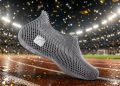
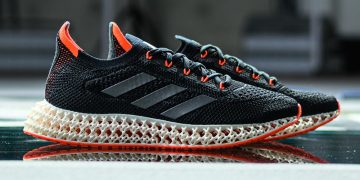
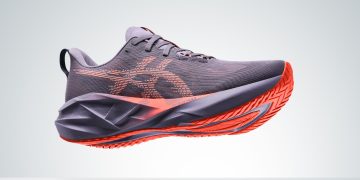
On March 3, Adidas officially introduced the new CLIMACOOL LACED series, a performance running model built around a fully 3D printed lattice structure. Source: Adidas Newsroom
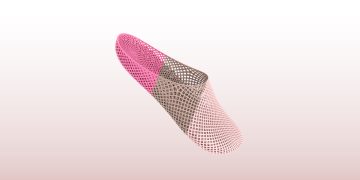
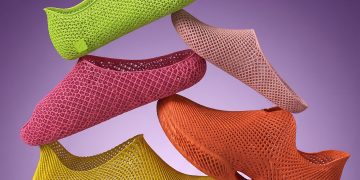
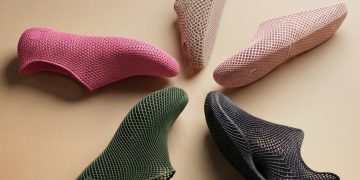
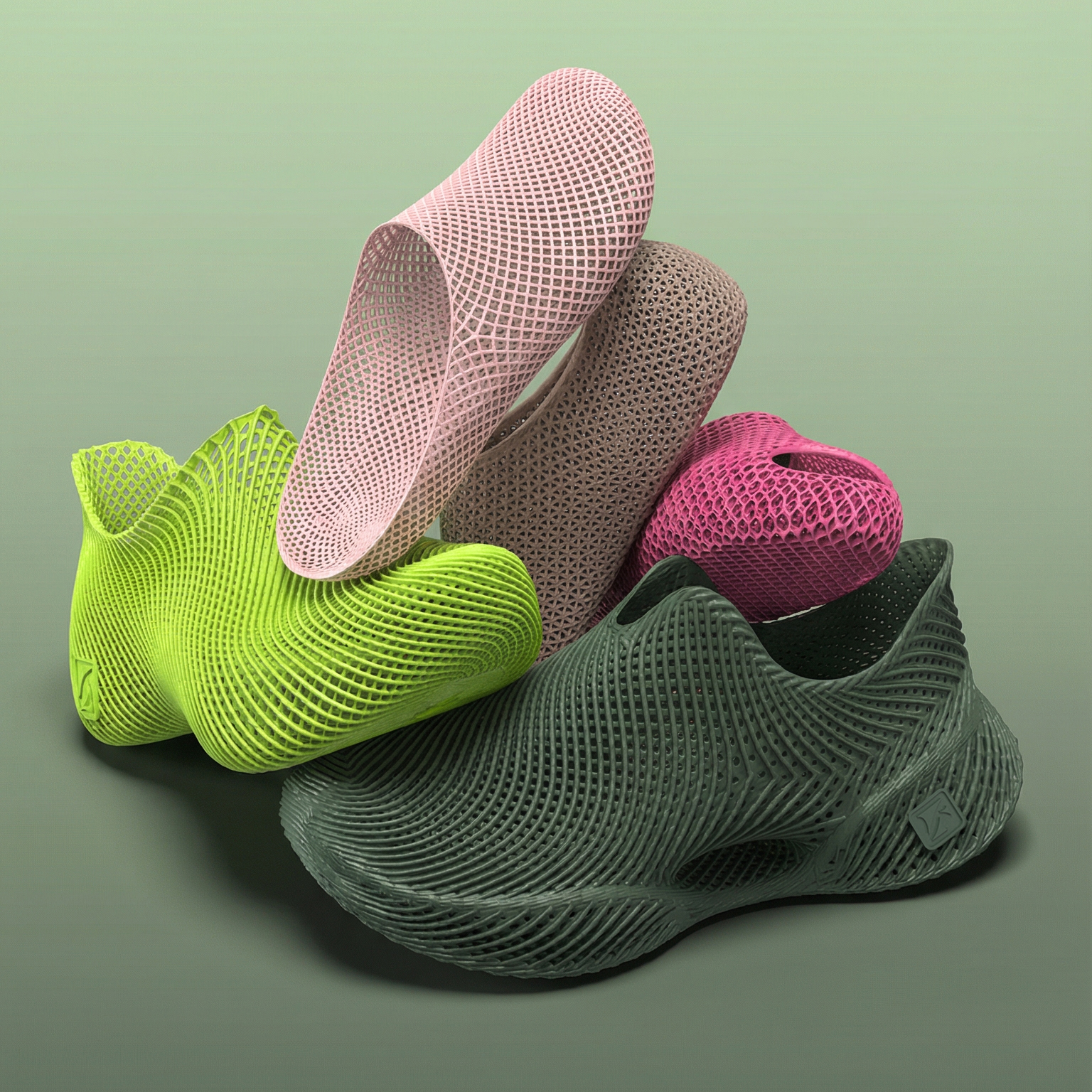
Unlike earlier 3D printed footwear projects that focused mainly on midsoles, the CLIMACOOL LACED moves much closer to a fully integrated printed structure. That shift matters because it signals growing confidence in additive manufacturing as a viable platform for mainstream footwear production.
Industry reports also suggest Adidas is testing early versions of 3D printed soccer cleats designed to improve lockdown precision and reduce pressure inconsistencies during high-speed movement. While those prototypes are still in development, they show how brands are beginning to explore sport-specific applications rather than treating 3D printing as purely a lifestyle trend.
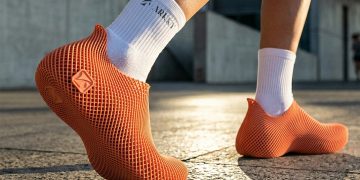
Meanwhile, Nike continues to expand its partnership with Zellerfeld. Their latest project, the Air Max 1000, reportedly integrates Nike’s signature Air cushioning unit into a fully 3D printed one-piece structure.
One of the biggest technical challenges in 3D printed footwear has been material compatibility — especially when combining flexible printed polymers with traditional cushioning systems. The Air Max 1000 appears to be an attempt to bridge those two worlds rather than replace Nike’s established performance identity entirely.
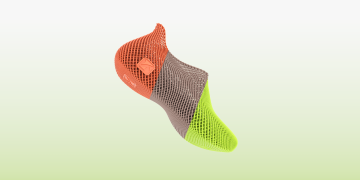
According to early reports, Nike is also exploring broader color customization possibilities for future releases. A multi-color version of the Air Max 1000 is expected later this year, which could expand design flexibility beyond the monochrome look common in many current 3D printed shoes.
Manufacturing Speed Is Becoming the Real Battleground
While product design receives most public attention, manufacturing speed may ultimately determine whether 3D printed footwear can scale globally.
At the recent China International Supply Chain Expo, TPM3D demonstrated a high-speed additive manufacturing system using upgraded SLS laser sintering technology. According to the company, a single pair of shoes can now be produced in under 25 minutes.
That production speed is important because it pushes the industry closer to localized “scan-and-print” retail models. In theory, future customers could scan their feet in-store and receive customized footwear within the same day.
However, large-scale adoption still faces challenges. Production cost, printer maintenance, material durability consistency, and energy consumption remain major issues across the industry.
At the same time, Zellerfeld has partnered with Germany’s Fraunhofer IAPT research institute to improve print-path optimization using AI-assisted manufacturing systems.
The partnership aims to reduce material waste, improve TPU performance consistency, and lower production costs over time. These improvements may sound technical, but they directly affect whether 3D printed footwear can realistically compete with traditional injection molding at scale.
Market Growth and Consumer Demand Continue Expanding
Recent market estimates place the global 3D printed footwear market at approximately $2.61 billion in 2026. Source: Vocal Media
That growth is being driven by several overlapping trends:
- Rising consumer interest in customization
- Demand for lighter and more breathable footwear structures
- Growing sustainability concerns
- Improved digital manufacturing efficiency
The market is also becoming more diverse.
Brands like Havaianas have started exploring customized 3D printed flip-flops, while designers including Sean Wotherspoon continue experimenting with additive manufacturing aesthetics in lifestyle footwear.
Unlike earlier hype cycles focused mainly on futuristic visuals, current consumer interest appears more connected to practical benefits such as fit adjustment, pressure distribution, and reduced material waste.
Why 3D Printed Footwear Is Attracting Attention
One reason additive manufacturing continues gaining momentum is its ability to solve problems that traditional footwear manufacturing struggles with.
3D printed structures allow brands to create:
- Customized pressure zones
- Asymmetrical support layouts
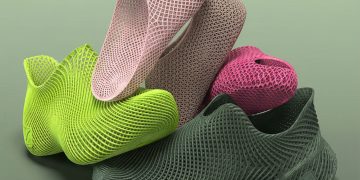
- Complex lattice cushioning systems
- Single-material constructions with recycling potential
These advantages are especially relevant in areas like:
- Flat foot support
- Running gait adjustment
- Medical or orthopedic footwear
- Performance recovery products
At the same time, sustainability remains a major selling point. Because additive manufacturing does not require traditional molds or large cutting processes, material waste can be significantly reduced during production.
That said, the industry is still far from achieving a fully closed-loop recycling system at scale. Many current 3D printed shoes still rely on proprietary materials and specialized recycling infrastructure that remains limited in most regions.
About 3D Printed Footwear Technology
3D printed footwear uses additive manufacturing technology to build shoes layer by layer from digital models.
Instead of relying on traditional molds, the process allows designers to move directly from digital design to physical production. This approach makes it easier to create highly complex structures that would be difficult or impossible to manufacture using conventional methods.
For years, most 3D printed footwear projects remained limited to experimental midsoles or small-batch concept products. In 2026, the industry appears to be moving into a more commercially practical phase — one focused less on novelty and more on scalable manufacturing, customization, and performance-driven applications.