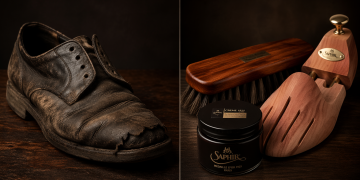


Under a microscope, every pair of high-end leather shoes is a complex ecosystem. Leather, a biological tissue treated through tanning, may have lost its life, but its microscopic structure—a network of interwoven collagen fibers—remains highly active and fragile.
When we discuss shoe maintenance, most people focus on surface luster, but the true crisis often lurks deep within, invisible to the naked eye: moisture. According to leather science research from the University of Cincinnati, improper moisture control is the primary cause of structural failure in high-end leather. This article will analyze from the intersection of biochemistry and physics why aromatic cedar has stood out through centuries of competition, widely recognized as the “Scientific King” of shoe preservation.
The Microscopic Truth of Leather Rot: From Moisture to Structural Collapse
To understand the value of cedar wood, we must first see how the “enemy” works.
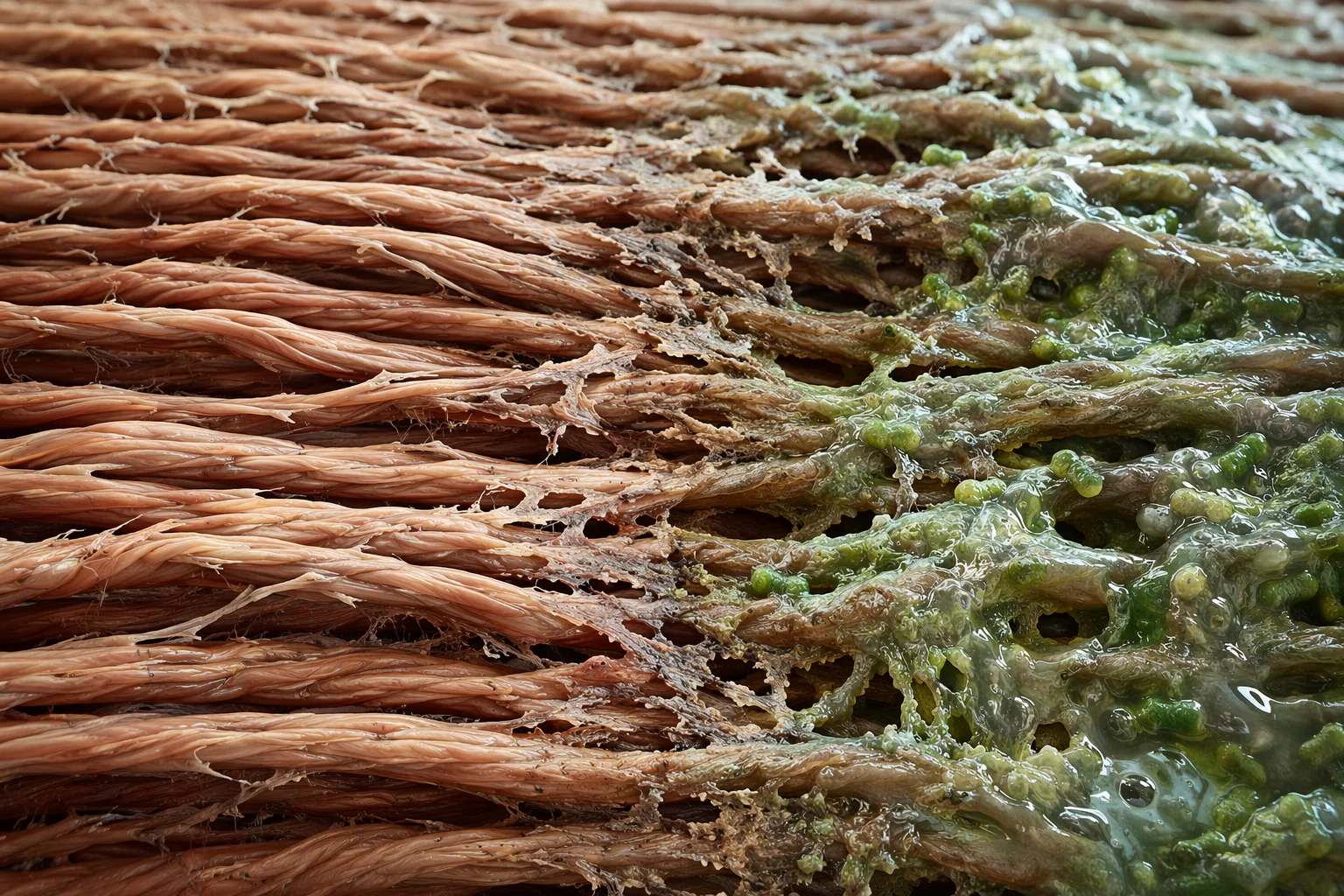
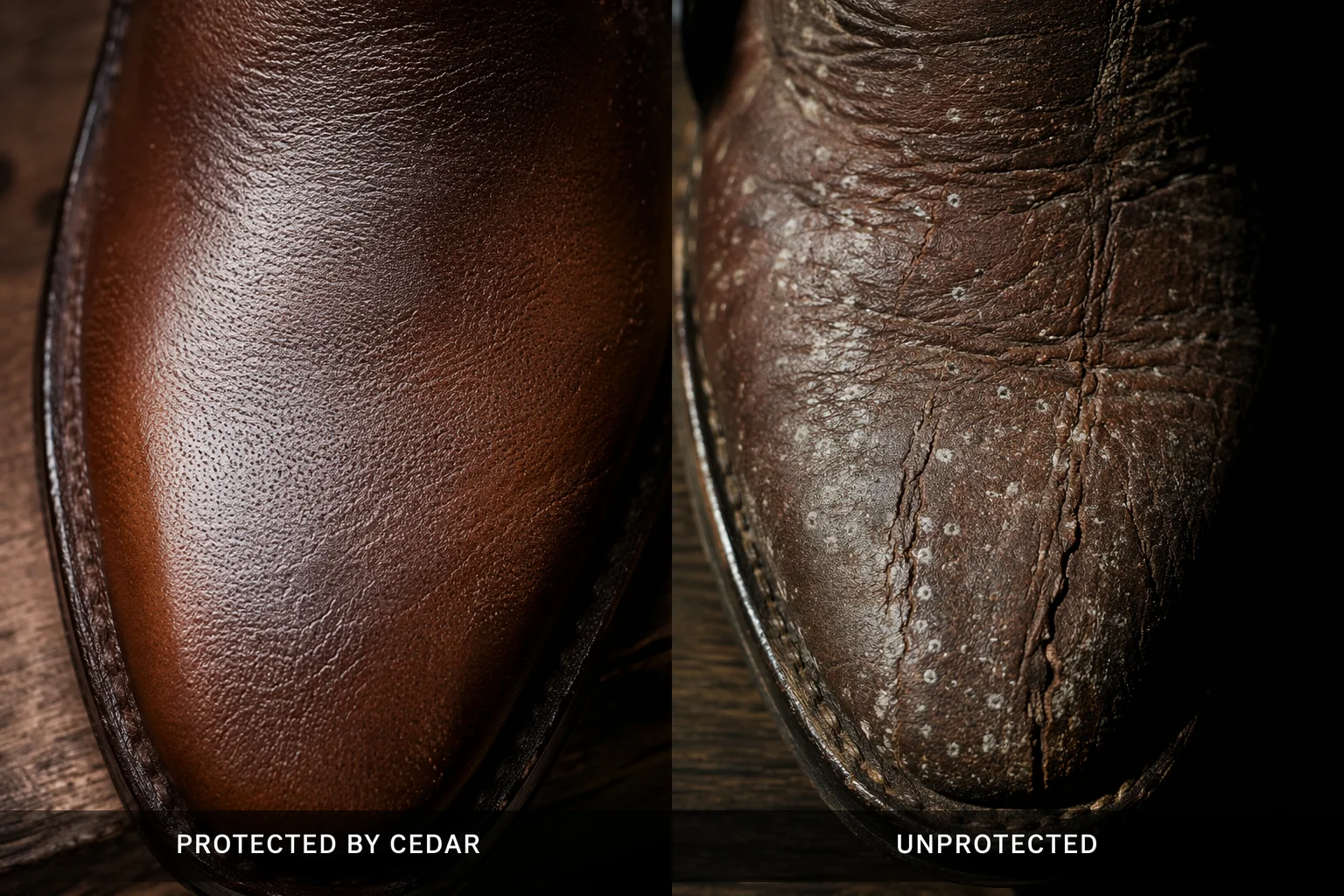
Leather Rot is not an instantaneous event but a chronic process known as “Hydrolysis.” When your feet generate moisture during walking and this moisture is not promptly removed, water enters the gaps between collagen fibers. Under specific temperatures (such as residual body heat), residual proteins and oils become the perfect culture medium for bacteria and fungi.
An anonymous leather chemical analyst noted in an interview: “Moisture is not just food for fungi; it’s a catalyst for chemical reactions. In a humid environment, residual tanning chemicals can be activated, producing trace amounts of acidic substances that erode fiber links. We call this ‘endogenous decay’.”
By the time you notice the lining becoming sticky, developing odors, or showing mold spots, the physical strength of the leather has already decreased by more than 40%. This damage is irreversible.
Physical Absorption: The “Capillary Pump” Effect of Cedar Wood
Why can’t we simply use plastic shoe trees with desiccants? The answer lies in the physics of Capillary Action.
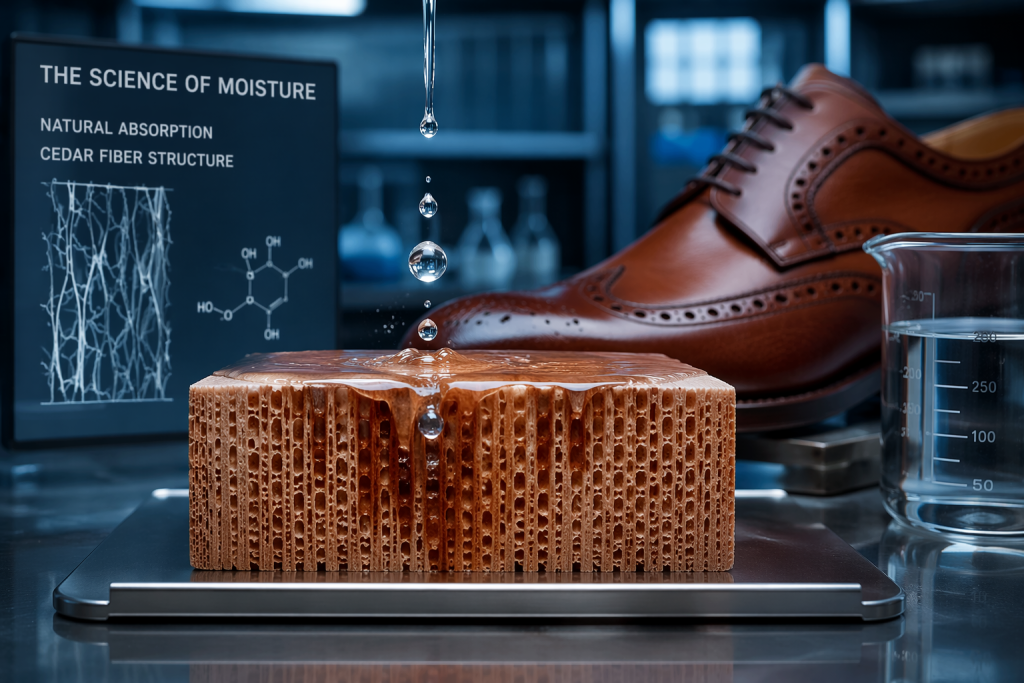
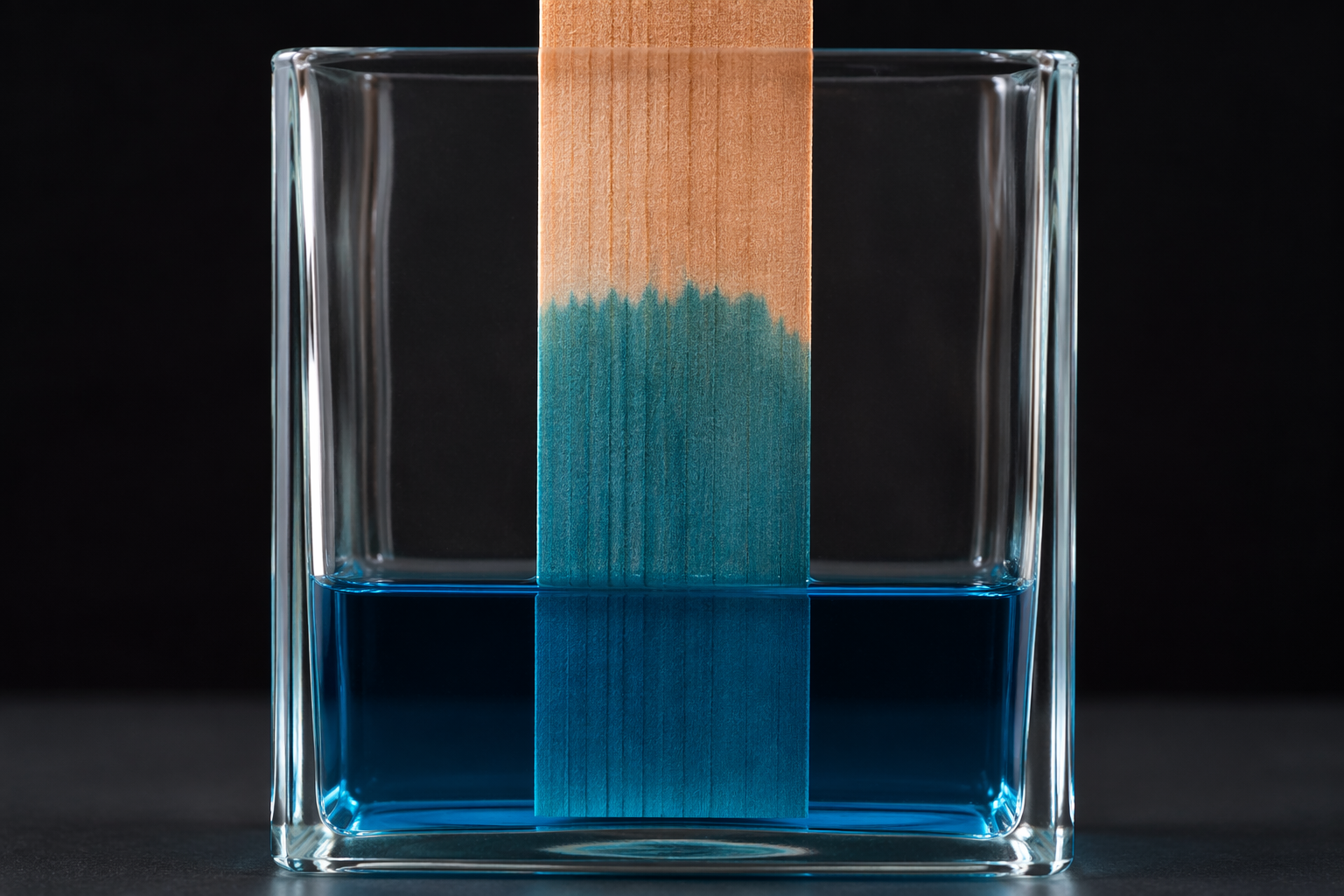
One of the core aromatic cedar benefits is its unique cellular structure. The wood of Red Cedar (Juniperus virginiana) consists of countless slender tracheids, which transported nutrients when the tree was alive and become natural suction pumps afterward.
In a simple physical experiment, when a strip of untreated cedar wood is partially submerged in colored liquid, the liquid rapidly climbs due to the polar attraction of the tracheids, with efficiency far higher than that of oak or pine. This means that when you insert a cedar wood shoe tree into a damp shoe, it isn’t just occupying space; it is actively “pulling” moisture from deep within the leather and guiding it to the surface to evaporate. This cyclic absorption capability is impossible to simulate with non-natural materials.
Chemical Defense: The Natural Antibacterial Warfare of Cedar Oil
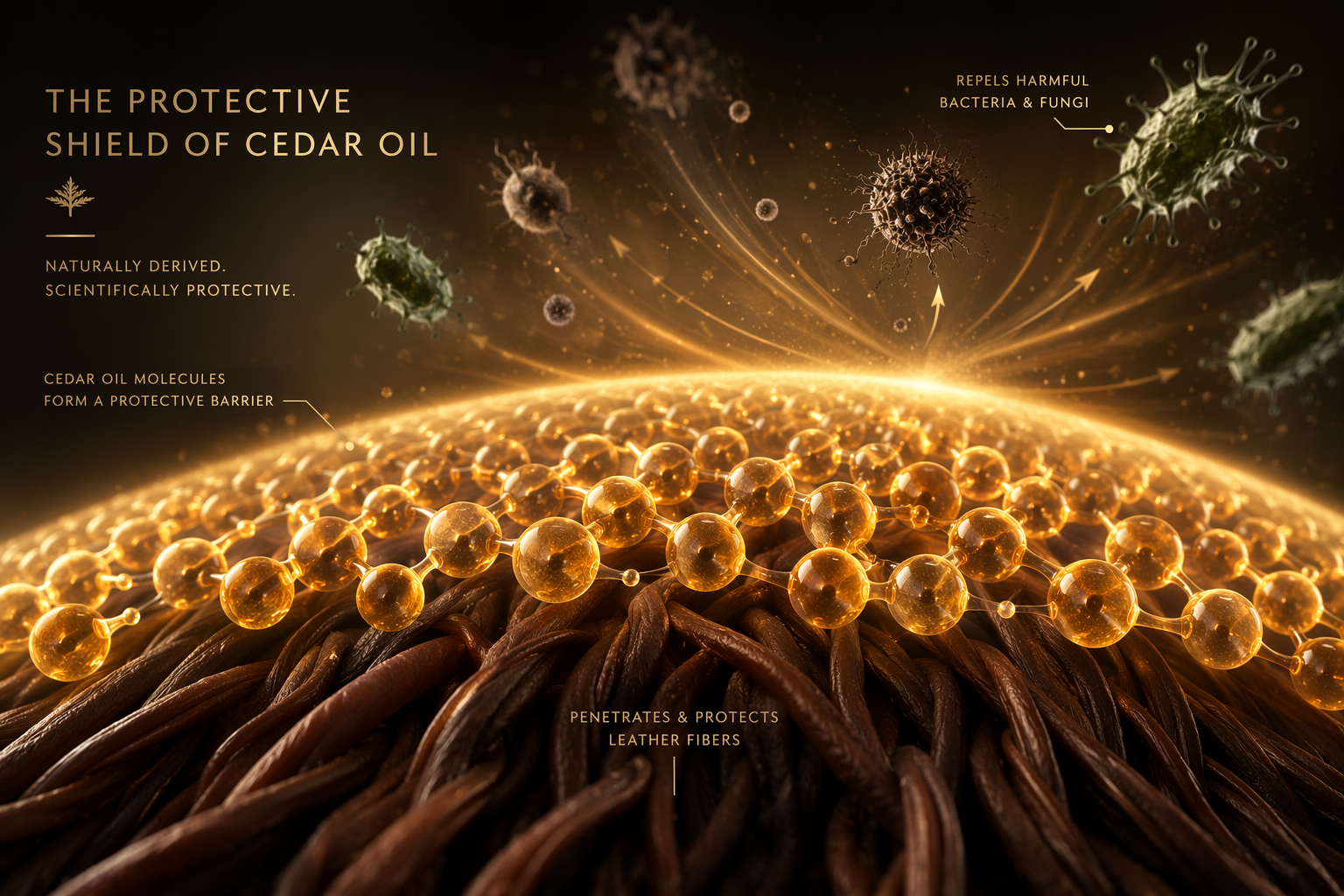
If absorption is physical defense, then the natural essential oils released by cedar wood are a chemical offense.
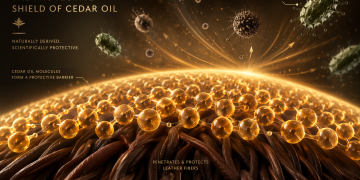
Cedar wood contains high concentrations of Cedrol and Cedrene. These volatile compounds not only give the wood its unique aroma but also serve as natural preservatives for leather. In biological experiments, these components exhibit strong antifungal activity, directly interfering with fungal cell wall synthesis to prevent leather rot.
A high-end client with 20 years of experience in bespoke footwear shared: “I once stored a pair of precious alligator skin shoes in a dark, damp basement storage room for three years. Because they were fitted with high-quality cedar shoe trees, when I reopened the box, the leather remained incredibly resilient with absolutely no musty smell, despite some cedar oil crystallization on the surface of the wood.”
This internal-to-external chemical protection ensures a sterile internal environment for the shoes, eliminating odors at the source.
Comparative Analysis: Cedar Wood vs. Alternatives
To provide readers with fact-based shopping recommendations, we compared the mainstream shoe tree solutions on the market:
| Solution | Absorption Efficiency (24h) | Antibacterial/Odor Capacity | Impact on Leather Fibers | Total Cost (5 Years) |
|---|---|---|---|---|
| Aromatic Cedar | ★★★★★ | Strong (Natural volatile oils) | Maintains fiber tension & density | Optimal (Extremely long lifespan) |
| Plastic/Foam | ☆☆☆☆☆ | Zero (Actually promotes bacteria) | Only maintains general outline | Low, but devalues the shoes |
| Beech/Lotus Wood | ★★★☆☆ | Weak (Absorption only, no antibacterial) | Acceptable effect | Medium |
Professional Advice: If you own vegetable-tanned or high-end calfskin footwear, aromatic cedar benefits are the only scientific choice for protecting these “breathable” leathers.
Scientific Maintenance FAQ
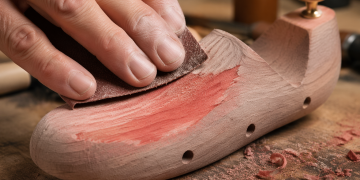
Q: What is the white powder or crystal on the surface of my cedar shoe tree? A: Those are highly precious cedar oil crystals. It proves the wood is active. Simply wipe them with a dry cloth or lightly sand the surface; they are not only harmless but a sign of high-efficiency protection.
Q: Why must cedar shoe trees be “unfinished”? A: Varnish or paint seals all the tracheids and pores of the wood, completely negating capillary absorption and essential oil evaporation. Only raw cedar wood shoe tree can provide scientific efficacy.
Q: How often should I sand the shoe trees? A: To maintain the best moisture-absorbing and aromatic effects of aromatic cedar, it is recommended to lightly sand the surface with fine sandpaper every 6-12 months.
Conclusion
From a scientific perspective, a cedar shoe tree is no longer a luxury accessory but a precision, automated life-support system for leather. Through physical capillary absorption and chemical antibacterial protection, it successfully builds a constant, dry, and sterile micro-environment for high-end leather within harsh wearing conditions. Protecting a famous pair of shoes begins with understanding the science of moisture.