















In the world of premium footwear, cedar shoe trees are often marketed as a lifetime investment. However, many enthusiasts notice that after a few years, the once-potent forest aroma begins to fade. The wood may look dull, and in some cases, fine white crystals or dust may appear on the surface. It is a common misconception that the wood has “expired.”
The reality is that Aromatic Red Cedar (Juniperus virginiana) is incredibly resilient. According to data from The Wood Database, this specific species contains highly stable natural oils that are the core of its rot-resistant, antimicrobial, and moisture-absorbing capabilities. This guide aims to shift your perspective from viewing shoe trees as disposables to seeing them as living tools that require occasional “resets.”
A veteran cobbler based in Northampton, with over 30 years of experience in bespoke shoemaking (who preferred to remain anonymous), once remarked: “Most people treat their shoe trees like hangers. They don’t realize that cedarwood ‘breathes.’ Once the pores are clogged with skin cells, sweat salts, and dust, it becomes a dead block of wood. A tiny bit of intervention brings it back for another thirty years.”
The Science of Scent and Moisture: Why Refreshing Matters
The effectiveness of cedar is not just a marketing claim; it is rooted in organic chemistry. Cedarwood contains compounds such as Cedrol and Thujopsene. These volatile organic compounds provide the characteristic scent and act as natural sanitizers.
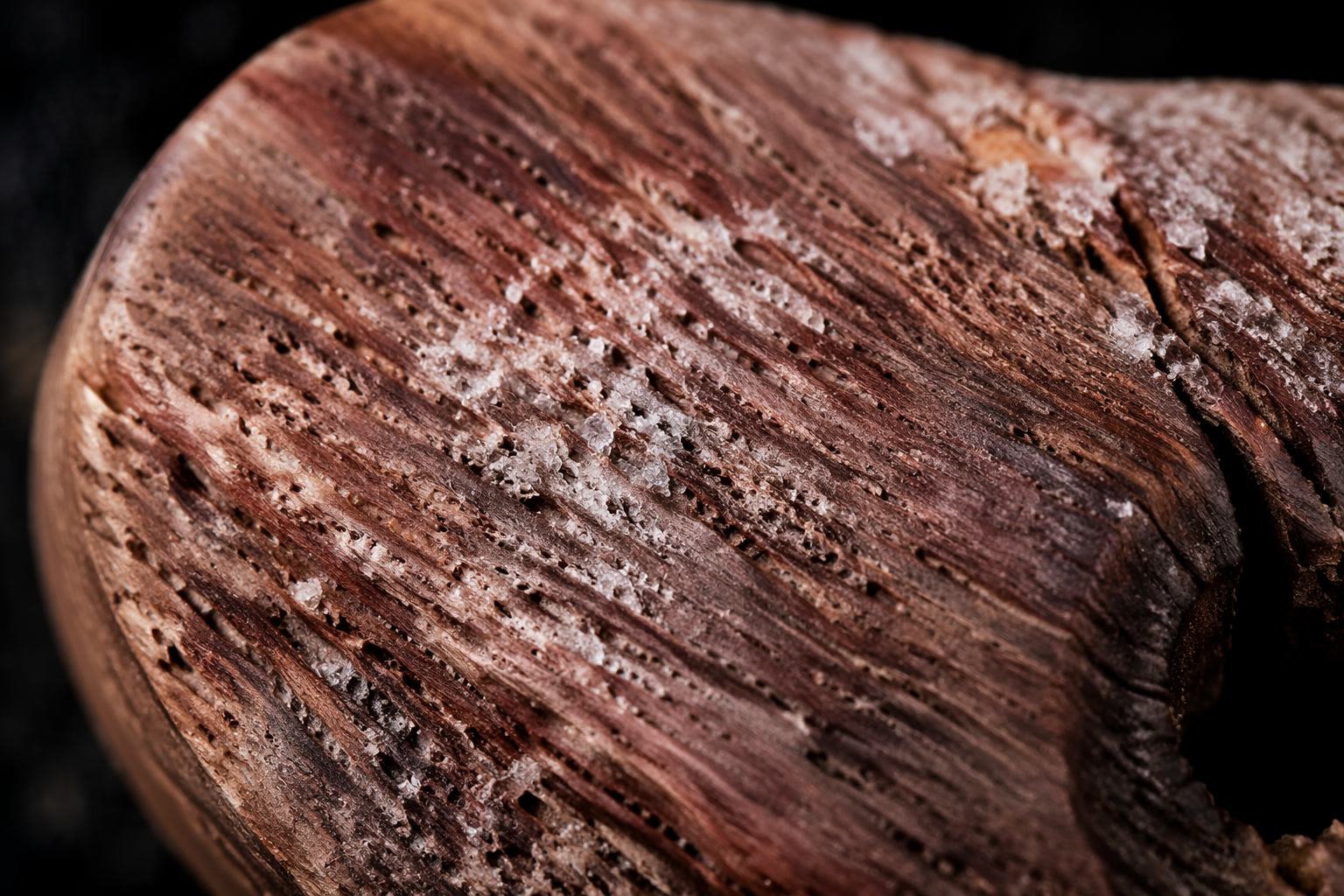
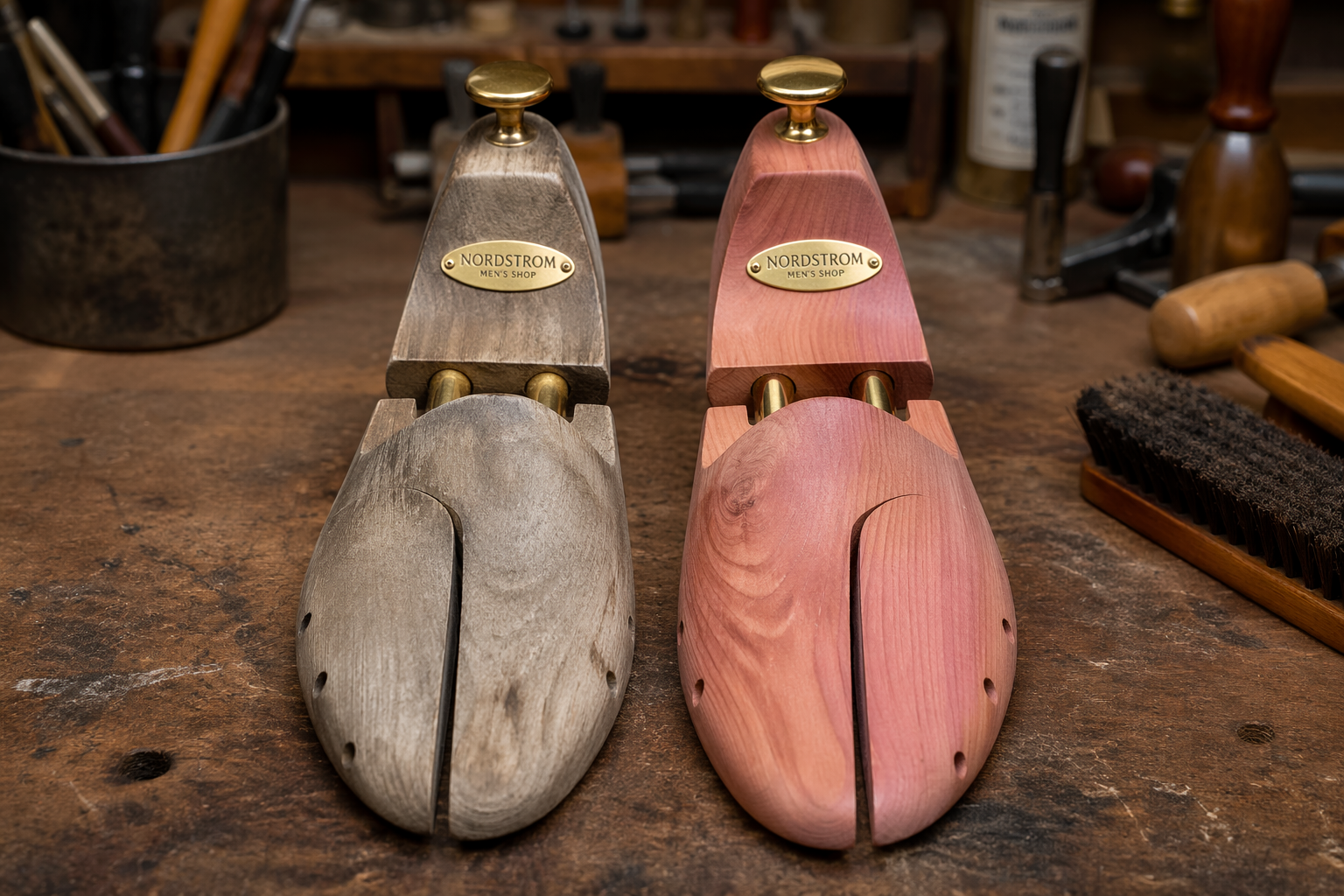
Over time, as the shoe tree pulls moisture from your leather shoes, the evaporation process leaves behind mineral deposits and residues from leather tanning agents. This creates a microscopic film that seals the wood’s pores. When this happens, the cedar shoe tree care becomes essential. If the pores are closed, the wood cannot effectively wick moisture, which is the primary reason for using shoe trees in the first place.
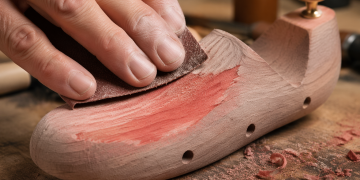
By physically removing this oxidized outer layer, we expose the oil-rich “fresh” wood underneath. This is the only reliable way to maintain cedar scent and restore the wood’s active functionality.
Step-by-Step Tutorial: Refreshing Your Cedar Shoe Trees
Refreshing your trees is a simple yet rewarding ritual. You will need:
- Fine-grit sandpaper (120-grit and 240-grit are ideal).
- A soft, dry microfiber cloth.
- A small amount of diluted isopropyl alcohol (only for stubborn stains).
Step 1: Preliminary Surface Cleaning
Start by wiping the entire surface with a slightly damp cloth. You might notice white, fuzzy substances in the crevices. Don’t panic—this is usually not mold, but concentrated cedar oil crystals. An anonymous user in a high-end shoe forum shared: “I almost threw mine away thinking they were molding, but after a quick wipe and sand, the smell was better than when they were new.” These crystals are a sign of high-quality, oil-rich wood.
Step 2: Precision Sanding
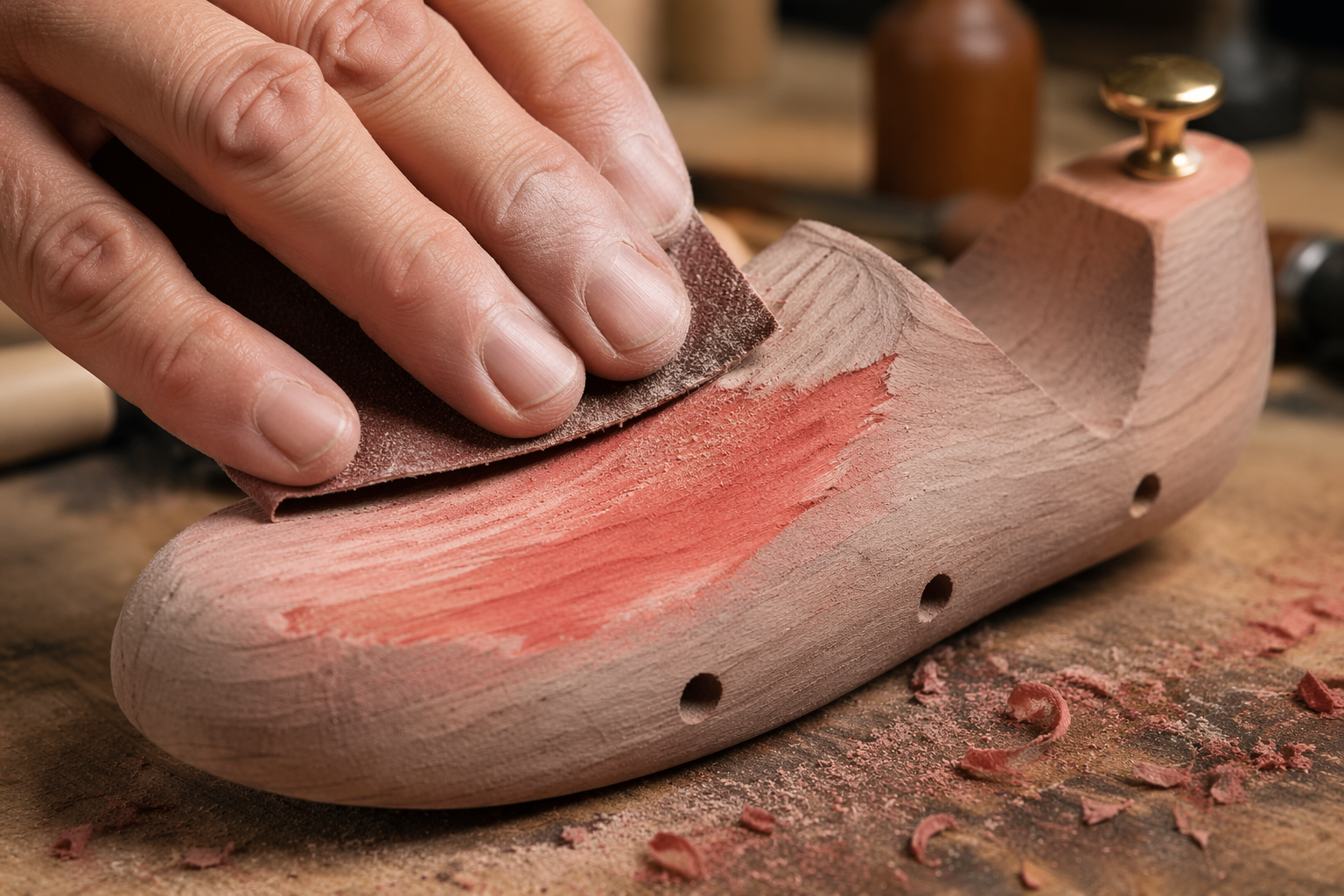
This is the core of the restoration. Use the 120-grit sandpaper first. Sand gently in the direction of the wood grain. You will immediately see the wood change from a yellowish-tan to a vibrant pinkish-red. The aroma will fill the room almost instantly. Focus on the toe and heel areas, as these absorb the most moisture.
Step 3: Fine Polishing
Once the fresh wood is exposed, switch to the 240-grit sandpaper for a smooth finish. This ensures that the wood won’t snag your expensive silk socks or damage the delicate lining of your shoes.
Material Comparison: Why Cedar Remains King
When evaluating the long-term maintenance of shoe care tools, material choice dictates the effort required.
| Feature | Aromatic Red Cedar | Plastic Trees | Hardwoods (Beech/Lime) |
|---|---|---|---|
| Moisture Absorption | Exceptional; self-refreshing | Zero | Moderate; requires air-drying |
| Odor Control | Natural chemical neutralization | Airflow only | Weak |
| Maintenance Cost | Minimal (sandpaper only) | Requires periodic chemical cleaning | High risk of cracking |
| Lifespan | 30+ Years | 3-5 Years (becomes brittle) | 10-15 Years |
As seen in the comparison, while plastic is cheap, it offers no functional maintenance value. Hardwoods like Beech are sturdy but lack the “chemical reset” capability that makes cedar unique.
Shopping Recommendations: Choosing Quality Replacements
If your current trees have structural damage—such as a snapped spring or a split heel—it may be time to invest in a high-quality pair.
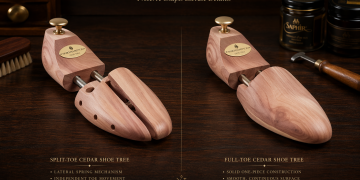
- Full-Heel Construction: Look for models like those from 70max that offer a substantial heel block. This ensures even pressure distribution and longevity after multiple sandings.
- Hardware Quality: Ensure the springs are stainless steel or rust-resistant alloy.
- Wood Source: Verify that the wood is sourced from genuine North American Juniperus virginiana.
Frequently Asked Questions (FAQ)
Q: How often should I sand my shoe trees? A: Generally, once every 6 to 12 months is sufficient, or whenever you notice a decline in moisture absorption.
Q: Can I use cedar oil spray instead of sanding? A: It is not recommended. Oils can create a greasy film that further clogs the pores. Physical sanding is the only way to restore the wood’s natural wicking ability.
Q: Are the white crystals dangerous? A: No, they are harmless crystallized essential oils. They can simply be wiped or sanded away.
Conclusion
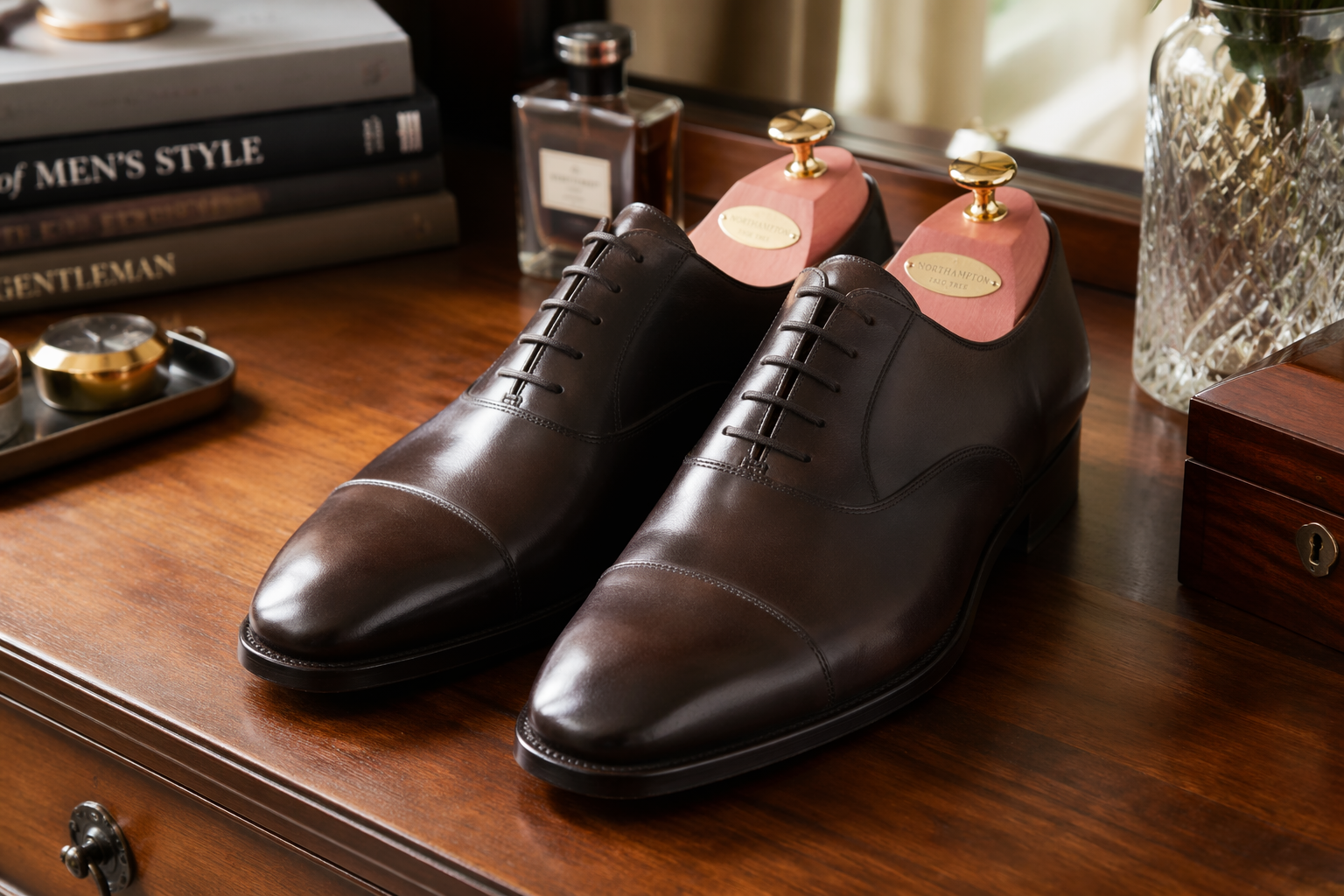
By practicing regular cedar shoe tree care, you are not just maintaining a piece of wood; you are preserving a sustainable legacy of craftsmanship. As our anonymous cobbler noted: “A man who cares for his tools is a man who cares for his journey.” A few minutes of maintenance every year ensures your shoes remain dry, shaped, and smelling fresh for decades.