


In the traditional discourse of footwear care, the protagonists are often men’s oxfords or work boots. However, in contemporary fashion consumption, women’s investment in high-end footwear has reached unprecedented heights. A pair of Christian Louboutin red bottoms or a silk-satin Manolo Blahnik is not just the soul of an outfit, but a piece of precision craftsmanship worth hundreds or even thousands of dollars.
According to market reports from Grand View Research, the global luxury women’s footwear market continues to see steady growth, with female consumers deepening their philosophy of “buy better, wear longer.” Yet, many women face a common dilemma: why do expensive flats become loose and floppy after just a few wears? Why does the toe box of a pointed heel suffer irreversible collapse? The answer often lies in the lack of targeted physical support. This article will unveil the importance of women’s shoe trees and take you into the professional world of shoe care for women.
The Challenge of Structure: The “Vulnerability” of Heels and Flats
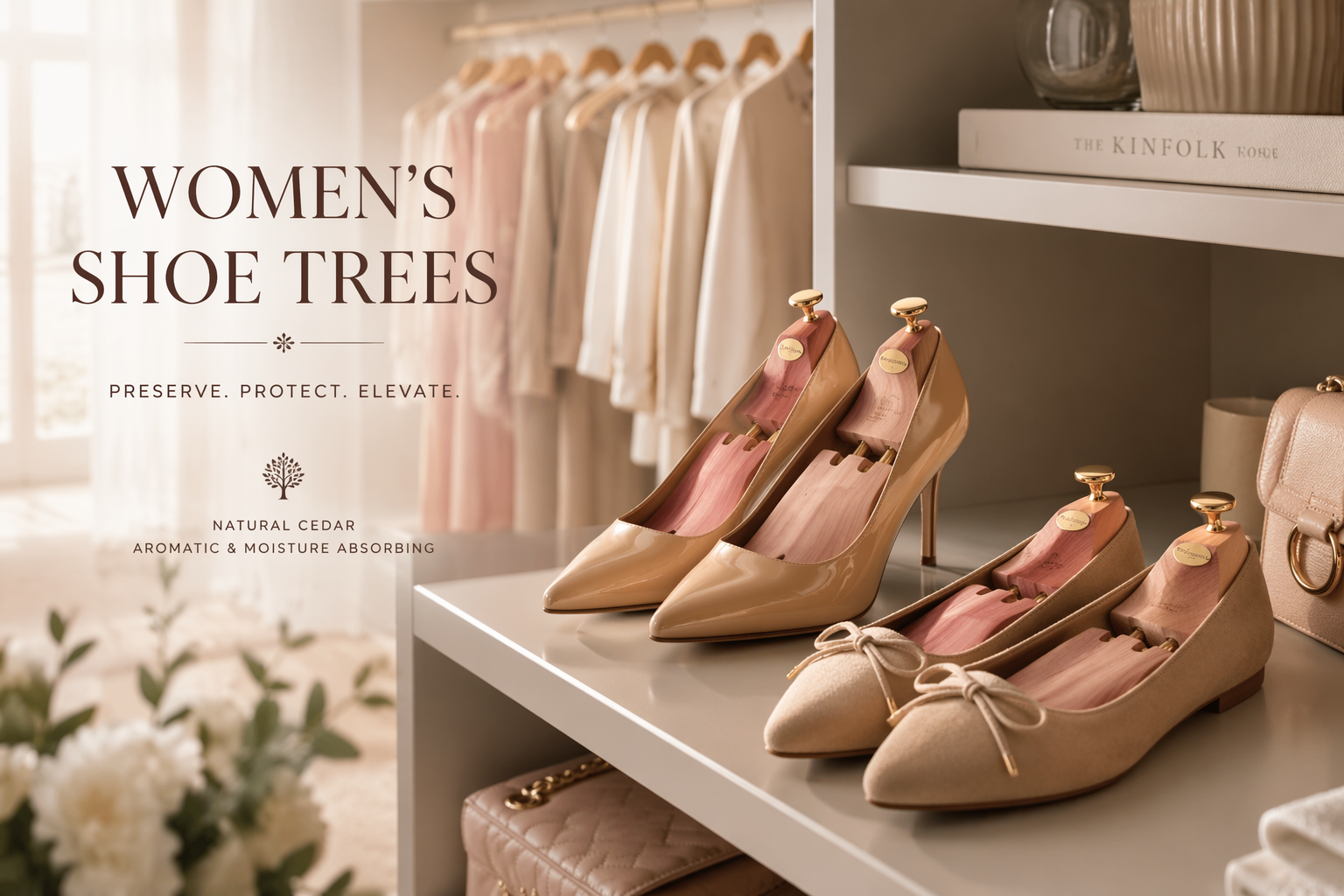
The design intent of women’s footwear is often the pursuit of ultimate aesthetic lines. This means that compared to men’s shoes, women’s lasts are typically narrower and slimmer, and the leathers are much thinner (such as expensive lambskin suede or microfiber).
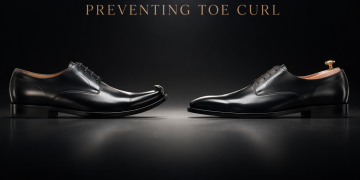
A veteran artisan specializing in luxury women’s shoe restoration in London’s Mayfair shared: “The most frequent repairs I handle are heel deformation and toe box collapse. In high heels, the center of gravity shifts extremely forward during walking, causing the toe area to bear immense pressure and moisture erosion. Without shoe trees, the leather curls inward during the drying process. For flats, especially knit or wool styles like allbirds tree breezers, once they lose internal support, the top line edges easily stretch outward, making the entire shoe look tired and worn out.”
This is why we need women’s shoe trees specifically designed for women’s lasts.
High Heels: Protecting the Elegant Arch
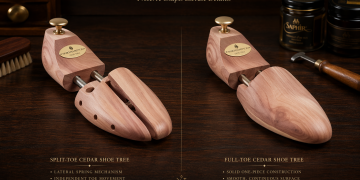
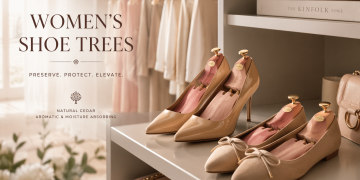
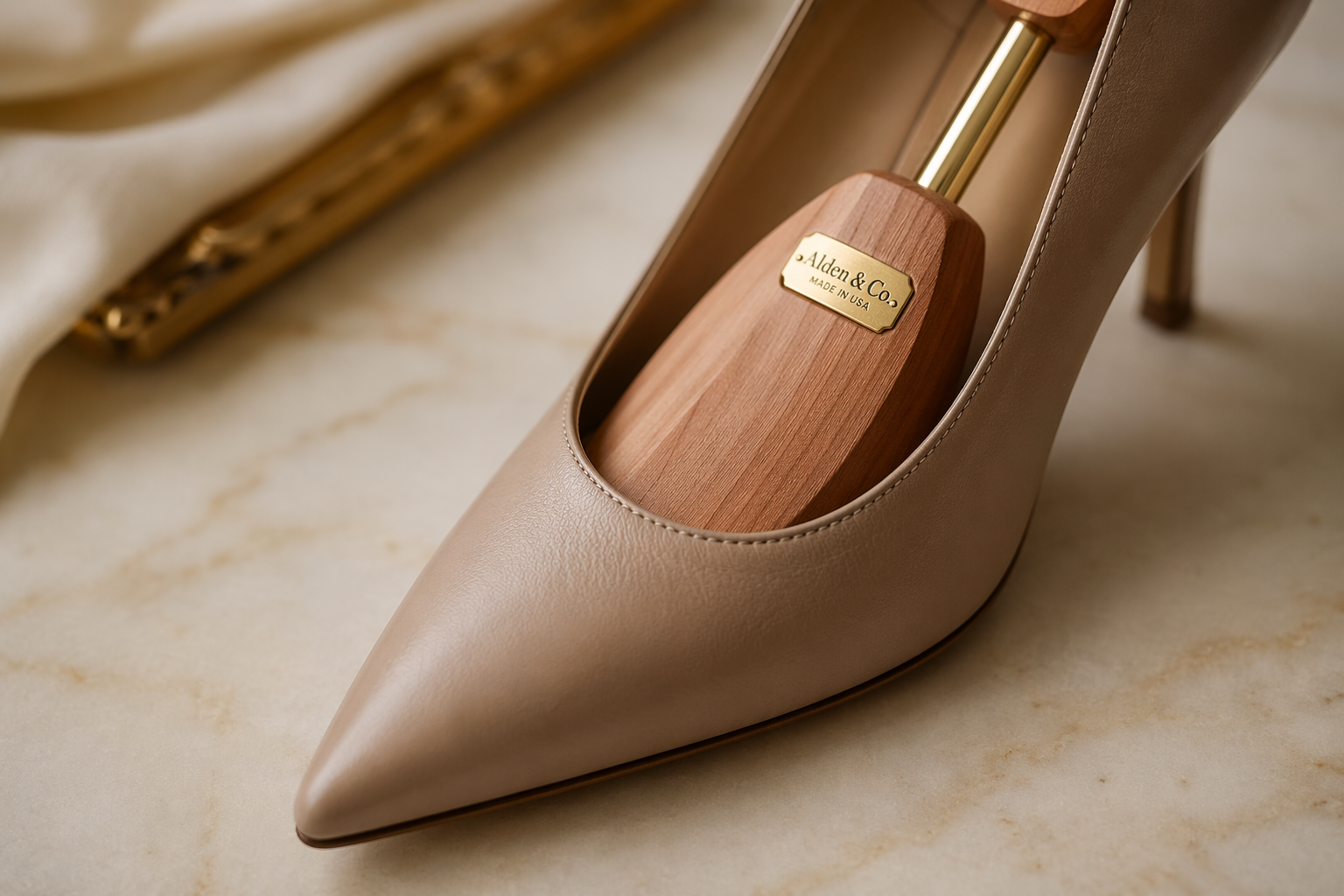
The soul of a high heel lies in its steep arch. Due to this unique structure, ordinary men’s shoe trees simply won’t fit. Specialized women’s shoe trees typically feature a narrower forefoot design and adjustable spring tubes.
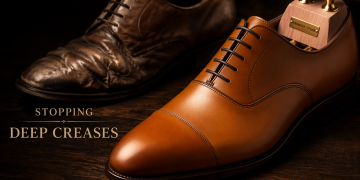
The primary purpose of inserting a shoe tree is not to stretch the shoe, but to re-flatten the creases generated by walking through constant tension. For expensive lambskin linings, the natural fine texture of cedar wood absorbs residual foot oils, preventing the leather from hardening and becoming brittle.
Flats and Knits: Fighting “Floppiness” and “Odor”
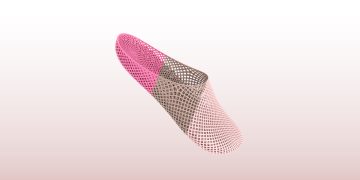
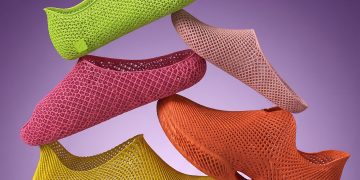
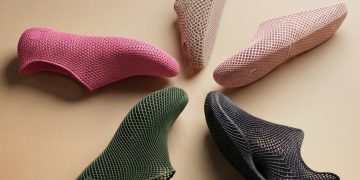
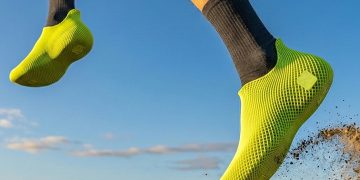
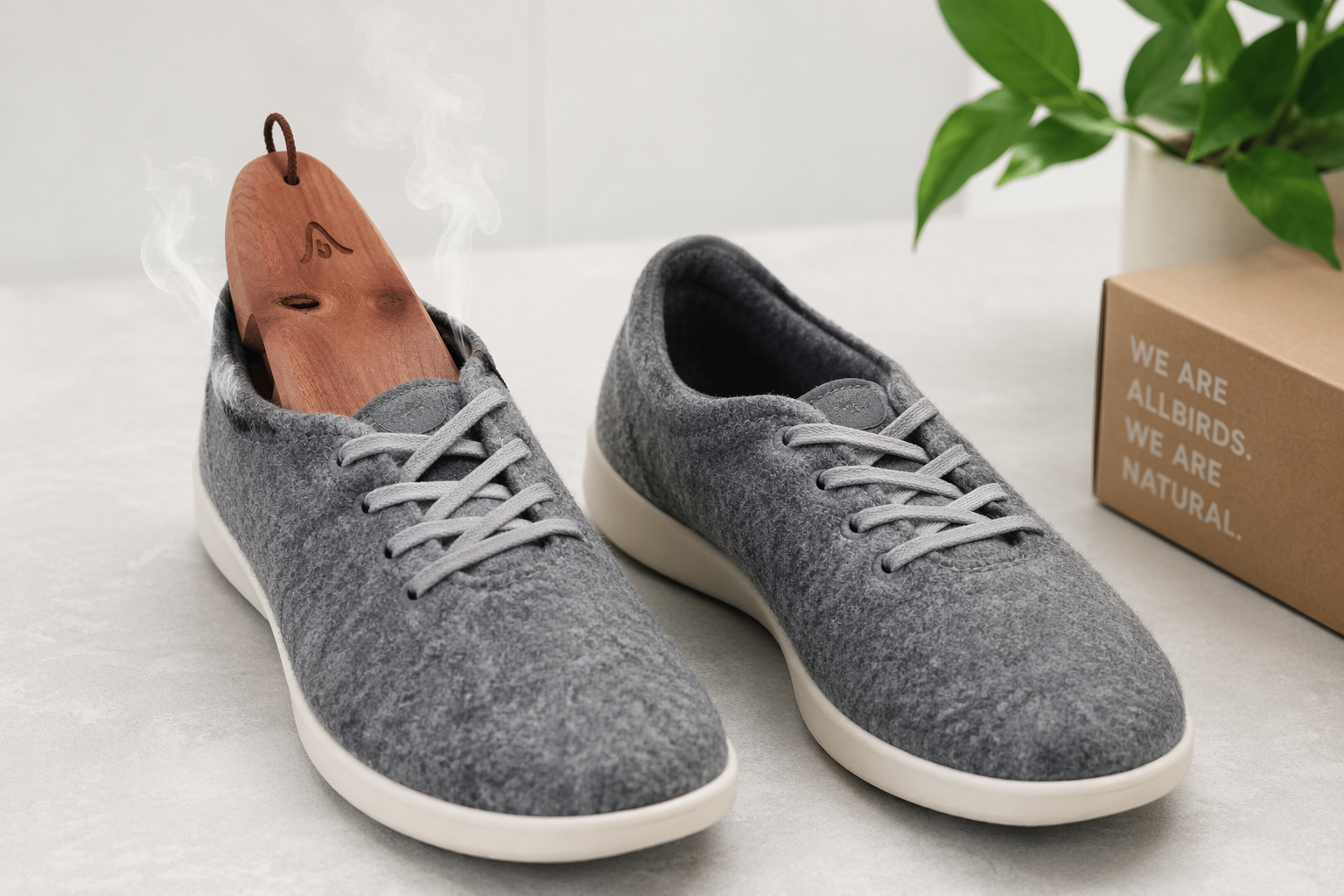
If you are a fan of allbirds tree breezers or various ballet flats, you’ve certainly experienced that “walking on clouds” comfort. But thin materials mean very weak structural retention.
An anonymous user shared her painful lesson on a fashion forum: “I used to firmly believe that flats didn’t need shoe trees. As a result, my favorite pairs of wool flats, after one summer of wear, not only saw their toe boxes become flat but also developed a persistent odor due to the moisture-absorbing nature of the material, even though I wash my feet daily.”
Cedar shoe trees play a dual role here: a physical “internal skeleton” for support and a chemical “natural deodorizer.” The aromatic oils in cedar neutralize odor molecules, while its porous fibers quickly wick away moisture from the fabric crevices.
Shopping Recommendation: Cedar vs. Plastic vs. Paper
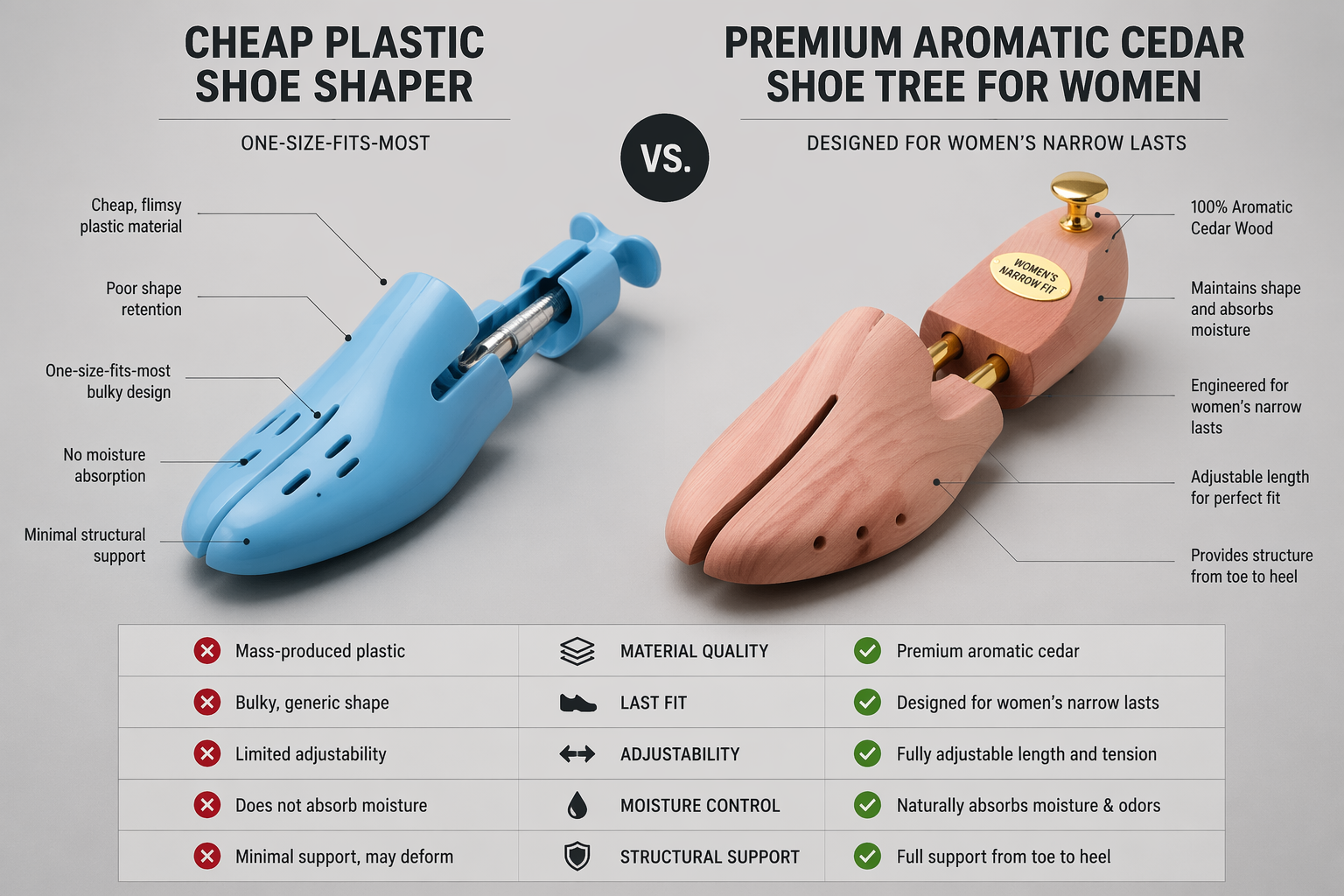
To help you choose a shoe care for women solution wisely, we’ve summarized the following comparison:
| Feature | Aromatic Cedar Women’s Tree | Plastic Spring Shaper | Original Paper Stuffing |
|---|---|---|---|
| Moisture Absorption | Excellent (Natural porous structure) | Zero (May even cause condensation) | Weak (And prone to mold) |
| Odor Management | Natural scent, antibacterial | None | None |
| Support Strength | Uniform, gentle, and lasting | Excessive local pressure, risks damage | Almost ineffective |
| Application Scope | Luxury leather, silk, knit footwear | Cheap daily footwear | Only for initial purchase |
Professional Advice: For narrow women’s lasts, ensure you look for shoe trees labeled “Women’s Slim Last” or “Small/Medium” specifications. An oversized men’s tree will instantly ruin the elegant side profile of your footwear.
Women’s Footwear Care FAQ
Q: Can I use cedar shoe trees for my expensive silk-satin evening shoes (like MB)? A: Yes. Cedar wood is extremely dry and smooth (on high-quality models). It not only supports the shape of the silk-satin but also wicks away trace perspiration that seeps in during wear, preventing the expensive fabric from yellowing or developing mold.
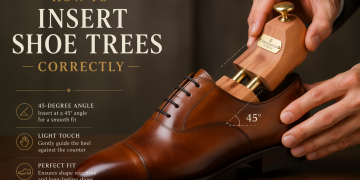
Q: Will shoe trees stretch my flats out by a size? A: Properly sized shoe trees will not stretch the shoes. Their role is to restore the original elasticity of the leather or fabric. If insertion feels exceptionally difficult, the size is likely wrong.
Q: Can I use shoe trees after washing my athletic flats (like Allbirds)? A: That is the best time to use them! Inserting cedar shoe trees during the drying process after washing ensures the shoes perfectly maintain their original last shape without shrinking or deforming as they dry.
Conclusion
In the world of shoe care for women, prevention is far more important than repair. A pair of exquisite women’s shoes carries our stride and confidence, and high-quality women’s shoe trees are their silent guardians during the night. Don’t let your fashion investment devalue through invisible moisture and gravity; give your heels and flats the support they deserve.