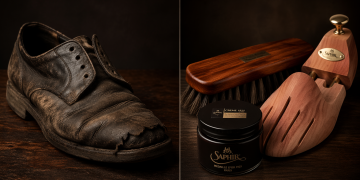
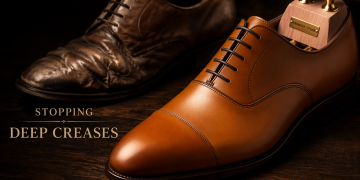
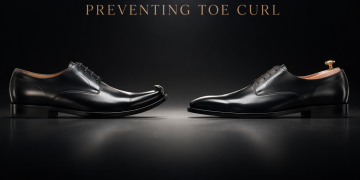



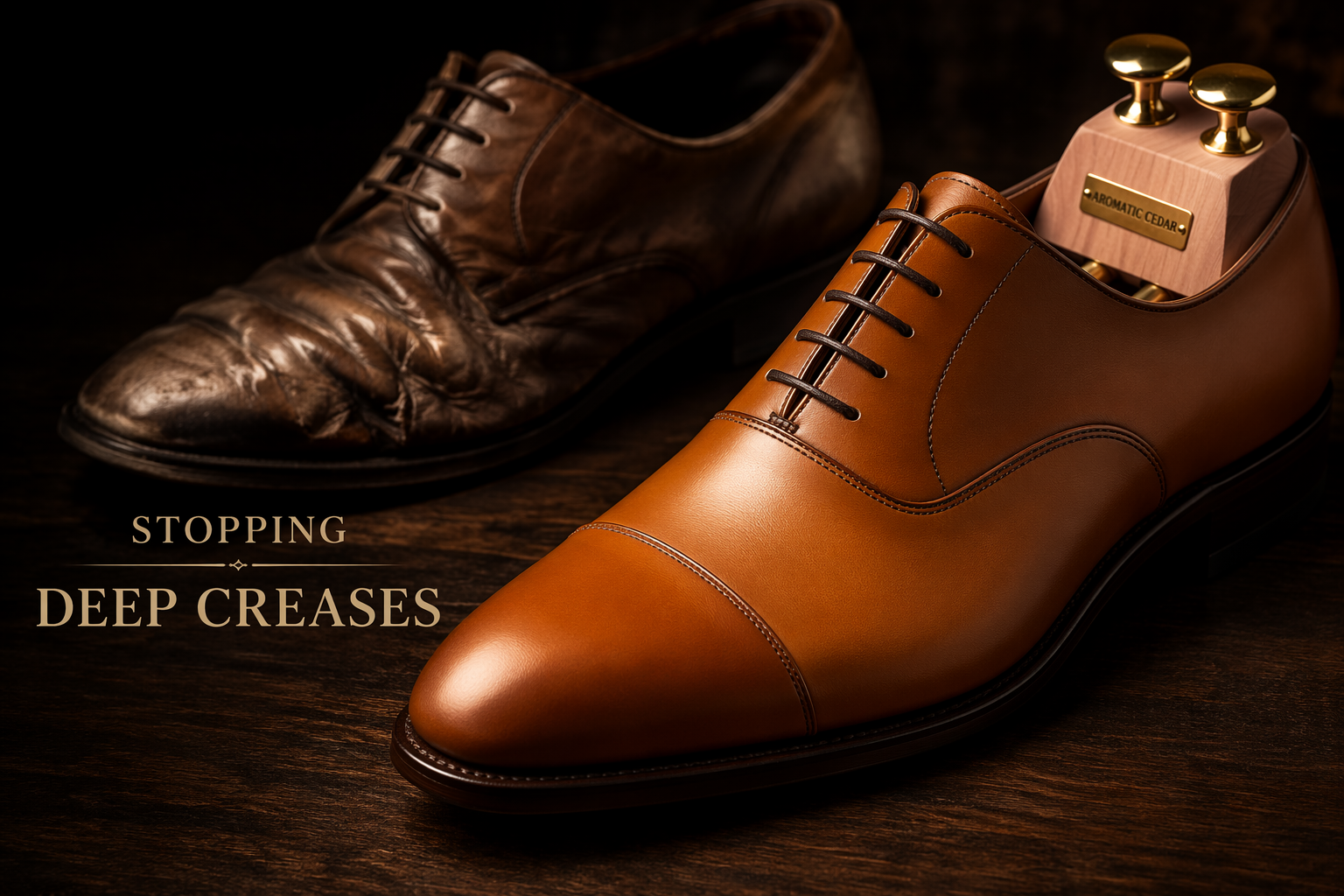
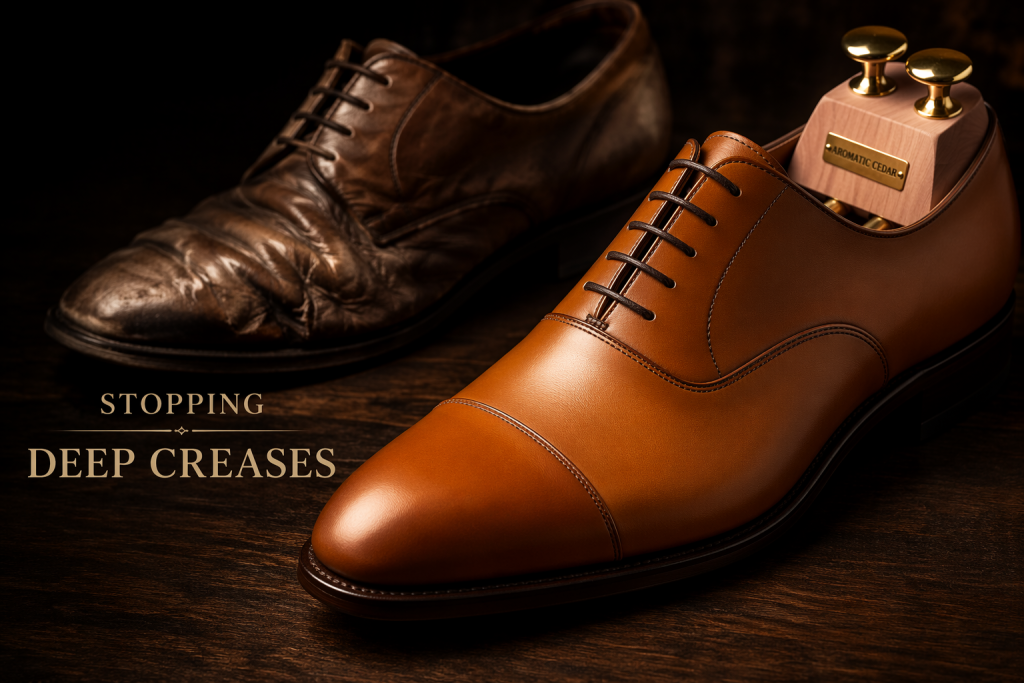
For every gentleman who loves dress shoes, a deep crease running across the vamp is often a source of quiet distress. Creases not only destroy the smooth, mirror-like aesthetic of the leather but are also precursors to fiber breakage. In the world of leather shoes, there is a brutal truth: preventing a crease is far easier than curing one.
According to research from the American Leather Chemists Association (ALCA), leather, as a natural protein fiber, is highly plastic when warm and moist but “sets” rapidly once it cools and dries. This means that the formation of a permanent crease doesn’t happen while you are walking, but during the few hours after you take your shoes off. This article will delve into the cooling mechanics of leather and provide you with a natural and scientific path to prevent shoe creases.
Cooling and Setting: The “Dark Window” of Crease Formation
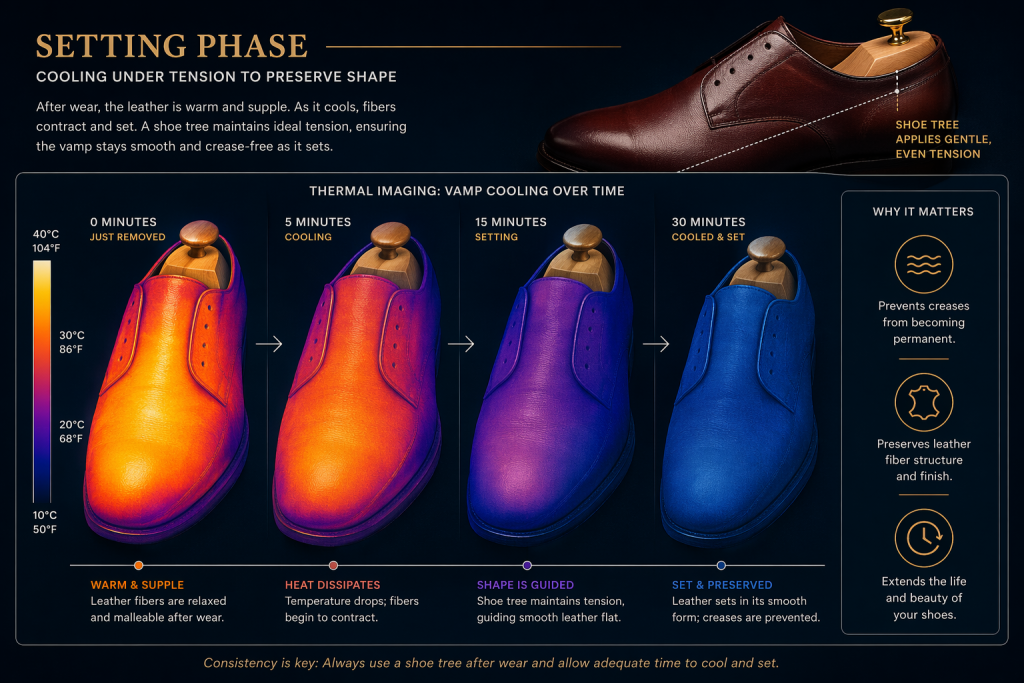
Imagine this: You’ve walked all day in your leather shoes. Your body heat has made the leather warm, and the trace moisture from perspiration has softened the collagen fibers. At this moment, due to the compression of your gait, the upper has formed temporary bends.
When you take the shoes off, the leather begins to cool. During this process, moisture evaporates, and the fibers draw back together. If the shoe remains in a bent state at this time, the leather fibers will become entangled and solidify during contraction, forming permanent creases. A veteran cobbler from Northampton privately shared with the author: “If you don’t put the shoe trees in within half an hour of taking the shoes off, you are essentially giving the leather an opportunity to memorize those wrinkles forever. Cooling and setting is an irreversible micro-chemical process.”
Therefore, the core of how to prevent shoe creases lies in using external pressure to force the fibers back to a straight state before setting occurs.
Why Twin-Tube Shoe Trees Are the “Nemesis” of Creases
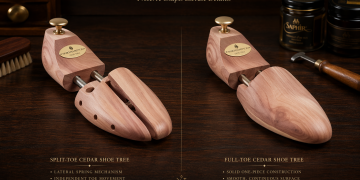
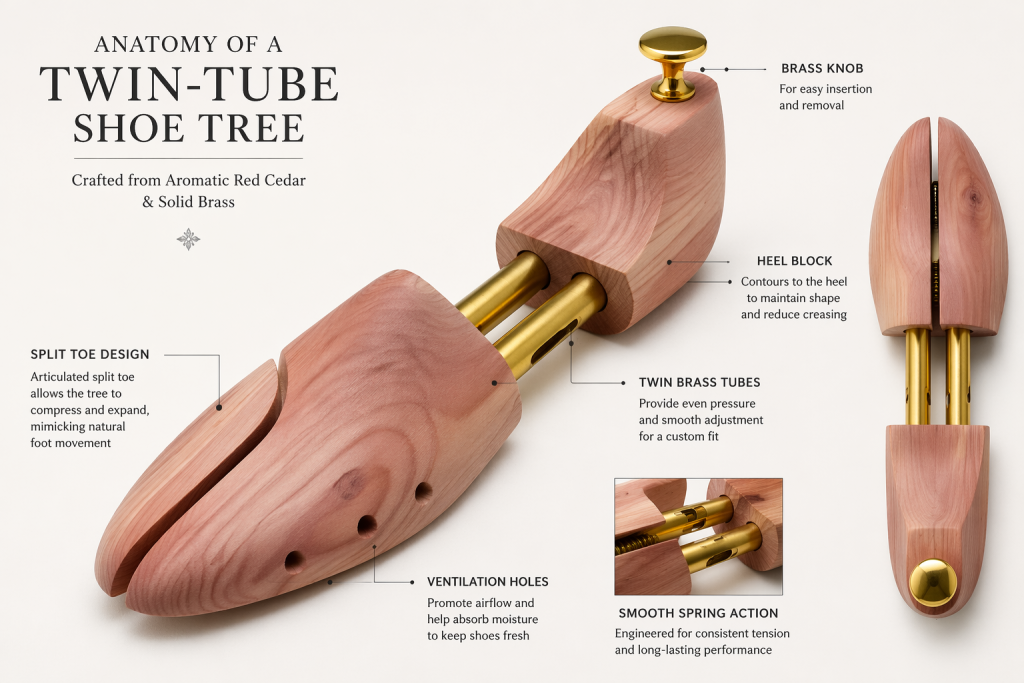
To effectively fix shoe wrinkles, we need a tool that can provide constant, uniform, and multi-directional tension. This is precisely why the best cedar shoe trees typically utilize a Twin-Tube structure.
1. Comprehensive Spatial Filling
The twin-tube design allows the shoe tree to generate stronger lateral and longitudinal support within the shoe cavity. The articulated split-toe ensures that the forefoot area—most prone to creasing—is fully expanded to match the contours of different lasts.
2. Precise Longitudinal Tension
Compared to single-tube trees, the rods of a twin-tube structure provide a more stable counter-force. This force straightens the sole and forces the upper leather downward, physically “ironing out” the creases that have already formed.
An anonymous high-end menswear blogger shared his testing results: “I’ve compared almost every support solution on the market. Single-tube trees often only prevent the shoe from shrinking, but in the fight against deep creases, only twin-tube cedar trees, with their high fill rate, can truly achieve micron-level maintenance of the silhouette.”
Fact-Based Comparison: Choosing Value for Crease Prevention
Not all support methods are effective at preventing creases. Below is a comparative recommendation based on material physical properties:
| Solution | Crease Prevention Efficacy | Leather Setting Correction | Long-term Investment Value |
|---|---|---|---|
| Twin-Tube Cedar Shoe Tree | ★★★★★ (Elite) | Extremely Strong (All-around tension) | Highest (Lasts decades) |
| Single-Tube Lightweight Tree | ★★★☆☆ (Moderate) | Average | High |
| Plastic/Foam Inserts | ★☆☆☆☆ (Weak) | Zero | Extremely Low |
| Old Newspaper/Paper Stuffing | ★☆☆☆☆ (Weak) | Zero (Might even introduce moisture) | None |
Shopping Recommendation: For Goodyear-welted shoes valued over $400, investing about $40 in the best cedar shoe trees is an exceptionally wise compound investment. It ensures your shoes still look only a month old after five years of wear.
Key FAQ for Preventing Deep Creases
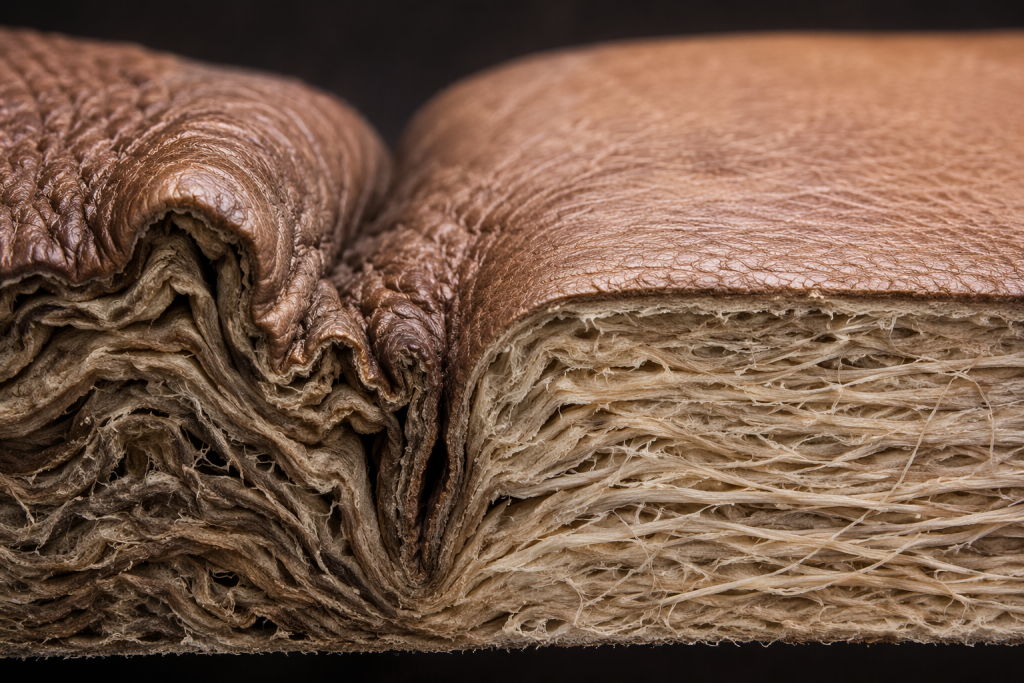
Q: Can existing deep creases be completely eliminated? A: It is difficult to eliminate them completely as the fibers have already broken, but they can be significantly faded. By using high-tension twin-tube shoe trees combined with a suitable leather conditioner, you can rearrange the fibers so that the creases appear much smoother.
Q: Do I need specialized “Crease Protectors” (plastic inserts)? A: Those plastic inserts often compromise wearing comfort. For high-end shoes, the best method remains immediately inserting the best cedar shoe trees after removal, allowing the leather to complete its setting under natural tension.
Q: Do I still need shoe trees if I only wear my shoes for one hour a day? A: Even one hour is enough for foot heat and the motion of walking to initiate the “heat-bend” process. As long as they have been worn, shoe trees must be inserted.
Conclusion
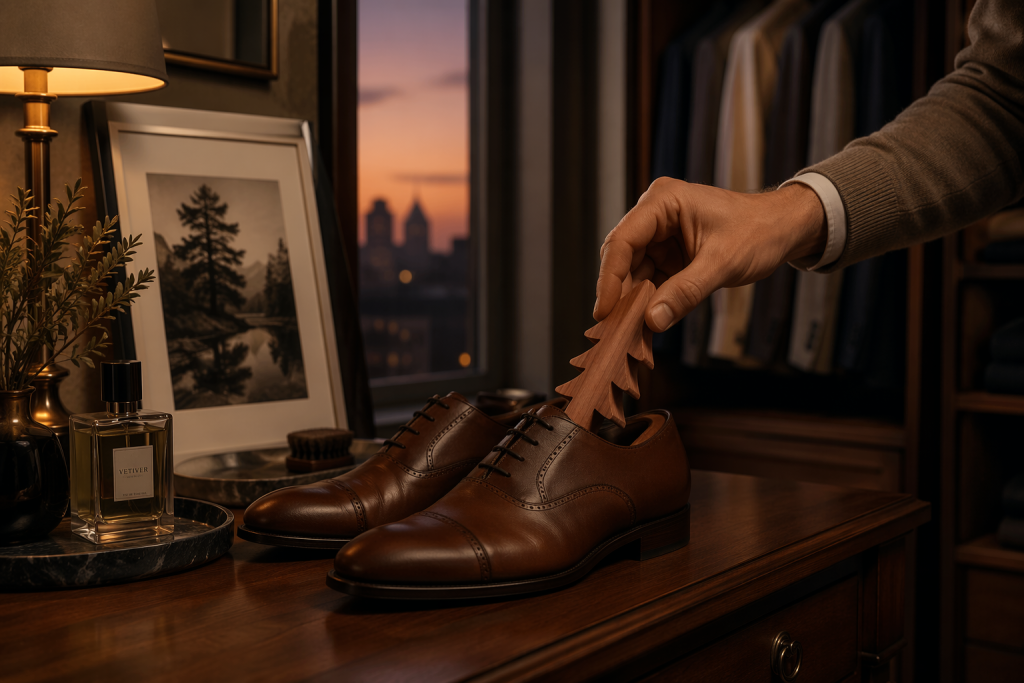
Creases are the wrinkles of an aging shoe, and habit is the best skincare. By understanding the “window of opportunity” during the leather’s cooling and setting phase and adhering to the daily intervention of best cedar shoe trees, you can naturally prevent shoe creases and lock in your shoes’ peak condition. Remember, every small action of inserting a shoe tree is an investment in your future elegance.