







In the realm of high-end menswear, leather shoes are more than just tools for walking; they are a long-term investment in both aesthetics and time. A pair of top-tier dress shoes, if maintained correctly, can span decades, even developing a charming patina over time. However, the reality is often disappointing: many expensive shoes suffer irreversible deformation or dry cracking within the first year of purchase.
According to industry reports from Statista, the growth of the global high-end footwear market is accompanied by a consumer pursuit of “sustainable quality.” Yet, as a biological fiber material, the physical characteristics of leather dictate that it requires precise “physiological regulation.” This article aims to solve the problem of rapid aging in high-end shoes through 10 subtle but vital daily habits. We will approach this from a scientific perspective, combining insights from industry veterans to unlock the longevity code of premier footwear.
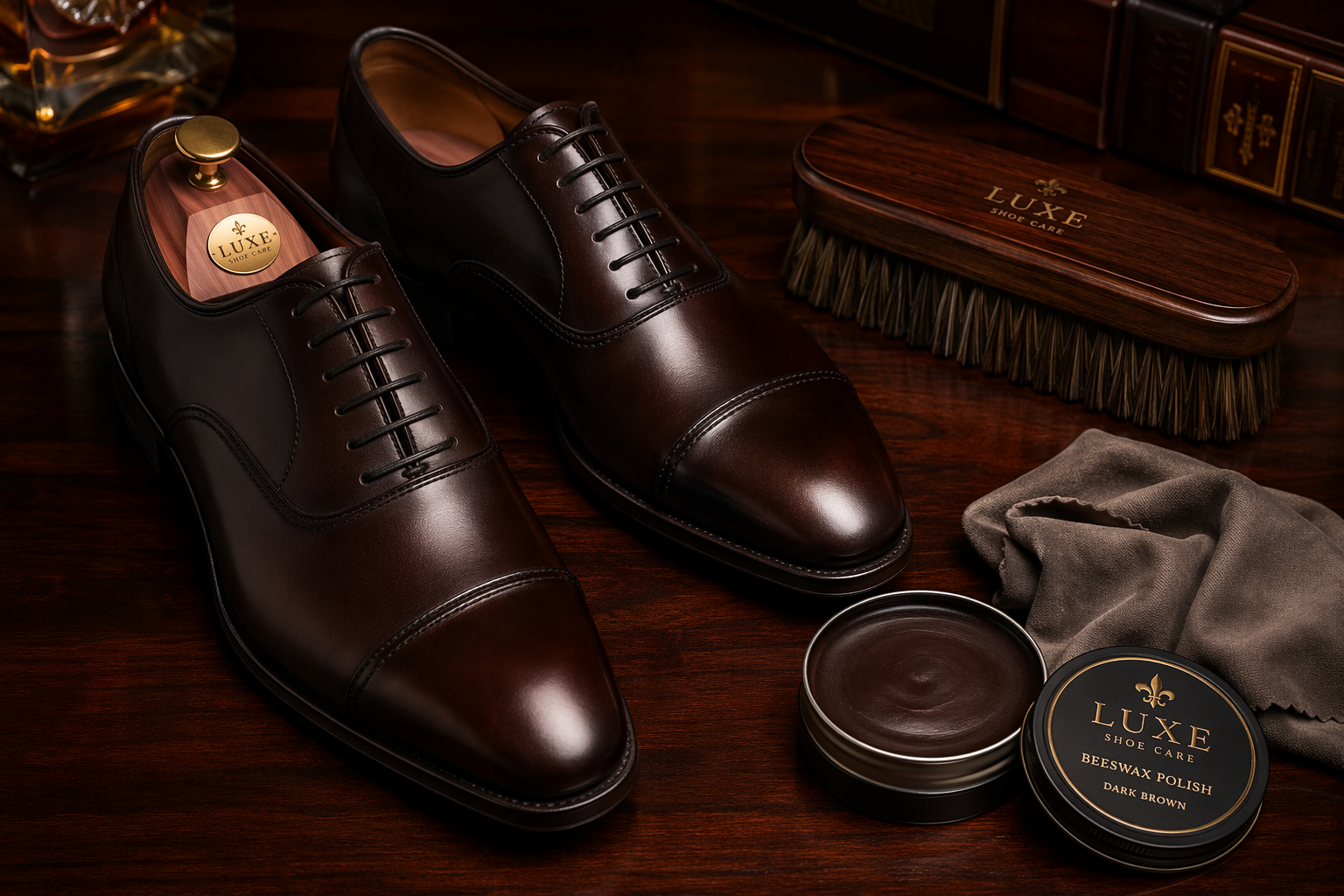
The Critical Three Minutes After Removal: A Neglected “Golden Window”
The vast majority of physical damage to leather shoes actually occurs the moment you take them off. After walking in leather shoes all day, your feet’s perspiration, body heat, and the repeated bending of the leather during movement leave the material in a state of extreme “fatigue.”
A veteran head cobbler at a Northampton heritage workshop, in a private interview with the author, stated: “Many people think maintaining shoes is about spending an hour applying polish on the weekend. It’s not. The most decisive moment is the three minutes after you take them off. If you simply kick them into a dark closet, you are personally shortening their lifespan.”
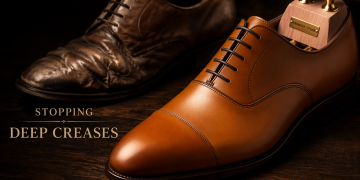
During these critical three minutes, moisture in the leather is evaporating rapidly. Without support, the leather fibers will shrink during the cooling and drying process, forming permanent “dead creases.” Therefore, developing the habit of immediately organizing your shoes after removal is the primary priority.
The Optimal Timing for Inserting Shoe Trees
When discussing shoe care tips, the role of shoe trees is irreplaceable. However, a common misconception among users is that they can wait until the next morning or the weekend to insert them.
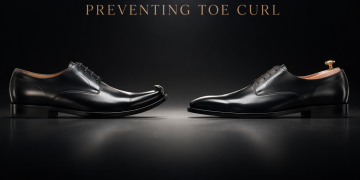
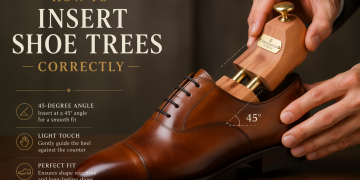
Leather possesses significant “shape memory” characteristics. When leather shoes still carry the residual warmth and trace moisture from your feet, they are at their highest potential for reshaping. Inserting men’s shoe trees at this moment allows the wood fibers to precisely balance the tension inside and outside the leather, smoothing out the wrinkles generated by walking.
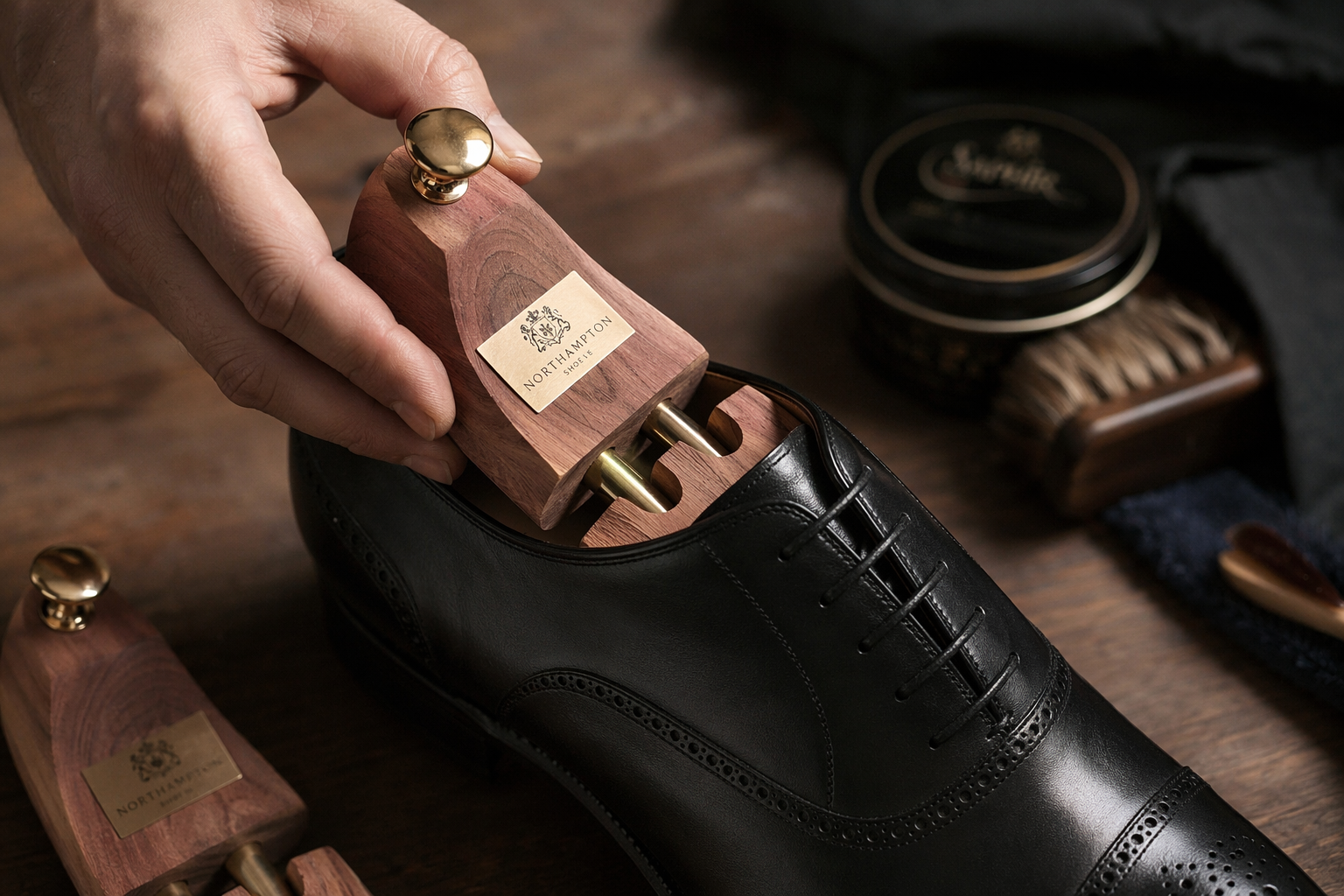
An anonymous collector of bespoke footwear, owning over 50 pairs of top-tier shoes, shared his experience: “I’ve tried various plastic shoe trees, but eventually discovered that only unfinished Aromatic Cedar is the truth. Not just because it maintains the shoe’s shape, but because it possesses powerful moisture-absorption and deodorizing capabilities at a microscopic level.”
Daily Dusting: Combating Micro-Abrasion
You might believe that leather shoes only need cleaning when they are covered in mud, but this is a fatal misunderstanding. Environmental fine dust is actually “invisible sandpaper” for leather.
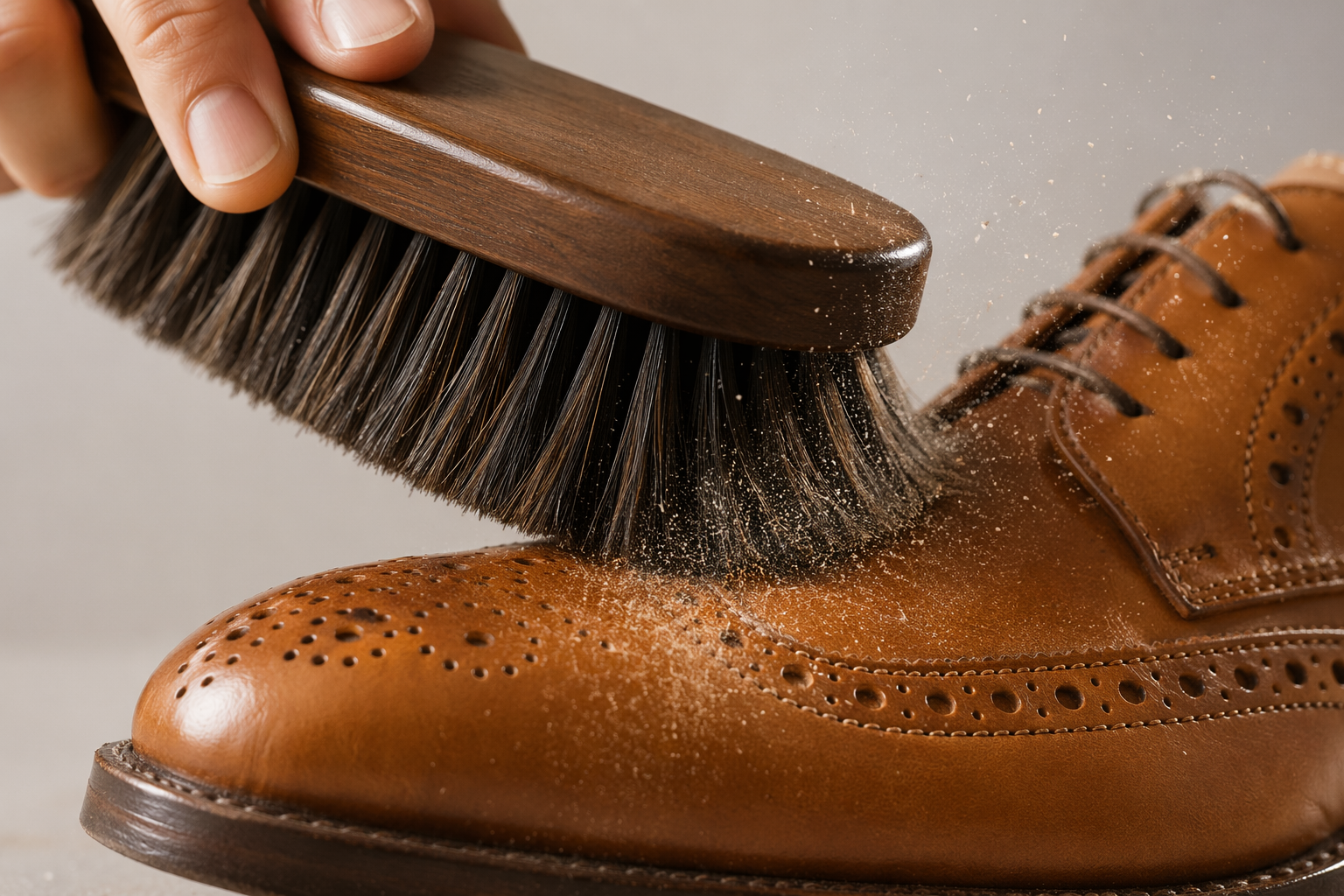
When dust accumulates in the pores of the leather, especially at the vamp where bending occurs frequently, the physical friction from every step allows these dust particles to cut leather fibers at a microscopic level. Over time, this leads to a loss of luster and even fine cracks on the surface.
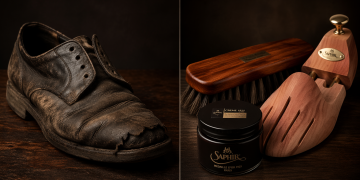
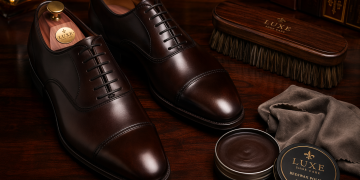
After returning home daily, use a large, long-handled horsehair brush for a 30-second sweep of the entire upper. The softness of horsehair is sufficient to protect high-end finishes, while its density is enough to carry away dust particles buried deep in the crevices. This offers more defensive value than any expensive conditioning cream.
The Rotation Principle: Leather Needs to “Breathe”
Leather is a highly porous material. Research indicates that an adult male’s foot produces approximately 15-20 ml of perspiration in a single day. This moisture permeates the midsole and the leather lining.
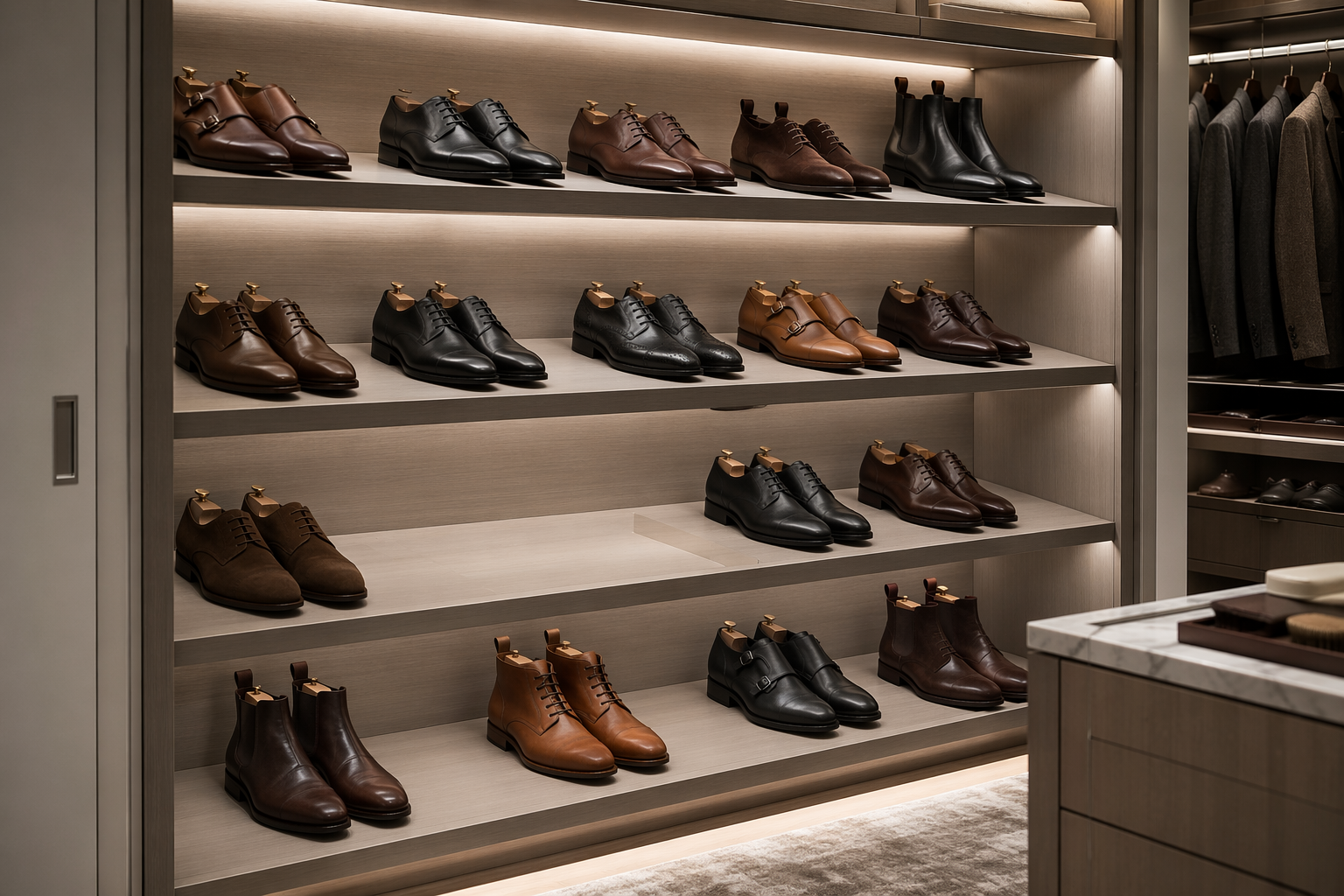
If you wear the same pair of leather shoes for two consecutive days, the internal moisture will not be fully drained. Leather in a chronically damp state becomes extremely fragile, prone to mold, and loses its structural integrity. Establish a strict rotation system—ensuring each pair of shoes rests for at least 24 to 48 hours before its next appearance. This physical “breathing” space allows the leather fibers to tighten again.
Avoiding the Temptation of “Heat Sources”
If you accidentally get your leather shoes wet on a rainy day, many people’s first instinct is to place them near a radiator or use a hairdryer. This is a “catastrophe” that high-end leather fears most.
Rapid hot air causes a drastic loss of internal oils (Lanolin and Tallow) within the leather. Fibers that lose their oil protection become as brittle as dry twigs. The correct approach is to stuff the interior with newspaper (to absorb moisture), place the shoes on their sides (to allow the leather soles to ventilate), and let them dry naturally in a cool, ventilated place.
Fact-Based Shopping Recommendation: Cedar vs. Plastic
When choosing men’s shoe trees, we often face a trade-off between price and effectiveness.
| Feature | Aromatic Cedar Shoe Trees | Plastic/Metal Shoe Trees |
|---|---|---|
| Moisture Absorption | Extremely strong (Natural porous fibers) | None |
| Odor Management | Natural cedar oil, long-lasting antibacterial | Only masking or ineffective |
| Shape Support | Stable, provides even and lasting pressure | Uneven force, risks damaging the heel |
| Longevity | Can be refreshed with sandpaper, lasts decades | Prone to aging and cracking |
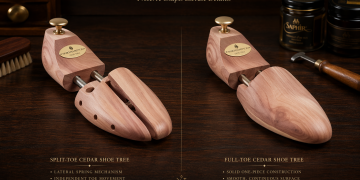
Shopping Tip: For shoes valued at over $300, configuring a pair of full-lasted cedar shoe trees is the only professional choice. While this increases the initial cost, in terms of shoe care tips, it directly reduces the frequency of repairs by approximately 60%.
Frequently Asked Questions
Q: Do I need shoe trees for every pair of shoes? A: Ideally, yes. But if your budget is limited, ensure you use them within the first 24 hours after removal. This is when the leather’s reshaping efficiency is highest.
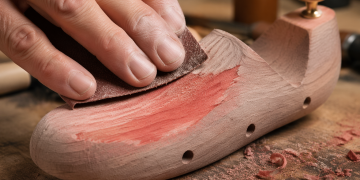
Q: What should I do if the cedar scent fades? A: Lightly sand the surface of the shoe tree with fine-grit sandpaper. This reopens the oil channels within the wood, releasing the fresh aroma and restoring its moisture-absorbing function.
Q: Why is my horsehair brush shedding? A: High-quality natural horsehair brushes exhibit slight shedding in the beginning; this is normal. Choose models with solid wood bases and dense bristles for maximum dusting efficiency.
Conclusion
Maintaining high-end footwear is not a physically demanding task requiring advanced skills, but rather a mental marathon of habits. From selecting the right men’s shoe trees to adhering to daily horsehair sweeping, these subtle actions produce a compound effect over time. When you are still wearing that pair of shoes that accompanied you through countless important occasions ten years later, you will realize that those three minutes after removal were well worth it.