








The Silent Transition from Student to Professional
The day a graduation cap is tossed into the air marks the end of an academic marathon, but for many, the silence that follows the ceremony is where the real work begins. It is the moment when the “student” identity is retired and the “professional” identity begins to take root. This transition is often managed through resumes, LinkedIn updates, and networking events. However, there is a physical dimension to this shift that is frequently overlooked: the artifacts we carry into our new lives.
In a world increasingly dominated by fast-moving trends and disposable commodities, the concept of a “legacy piece” feels almost radical. According to data from Pew Research Center, younger generations are entering a workforce that is more digital and flexible than ever, yet the psychological need for stability and “enclothed cognition”—the systematic influence that clothes have on the wearer’s psychological processes—remains a powerful factor in career confidence. Further insights from The Business of Fashion suggest that while Gen Z is cost-conscious, they are increasingly prioritizing “investment pieces” that offer longevity over volume.
We write this exploration not to encourage senseless spending, but to advocate for a strategic anchor. By choosing one high-quality, premium item to mark this milestone, a graduate does more than just buy an object; they establish a standard for their future self. This article explores the philosophy of the legacy piece, the categories worth your first paycheck, and how to maintain these investments so they truly last a lifetime.
The Philosophy of the Legacy Piece: Quality as a Career Strategy
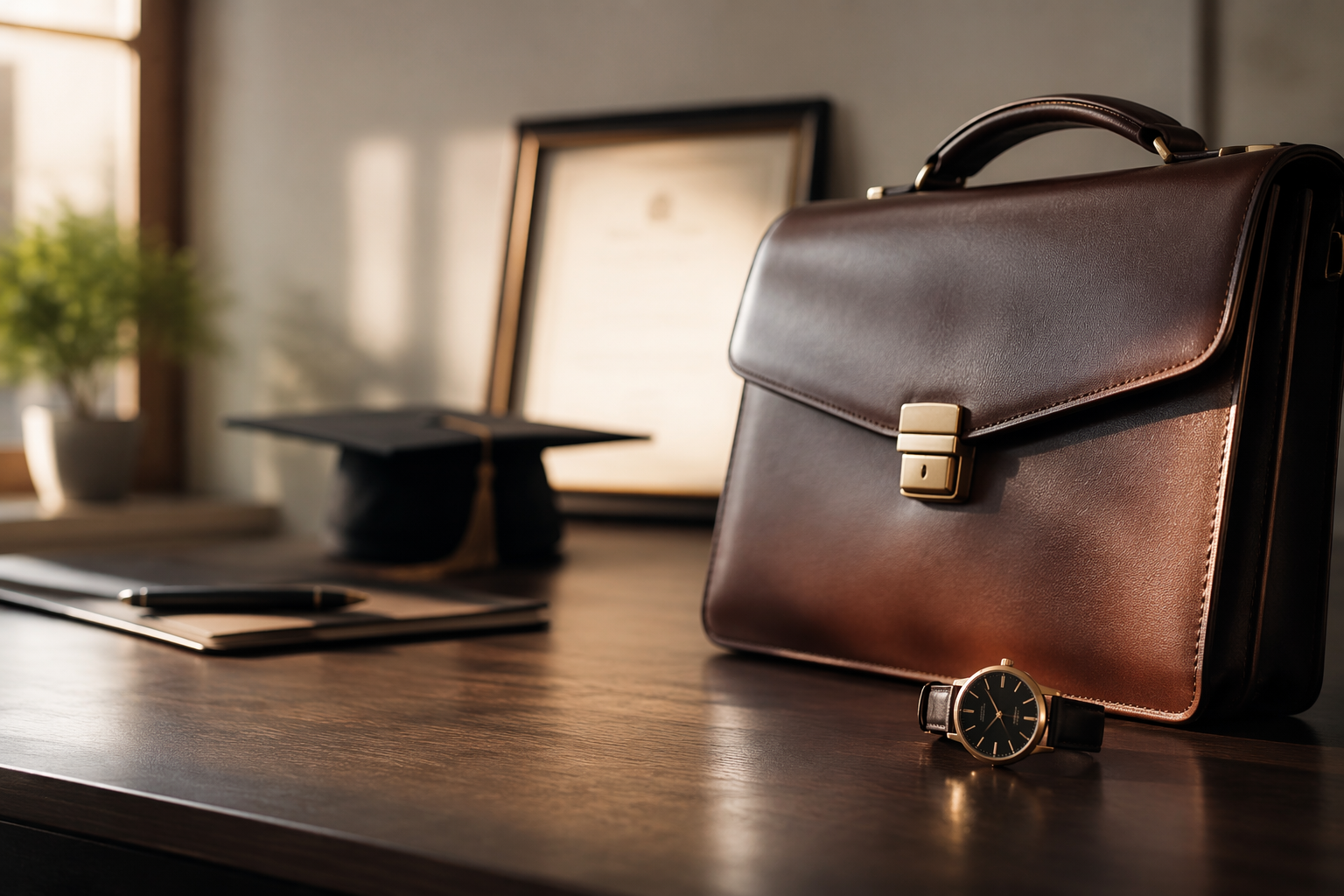
Investing in a premium item at the start of a career is often criticized as “lifestyle creep,” but this perspective misses the strategic value of the Milestone Artifact. A legacy piece is defined by its ability to age with you. Unlike a standard backpack or a plastic-strapped watch that begins to degrade the moment it is used, a legacy piece—be it a full-grain leather bag or a mechanical timepiece—develops a patina. It records the miles you’ve walked and the meetings you’ve survived.
Psychologically, carrying a premium item signals to yourself that you belong in the room. This isn’t about impressing others; it’s about internalizing your own professional growth. When you reach for a well-made leather tote or check a timeless watch, you are reminded that you are no longer an apprentice. You are a practitioner.
Building a Professional Foundation involves recognizing that your physical presence is an extension of your brand. In the early stages of a career, when your resume is still growing, your attention to detail and the quality of your tools speak volumes about your standards.
The Timepiece: Marking the Seconds of Success
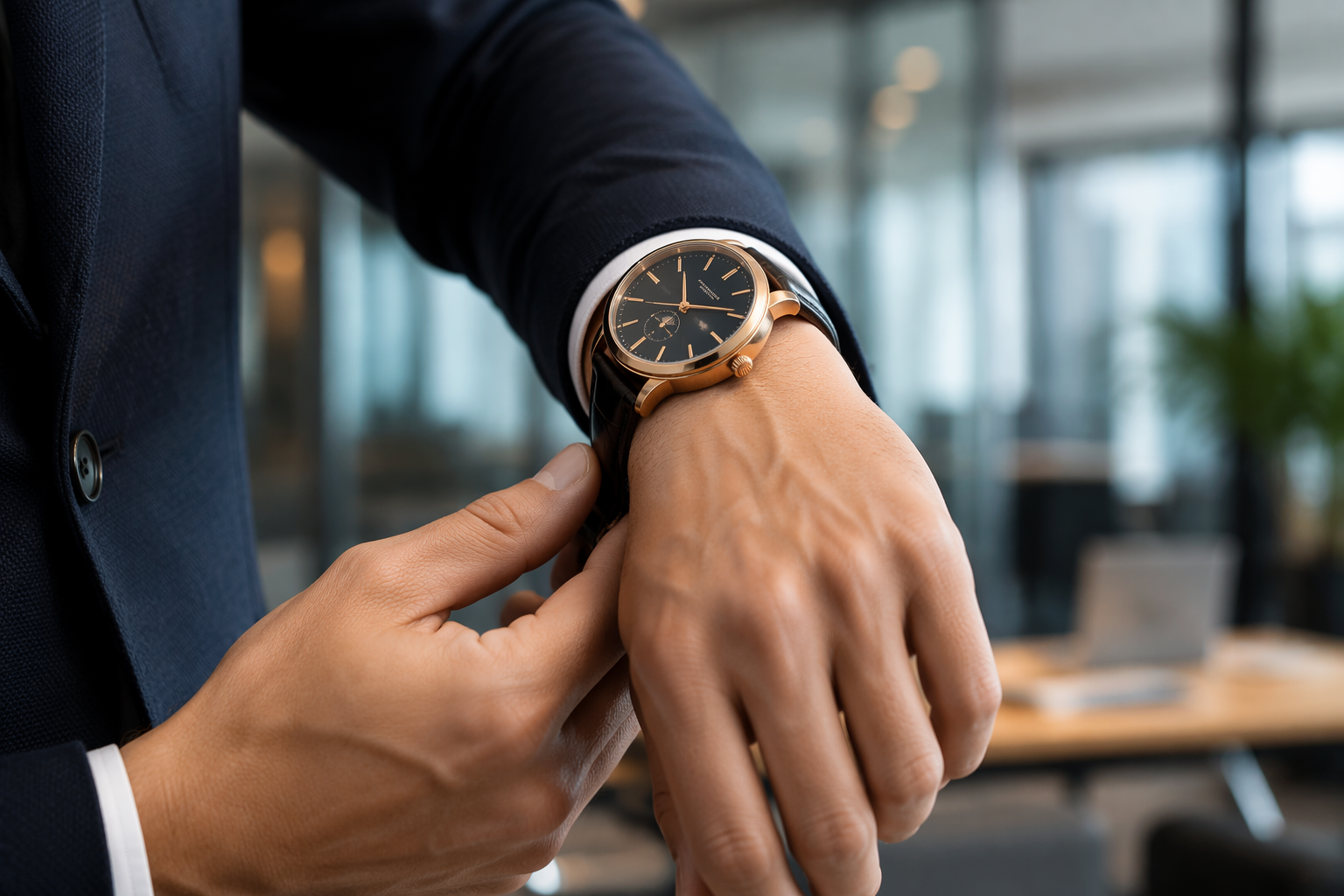
If there is one item that has historically symbolized professional arrival, it is the watch. In the age of smartphones, a watch is no longer a utility; it is a declaration. For a new graduate, an entry-level luxury watch is the ultimate legacy piece because it is one of the few items that can genuinely be passed down to the next generation.
Why the Watch Still Matters
A watch represents a commitment to time—both your own and others’. In a high-stakes meeting, checking your phone for the time can appear disrespectful or distracted. Checking a watch, however, is a discreet, professional gesture. It suggests that you are a steward of time.
When selecting your first premium watch, look for a movement and a design that transcends the current year. Avoid “fashion watches” that rely on brand names rather than horological craftsmanship. A stainless steel automatic watch with a minimalist face will look as relevant in 2045 as it does today.
The Psychological Anchor of the Wrist
Every time you glance at your wrist during a stressful project, the weight and the craft of a premium watch serve as a grounding force. It is a tangible reminder of the graduation milestone—the moment you decided to take your career seriously.
The Structured Carry: Your Mobile Command Center
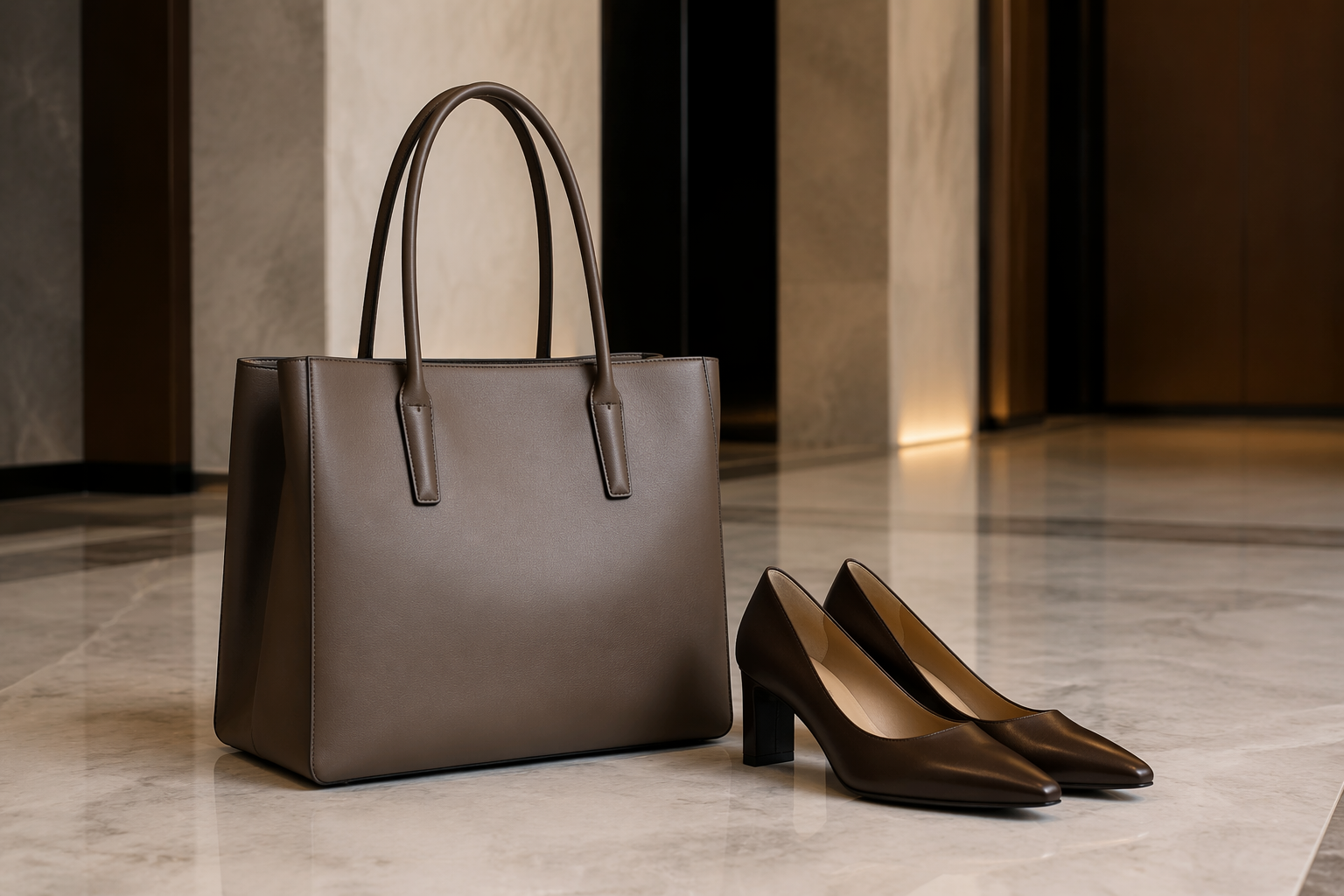
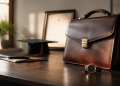
For many professionals, their work bag is their most frequently used tool. It carries the laptop that generates their income, the documents that seal their deals, and the personal items that keep them going through a long commute. Moving from a canvas college backpack to a structured leather tote or a sleek briefcase is perhaps the most visible sign of professional maturation.
Function Meets Form in Full-Grain Leather
A premium bag is an investment in durability. High-quality leather doesn’t just look better; it survives the wear and tear of daily use. While a cheap synthetic bag might peel or lose its shape within a year, a well-crafted leather bag will hold its structure, protecting your hardware and presenting a polished silhouette to clients and colleagues alike.
Modern Work Essentials require a balance between traditional aesthetics and modern utility. Ensure your chosen bag has dedicated, padded compartments for your technology, but maintains a classic exterior that won’t look out of place in a boardroom.
The Perspective of the Craftsman
“We often see young professionals come into our workshop looking for something that ‘looks the part,’ but we encourage them to look for something that ‘is the part,'” says a Head of Design at a century-old European leather house, who prefers to remain anonymous. “True luxury in the professional sphere isn’t about the logo on the outside. It’s about the stitching on the inside, the weight of the hardware, and the source of the material. A graduate who buys a well-made bag is buying a tool that will accompany them from their first entry-level position to their eventual promotion to the executive suite.”
Real-World Feedback: The Impact of the First Investment
“I spent my first bonus on a classic navy wool blazer and a high-quality leather tote,” shares Sarah M., a Junior Analyst in Chicago. “At first, I felt guilty about the price. But three years later, those two items are still my daily armor. I’ve gone through countless pairs of cheap shoes, but that bag still looks brand new. It makes me feel ‘ready’ every time I leave the house, even on days when I’m feeling imposter syndrome.”
Similarly, James L., a Software Engineer in Seattle, notes: “I never thought I’d be a ‘watch guy.’ My parents gave me a mechanical watch for graduation. Wearing it to my first big interview changed how I carried myself. I wasn’t just another kid in a hoodie; I was someone who valued precision.”
The Strategic Choice: Comparison of Investment Pieces
When choosing where to put your first significant professional investment, it helps to weigh the longevity against the daily utility.
| Category | Typical Investment | Expected Lifespan | Professional Signal |
|---|---|---|---|
| Mechanical Watch | $500 – $2,500 | Lifetime (with service) | Stewardship, Attention to Detail |
| Leather Work Bag | $300 – $1,200 | 10 – 20 Years | Organization, Preparedness |
| Tailored Suit | $600 – $1,500 | 5 – 10 Years | Executive Presence, Respect for Norms |
| Quality Footwear | $200 – $600 | 5 – 15 Years (if resoleable) | Groundedness, Foundation |
Curated Recommendations: The Entry-Level Icons
Choosing the right piece requires balancing your personal style with industry standards. Here are three “Safe Haven” investments for any new graduate:
1. The Timeless Stainless Steel Watch (e.g., Seiko Alpinist or Hamilton Khaki Field)
These brands offer mechanical “engines” that rival much more expensive luxury names. They are rugged enough for daily wear but elegant enough for a suit.
- Why: They offer incredible “cost-per-wear” and respect from horological enthusiasts.
2. The Structured Leather Tote or Briefcase (e.g., Linjer or Cuyana)
Look for “Full-Grain” leather. It is the top layer of the hide and the most durable.
- Why: These pieces avoid loud branding, focusing instead on the quality of the material, which signals quiet confidence.
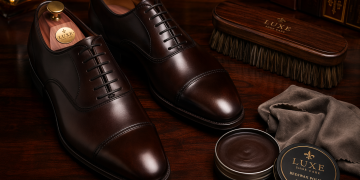
3. The Goodyear-Welted Loafer or Oxford (e.g., Allen Edmonds or Meermin)
The Goodyear welt allows the shoe to be resoled multiple times.
- Why: You are buying a shoe for a decade, not a season. Polished, well-maintained shoes are often the first thing people notice in a professional setting.
The Ethical and Sustainable Argument for Premium Goods
In an era of environmental crisis, the most sustainable thing a consumer can do is buy less and buy better. A single premium bag that lasts fifteen years replaces five or six “fast fashion” bags that would otherwise end up in a landfill.
Sustainable Professional Habits start with the understanding that every purchase has a footprint. By investing in a legacy piece, you are participating in a circular economy of quality. These items often retain their value, meaning they can be repaired, resold, or repurposed, rather than discarded.
Maintenance: Protecting Your Career Investment
A legacy piece is only a legacy if you take care of it. High-quality materials require different care than synthetic ones.
- Leather: Use a conditioner every six months to keep the skin supple and prevent cracking. Store bags with stuffing to maintain their shape.
- Timepieces: Mechanical watches should be serviced every 5-7 years to ensure the oils don’t dry out. Avoid wearing them near strong magnetic fields (like large speakers).
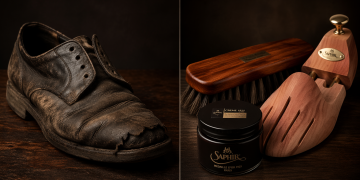
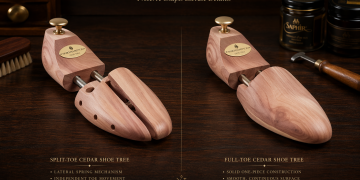
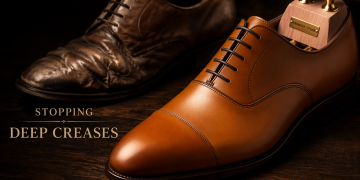
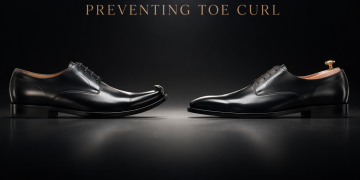
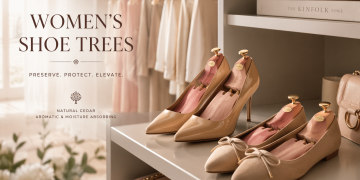
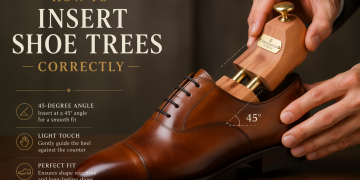
- Footwear: Use cedar shoe trees. They absorb moisture and keep the leather from creasing deeply.
Frequently Asked Questions
How much should I spend on my first premium piece? There is no set number, but a good rule of thumb is to spend an amount that feels significant but doesn’t put you in debt. Many professionals save a portion of their first three paychecks to fund their legacy piece.
Is it better to buy one expensive item or three mid-range items? One expensive, high-quality item is almost always better. The “mid-range” often uses the same manufacturing shortcuts as fast fashion but with a higher markup. True premium items use superior construction methods (like hand-stitching or high-grade movements) that mid-range items lack.
Can I buy my legacy piece pre-owned? Absolutely. The “vintage” market for watches and leather goods is a fantastic way to get higher-tier quality for a lower entry price. Just ensure you are buying from a reputable, authenticated source.
What if my office is casual? Do I still need a premium piece? Yes. Even in a “jeans and t-shirt” office, a high-quality watch or a premium leather tech-backpack distinguishes you as someone who values quality. It is a personal standard, not just a dress code.
Building Your Own Professional History

As you walk into your first office, or log into your first remote meeting, the artifacts you surround yourself with act as a scaffold for your ambition. A graduation legacy piece is more than a gift or a splurge; it is a commitment to the person you are becoming. It is the first chapter of a story that will span decades. Choose something that you will still be proud to carry when you are no longer the “new person” in the room, but the one leading the meeting.