

















As I stand at the precipice of 2028, looking back at the last decade of fashion, it is clear that the “Soft Revolution” is no longer a quiet movement—it is a global transformation. Knitwear, once the humble staple of seasonal comfort, has ascended to become the strategic core of the luxury and performance industries. My thoughts often return to the loom, an ancient technology that has now merged with the silicon chip. This isn’t just about clothing; it’s about the data we wear and the circularity we embody.
According to the McKinsey State of Fashion Report, the industry is entering a “Hyper-Circular” era where transparency is the new currency. Further research by the European Parliament on Digital Product Passports suggests that by 2028, every stitch sold in the EU will carry a scannable legacy. Meanwhile, the global knitwear market is projected to surge at a CAGR of 12.1%, reaching staggering valuations by the decade’s end (Market Research Future). This article seeks to dissect these shifts, offering a strategic roadmap for brands to navigate the complexities of 2028 through radical transparency, technological sovereignty, and wellness-centric design.
The Dawn of Hyper-Circular Knitwear: The Digital Product Passport (DPP) Mandate

By 2028, the “black box” of supply chains has been shattered. The implementation of the EU’s Digital Product Passport (DPP) has turned every knit garment into a dynamic data asset. This is the era of Sustainable Fashion maturity. No longer can a brand simply claim “recycled wool”; they must prove the GPS coordinates of the pasture, the chemical safety of the dye, and the social audit score of the spinning mill.
The Scannable Legacy
The DPP acts as a bridge between the physical and digital worlds. When a consumer scans a high-end cashmere sweater in 2028, they aren’t just seeing a price tag. They see a “Repair and Resale” roadmap. The passport includes detailed instructions for localized repair networks, ensuring that the garment stays in circulation for decades rather than seasons. This shift from “Product as a Purchase” to “Product as a Service” is the defining strategic pivot of the year.
Furthermore, the data architecture of the DPP is designed for machine readability. Molecular sorting facilities at recycling centers use these passports to instantly identify fiber blends, allowing for 100% accurate chemical recycling. This has effectively solved the “blended fiber” crisis that plagued the early 2020s, where complex knits were often unrecyclable.
The Rise of the Resale-Integrated Knit
By 2028, the most successful knitwear brands have integrated resale platforms directly into their business models. Using the DPP’s verification capabilities, a consumer can list their sweater for resale with a single click. The brand, in turn, takes a small commission or “Royalty for Life” on every subsequent transaction of that specific item. This “Forever Profit” model incentivizes the creation of high-durability, timeless knits over trendy disposables.
3D Seamless Knitting: The Zero-Waste Paradigm Shift
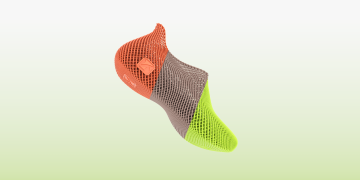
The traditional “Cut and Sew” method is rapidly becoming an industrial relic. In 2028, the strategic dominance of 3D seamless knitting (WholeGarment technology) has reached its zenith. This technology represents the perfect fusion of environmental necessity and aesthetic purity.
Eliminating the Cutting Floor
Traditional apparel manufacturing creates approximately 15-20% fabric waste during the cutting process. 3D knitting machines, such as those pioneered by Shima Seiki and Stoll, produce a complete garment in a single three-dimensional piece. There are no seams to fail, and more importantly, zero off-cuts. For a brand’s bottom line in 2028, this means a significant reduction in raw material costs and a dramatic improvement in sustainability scores.
AI-Driven Generative Design-to-Knit
The workflow has been revolutionized by AI. In 2028, designers provide aesthetic parameters—texture, drape, weight—and generative AI optimizes the knit structure for maximum performance and minimum yarn usage. These files are sent directly to 3D knitting machines, enabling “mass customization.” Consumers can now enter their body scan data at a digital kiosk and receive a bespoke, perfectly fitting sweater knitted on-demand within 60 minutes.
Localized Micro-Factories
The efficiency of 3D knitting has enabled the rise of urban micro-factories. By 2028, many leading brands have moved their production closer to their primary markets—London, New York, Shanghai—reducing the carbon footprint associated with global logistics. These “Dark Knit Labs” operate autonomously, producing garments on-demand based on real-time data from social sentiment and local weather patterns.
Global Market Dynamics: A Regional Strategic Breakdown
The 2028 knitwear landscape is not monolithic; it is a tapestry of regional priorities and innovations.
Europe: The Compliance and Circularity Engine
Europe remains the regulatory heart of the industry. The focus here is on durability and the “Right to Repair.” Strategic success in Europe depends on a brand’s ability to navigate the complex landscape of the ESPR (Ecodesign for Sustainable Products Regulation).
North America: The Performance and Wellness Hub
The US market is driven by the “Wellness-Skin” economy. American consumers are prioritizing knits that offer physical benefits—moisture-wicking, antimicrobial properties, and bio-responsive performance. The intersection of athleisure and luxury knitwear has reached its peak here.
Asia-Pacific: The Digital and Automated Frontier
The APAC region, particularly China and Vietnam, has transitioned from being the world’s workshop to the world’s innovation lab. 3D knitting and automated textile sorting are most advanced here, driven by massive investments in Manufacturing 4.0.
Material Science: Beyond Conventional Fibers
In 2028, we have moved beyond traditional wool and cotton. The industry is now defined by bio-engineered and recycled innovation.
Lab-Grown Protein Fibers
Knitwear is now being produced from lab-grown silk and spider silk proteins. These materials offer the strength of steel and the softness of cashmere without the environmental or ethical concerns of traditional silk farming.
Bio-Engineered Cellulose
Using agricultural waste (like pineapple leaves or orange peels), scientists have created high-performance cellulose fibers that mimic the properties of wool. These fibers are biodegradable and offer superior temperature regulation, making them a staple of the 2028 spring/summer knit collections.
Smart Textiles: From “Cozy” to “Cognitive”

Knitwear in 2028 is no longer passive. The integration of IoT and bio-responsive fibers has transformed sweaters into wellness devices. We have moved beyond simple “smartwatches” to “smart skins.”
Bio-Responsive Fibers and Mood Regulation
The industry has seen a surge in knitwear infused with infrared-emitting minerals and encapsulated essential oils. These fibers interact with the wearer’s body heat to stimulate circulation and promote muscle recovery. Even more advanced are the “Cognitive Knits”—garments that can detect subtle changes in heart rate variability (HRV) and emit calming warmth or gentle haptic pulses to mitigate stress.
The “Wellness-Skin” Economy
“Consumer behavior has shifted from external vanity to internal equilibrium,” notes a Senior Strategist at a leading Global Material Innovation Lab. “In 2028, your sweater doesn’t just make you look good; it monitors your cortisol levels. It is an extension of your healthcare system.”
Regenerative Agriculture: The New Sourcing Standard
The strategic focus has shifted from “Sustainable” to “Regenerative.” Brands are no longer content with “doing less harm”; they must prove they are actively healing the planet.
Carbon-Negative Wool
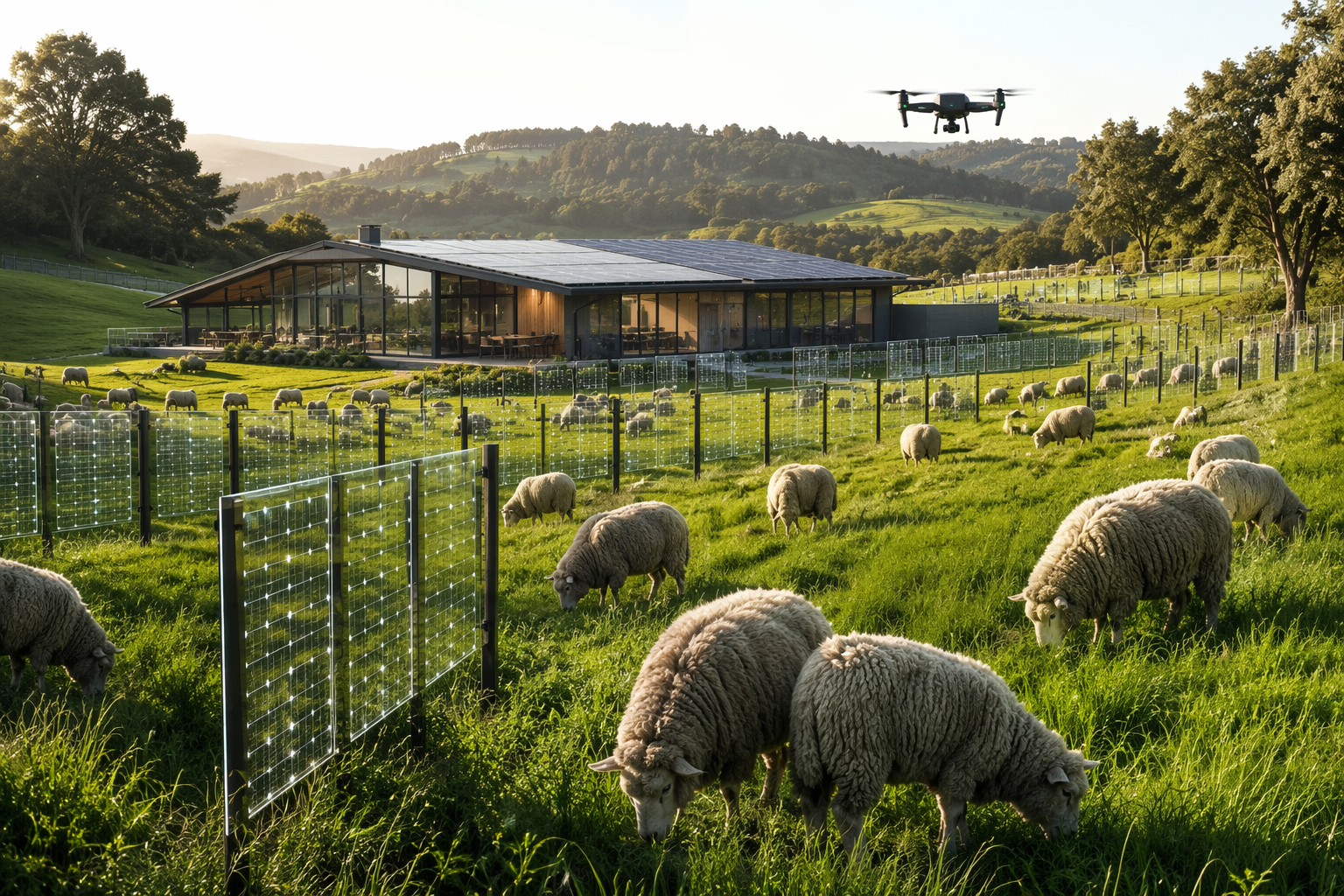
By 2028, leading knitwear brands have partnered directly with regenerative farms. These farms utilize holistic grazing techniques that sequester more carbon than the sheep produce. The resulting wool is not just carbon-neutral; it is carbon-negative.
Biodiversity as a KPI
Supply chain transparency now includes biodiversity monitoring. Drones and soil sensors provide real-time data on the health of the ecosystem where the wool was sourced. This data is fed directly into the garment’s Digital Product Passport, allowing the consumer to see the impact of their purchase on local flora and fauna.
Comparative Analysis: Traditional vs. 2028 Future Knitwear
| Feature | Traditional Knitwear (2020s) | 2028 Strategic Future |
|---|---|---|
| Manufacturing | Cut and Sew (High waste) | 3D Seamless (Zero waste) |
| Transparency | Basic “Made In” labels | Mandatory Digital Product Passport |
| Fiber Tech | Passive warmth | Bio-responsive / Cognitive fibers |
| Supply Chain | Global, fragmented, opaque | Localized, blockchain-verified, regenerative |
| End of Life | Landfill or downcycling | Automated resale and molecular recycling |
2028 Shopping Recommendations: The Vanguard of Knitwear Strategy
For those looking to invest in the 2028 aesthetic today, these brands represent the strategic bridge to the future:
- Sheep Inc. (The Traceability Pioneer)
- Reason: They were among the first to offer carbon-negative knitwear with NFC tags for full traceability. Their model of “adopting a sheep” with every purchase perfectly anticipates the 2028 desire for emotional connection and provenance.
- Pangaia (Material Science Leader)
- Reason: Their focus on lab-grown alternatives and bio-based fibers (like FLWRDWN) sets the benchmark for the “Wellness-Skin” economy.
- Vollebak (Extreme Innovation)
- Reason: Known for their “indestructible” and highly functional knits, they embody the 2028 shift toward “clothing as a survival and wellness system.”
User Perspective: Feedback from the 2028 Consumer
“I used to buy five sweaters a year. Now, I buy one every two years,” says Liam G., a strategy consultant based in San Francisco. “My latest 3D-knit wool hoodie has a scannable tag that shows me exactly which farm in New Zealand the wool came from. It even tells me when it needs a professional bio-cleaning. I feel like I’m wearing a piece of a healthy ecosystem, not just a garment.”
FAQ: Navigating the Future of Knitwear
Q: Is the Digital Product Passport mandatory for small brands? A: By 2028, the EU mandate applies to all textile products entering the market, regardless of brand size. However, localized “traceability-as-a-service” platforms have made it affordable for boutiques to comply.
Q: Can 3D-knit garments be repaired easily? A: Yes. Because they are seamless, they are often more durable. Many brands now offer “digital twins” of the garment’s stitch map, allowing localized 3D-knitting kiosks to execute invisible repairs.
Q: Do smart fibers lose their function after washing? A: The latest 2028 innovations use molecularly bonded active agents or conductive polymers integrated into the core of the yarn, ensuring that the bio-responsive functions last for the entire lifespan of the garment (typically 50+ washes).
Conclusion: The Strategic Path Forward
The future of global knitwear in 2028 is a delicate balance of high-tech efficiency and high-touch humanity. Brands that succeed will be those that embrace transparency as a core value, rather than a compliance hurdle. We are moving toward a world where every loop of yarn tells a story of regeneration, every fiber supports human health, and every garment is a permanent part of a circular loop. The outlook is bright, resilient, and—above all—sustainable.