



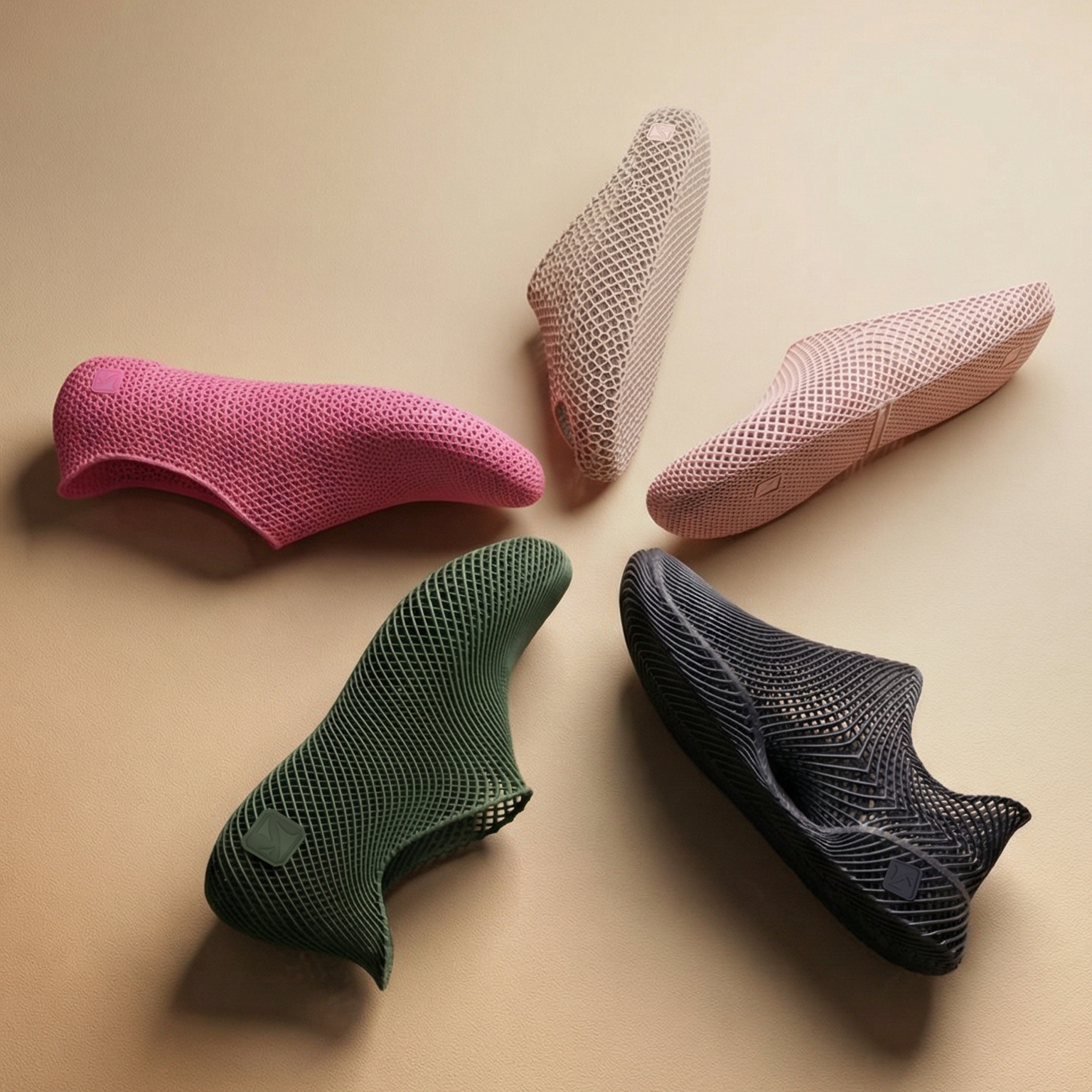
What are the limitations of 3D printed shoes?
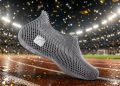
Although 3D printed shoes have become one of the hottest topics in modern footwear, the technology still has several real-world limitations.
Material performance limitations
Most 3D printed shoes use TPU, EVA, or similar polymer materials. These materials offer good flexibility and allow brands to create complex shapes that traditional manufacturing cannot easily produce. However, compared to traditional rubber outsoles or performance foams, some 3D printed structures still struggle with long-term wear resistance, tear strength, and performance under extreme temperatures.
In real-world use, especially under heavy daily wear or intense sports activity, some users report that certain lattice midsoles gradually lose rebound or show visible outsole wear faster than expected.
Production capacity and efficiency challenges
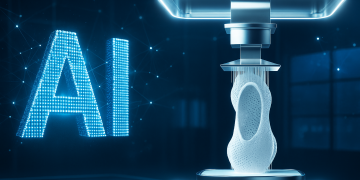
Even with advanced technologies like Carbon DLS or AI-assisted manufacturing systems, 3D printing is still significantly slower than traditional injection molding. Industrial printers remain expensive, production time per pair is relatively long, and scaling popular products quickly is difficult.
This is one reason why most fully 3D printed shoes are still produced in relatively small quantities.
Design and comfort challenges
Lattice structures, honeycomb cushioning, and variable-density designs require advanced engineering, simulation, and material expertise. A shoe that looks futuristic online does not always feel comfortable during long-term wear.
Some early-generation products received criticism because they prioritized visual design over real walking comfort or stability.
Price and consumer concerns
Many premium 3D printed shoes now retail close to $200–$500. Compared to traditional shoes in the same category, the “technology premium” is still obvious.
Some buyers also remain cautious about durability, safety, repairability, and long-term performance consistency, especially since the category is still relatively new.
Recycling and sustainability gaps
Many brands market 3D printed shoes as recyclable or sustainable. In reality, recycling systems are still developing. Different materials often require different recycling processes, and a truly large-scale closed-loop system has not yet fully matured.
While the sustainability potential is promising, the industry still needs broader cooperation between manufacturers, materials suppliers, and recycling infrastructure.
What are the benefits of 3D printed shoes?
A true custom-fit experience
One of the biggest advantages of 3D printed shoes is personalization. Using 3D scanning, gait analysis, and pressure mapping, brands can create shoes that better match an individual foot shape.
Instead of relying entirely on standard sizing, different parts of the shoe — including the midsole, insole, or upper — can be adjusted for specific support or cushioning needs.
This is especially useful for people with:
- High arches
- Flat feet
- Overpronation
- Supination
- Wide forefeet
- Uneven walking patterns
Some users describe the experience as feeling more supportive and structured than traditional foam-based shoes, especially during long periods of standing or walking.
Functional breakthroughs through structural innovation
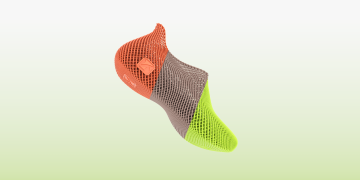
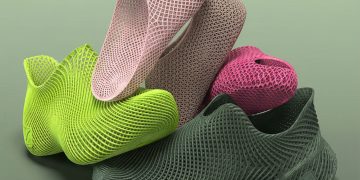
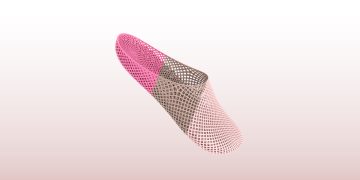
3D printing allows brands to create highly complex structures such as honeycomb cushioning, lattice midsoles, and variable-density support zones.
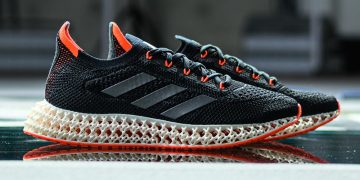
For example, Adidas 4DFWD uses a lattice design intended to convert downward force into forward motion. Other brands, including Peak and Anta, have experimented with lightweight structural systems inspired by spine-like geometry to balance support and flexibility.
These types of designs are extremely difficult to achieve using traditional foam molding.
On-demand production and lower inventory pressure
Traditional footwear manufacturing often requires large inventory commitments. Unsold products can quickly become waste.
3D printed shoes support a more flexible “produce-after-order” model. This helps reduce inventory pressure, material waste, and overproduction.
The model works particularly well for:
- Limited editions
- Niche footwear markets
- Medical or orthopedic shoes
- Experimental fashion products
Sustainability and circular economy potential
Without complex molds, glue-heavy assembly, or multiple layered materials, some 3D printed shoes may eventually become easier to recycle than traditional footwear.
Certain companies, including Zellerfeld, are already exploring programs that allow old shoes to be recycled and remanufactured into new products.
Although the ecosystem is still developing, many industry experts see 3D printing as one possible path toward a more sustainable footwear industry.
Greater design freedom and artistic expression
3D printing removes many limitations found in traditional footwear manufacturing.
Designers can experiment with:
- Organic shapes
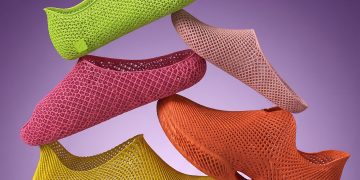
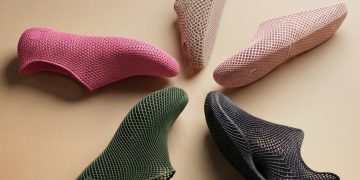
- Open lattice geometry
- Sculptural midsoles
- Parametric surfaces
- Futuristic silhouettes
Some 3D printed shoes look closer to wearable industrial art than conventional sneakers, which is part of the appeal for collectors and trend-focused buyers.
How much do 3D printed shoes cost?
In 2026, most 3D printed shoes range from approximately $200 to $600, depending on the level of customization, production complexity, and brand positioning.
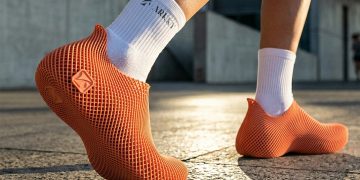
High-end brands like Zellerfeld or ARKKY often price fully printed shoes above $400, especially for small-batch or highly customized products.
More accessible options, including certain Adidas 4D, Peak, or Anta models, now typically fall into the $200–$300 range.
Several major factors influence pricing:
- Printing complexity (full-shoe printing vs. midsole-only printing)
- Customization level
- Material quality
- Brand premium
- Production scale efficiency
As production speed improves and more companies enter the market, many analysts expect prices to continue decreasing over the next several years.
How long do 3D printed shoes last?
The lifespan of 3D printed shoes
Most 3D printed shoes currently last between 1 and 3 years under normal use. Actual lifespan depends heavily on wear frequency, activity level, structural design, material quality, and user care habits.
For casual daily wear or light walking, many models can remain comfortable for several years.
Under intense sports use or harsh outdoor conditions, some midsoles may begin losing elasticity or showing visible wear within 6–12 months.
Key factors that affect durability include:
- Material quality (high-elastic TPU, composite polymers, etc.)
- Lattice density and structural design
- Surface coating and UV resistance treatment
- Environmental exposure
- User care and storage habits
Some brands are also experimenting with partial reprinting or recycling-based remanufacturing systems, which may eventually improve repairability and long-term sustainability.
What are the different types of 3D printed shoes?
Types of 3D printed shoes
By structure:
- Full-shoe integrated printing (such as Zellerfeld or ARKKY)
- Midsole or insole custom printing (such as Adidas 4D or New Balance concepts)
- 3D printed or 3D knitted uppers (such as Nike Flyprint)
By application:
- Professional sports footwear (running, basketball, soccer, etc.)
- Medical or orthopedic footwear
- Daily lifestyle or fashion sneakers
- Kids’ adaptive growth shoes
- Industrial or special-purpose footwear
Some emerging niche markets are also exploring:
- Foot-scanning apps for personalized ordering
- Art collaborations and collectible releases
- Custom work footwear for specific industries
How do 3D printed shoes feel?
The wearing experience of 3D printed shoes
First impression: structured support and customized fit
Because many 3D printed shoes are designed around personalized geometry or advanced cushioning systems, the first wearing experience often feels noticeably different from traditional foam shoes.
Many users immediately notice:
- Stronger arch support
- More structured cushioning
- Greater stability
- A more “engineered” underfoot feel
Some users describe the sensation as feeling more supportive and controlled than soft EVA midsoles.
Dynamic feedback and energy return
Lattice structures can create targeted energy return zones that feel responsive during walking or running.
Certain high-end models produce a subtle bounce-back effect during movement, especially during fast walking or light running.
However, comfort varies significantly between brands and designs. Some models feel smooth and stable, while others may feel too firm or unusual for users accustomed to traditional foam shoes.
Breathability and lightweight feel
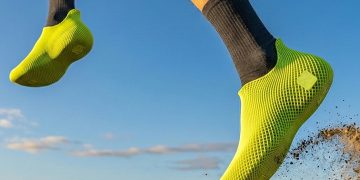
The open lattice structure used in many 3D printed shoes helps improve airflow and reduce heat buildup inside the shoe.
Many users report that their feet feel cooler and less trapped during hot weather compared to dense foam sneakers.
Break-in period and adjustment
Some wearers experience a short adjustment period during the first few wears because the structure feels different from conventional shoes.
Over time, many users adapt to the support geometry and find the fit more natural and comfortable.
Final Thoughts on 3D Printed Shoes
3D printed shoes are reshaping the footwear industry by combining advanced manufacturing, personalization, and futuristic design.
The technology already offers real advantages in:
- Customization
- Structural innovation
- Design freedom
- Flexible production
- Sustainability potential
At the same time, important challenges still remain, including production cost, long-term durability, manufacturing speed, and consumer trust.
Some products already feel genuinely impressive in daily wear. Others still feel experimental and are better viewed as early-generation technology.
As materials improve and production systems mature, 3D printed shoes will likely become a far more common part of the footwear industry over the next decade.
For sneaker enthusiasts, footwear brands, designers, and technology-focused consumers, this is still one of the most interesting areas to watch in the future of footwear.