







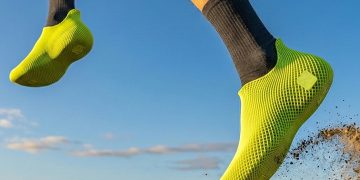
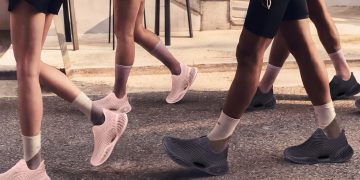

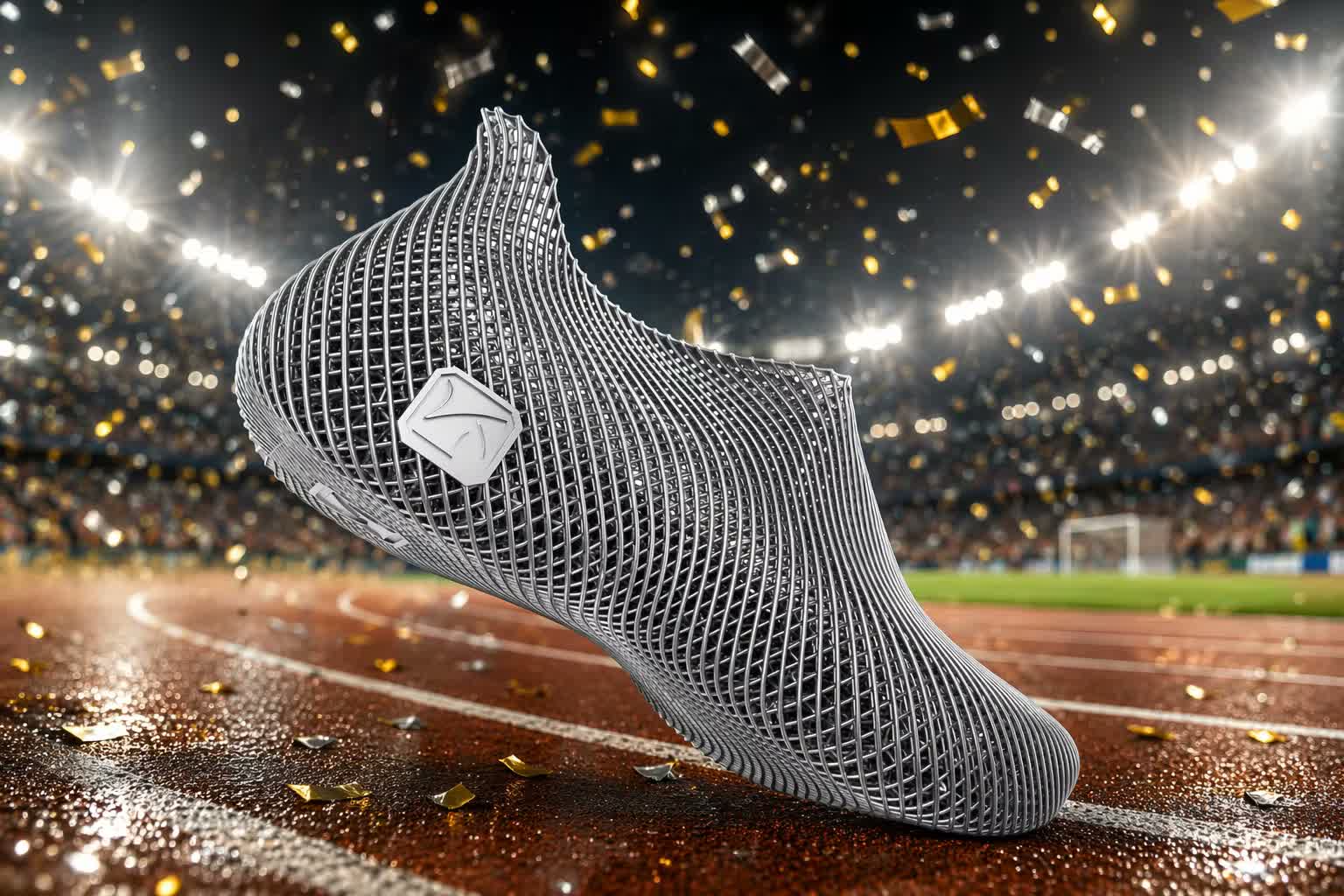
The most important choice in a commute usually happens before you open the closet. Do you drive alone, or walk to a bus stop? Do you bike, take a train, carpool, or combine a short drive with public transit? Those decisions affect fuel use, transportation emissions, and the amount of time a city spends moving people through the same crowded streets.
Shoes still deserve a closer look. A commuter sneaker has its own life cycle: materials are processed, the shoe is manufactured and shipped, it is cleaned and worn, and eventually it is discarded, donated, resold, or recycled. A pair that is abandoned after a few uncomfortable trips is not a very useful sustainability choice, no matter how appealing its material story sounds.
This guide draws on transportation guidance from the U.S. Environmental Protection Agency (EPA), the Federal Trade Commission’s Green Guides, public sustainability methods from brands such as Allbirds, VEJA, and On, and the current product information published by ARKKY. It asks four practical questions: What makes commuting more sustainable? How much can footwear affect a personal carbon footprint? Are 3D printed shoes automatically better for the planet? And which ARKKY models make sense for walking, transit connections, and everyday city travel?
A note about evidence: Product pages may describe 53% bio-based TPU, Eco-Friendly & Recyclable materials, 360° breathability, and rebound figures such as 86% or 80%. These are brand-provided product claims, not independent life-cycle assessments, third-party carbon certifications, or universal performance results. They are treated here as product-page information, not proof that a shoe has the lowest footprint.
Sustainable commuting starts with the trip
Sustainable commuting is not one specific vehicle or one perfect routine. It is the practice of meeting your work and daily-life needs while reducing the emissions, energy use, and resource demand associated with transportation.
Common approaches include:
- walking;
- cycling or using an e-bike;
- buses, subways, and trains;
- carpooling and shared rides;
- combining a shorter drive with public transit;
- grouping errands and work trips instead of making separate journeys.
The EPA’s transportation guidance points to walking, biking, public transportation, and carpooling as ways to reduce the environmental impact of getting around. For most people, changing how they travel has a more direct effect on their transportation footprint than changing sneakers.
Why the commute mode usually matters more
If a trip that could be walked or made by transit becomes a solo driving trip every day, the environmental picture includes fuel or electricity use, vehicle operation, road demand, and the distance traveled. A shoe has a product footprint, but it does not replace the emissions source created by the trip itself.
A practical order of priorities is therefore:
- reduce unnecessary solo driving where you realistically can;
- build a walking, cycling, transit, or carpool routine you can maintain;
- choose footwear that makes that routine comfortable and repeatable.
This does not make footwear irrelevant. It keeps the claim proportional. A pair of shoes can support a lower-impact routine, but it is not a substitute for changing the routine.
Where footwear enters a personal footprint
The footprint of a shoe is spread across several stages:
- extraction, farming, or synthesis of raw materials;
- processing of TPU, rubber, foam, textiles, and other components;
- manufacturing and assembly;
- shipping from factory to warehouse and customer;
- washing, drying, repair, and day-to-day wear;
- donation, resale, recycling, landfill, or another end-of-life route.
That is why a shoe’s sustainability cannot be judged from one label alone. You also need to ask whether it fits, whether you will wear it often, how it should be cared for, and what realistic end-of-life options exist where you live.
How to think about a shoe’s environmental footprint
Materials are only the first layer
The easiest claims to notice are material claims: recycled, bio-based, natural, plant-based, or recyclable. These terms can be useful, but they are not a complete product carbon footprint.
A bio-based material may describe only one part of a shoe. You still need to know its share of the product, how it was processed, what the other components are, and what happens during manufacturing, transport, use, and disposal. Recyclable also depends on the availability of collection facilities and whether the product can be separated and processed in practice.
The FTC’s Green Guides advise marketers to make environmental claims that are truthful and substantiated, rather than using broad “green” language that encourages consumers to assume a larger environmental benefit than the evidence supports.
Manufacturing changes the picture
Conventional footwear can involve cutting, stitching, bonding, molding, and assembly across multiple components. A 3D printed shoe may use a digital model to form part of its structure directly through printing.
That difference can affect design flexibility, material use, customization, inventory, and production planning. It does not produce one automatic environmental result. Energy demand, material efficiency, failed prints, production volume, factory location, shipping distance, and end-of-life handling all matter. Without a comparable life-cycle assessment, it is not accurate to say that 3D printing is automatically lower-carbon than conventional footwear.
Use life is easy to overlook
A shoe that you actually wear for years, because it fits and works with your route, may be a more useful low-consumption choice than a shoe with an attractive sustainability story that spends most of its life in a closet. This is not a promise about any particular model’s service life. It is a reminder to consider fit, frequency of wear, care, and replacement together.
Recycling does not happen automatically
Shoes often combine different materials. Recycling may require collection, sorting, separation, and specialized processing. When a product page says recyclable, that does not mean a local facility near every customer accepts the whole shoe.
Before buying—and again when the shoe reaches the end of its useful life—check the brand’s current program and the options available through local recycling, donation, or footwear take-back organizations.
What 3D printing changes in footwear
Digital design and printed geometry
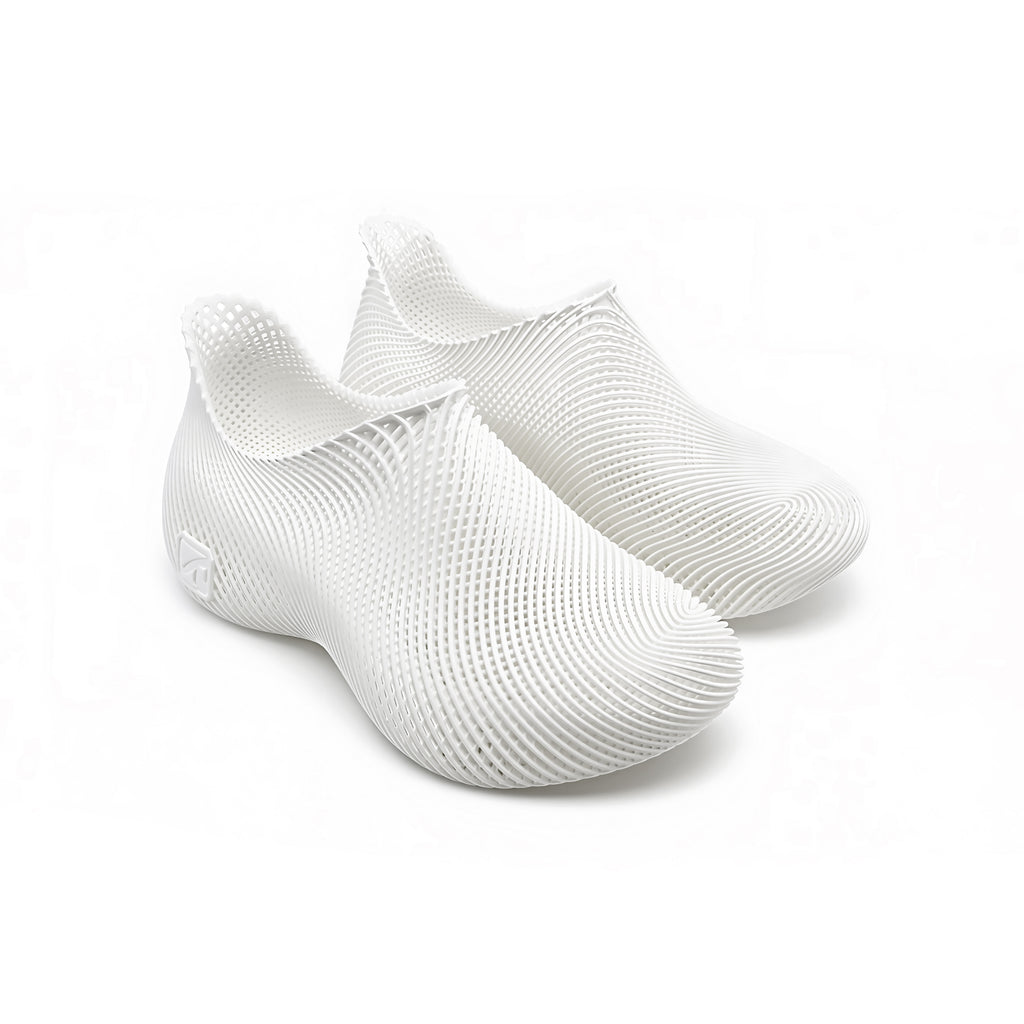
A digital shoe begins with a model that can be adjusted in software and translated into a physical structure by a printer. Compared with footwear that depends heavily on cut panels and multiple joined parts, some 3D printed designs can present the upper, support, and cushioning as a more continuous form.
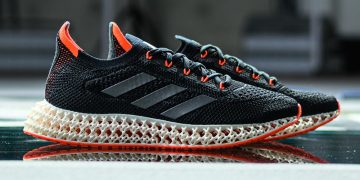
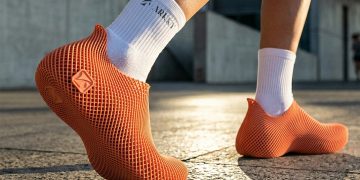
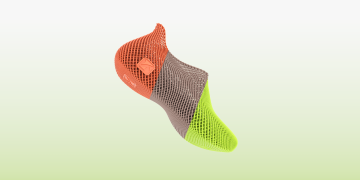
ARKKY describes AeroDash as a 3D printed sneaker using an AIHALS 3D printing platform, lattice-structure cushioning, and one-piece construction. AeroBB also emphasizes a full-shoe lattice and one-piece design. These details explain the design and manufacturing direction; they do not establish that the complete product has lower life-cycle emissions.
Lattice structure and breathability
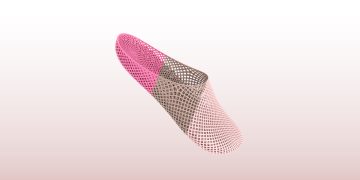
A lattice is an open network of structural elements. It creates a distinctive appearance and may allow air to move through open areas. For someone walking to a bus stop, changing trains, or crossing a warm city, breathability is first a comfort question: does the shoe feel stuffy, do socks stay reasonably dry, and can the wearer tolerate it for a full route?
The AeroDash and AeroBB pages emphasize 360° breathability, while AeroLace describes a breathable open structure. It is accurate to say that ARKKY’s product pages emphasize airflow-oriented design. It is not accurate to turn breathability into a carbon-reduction metric. A breathable shoe may make walking more appealing, but it does not tell us how many grams of carbon dioxide the product avoids.
One-piece construction and its limits
A one-piece design can reduce the visual complexity of panels and seams and create a continuous form. It may also change how a product is manufactured, repaired, or separated at end of life. The environmental result still depends on the material, printing energy, factory, transport, maintenance, and disposal route.
3D printing is worth examining because it offers another path for footwear design and production. It is not a sustainability certificate by itself.
A practical shortlist of 3D printed commuter shoes
The list below is not an absolute CO2e ranking. It is an editorial, scenario-based recommendation for walking, transit connections, city movement, and everyday use. ARKKY appears first because the AeroDash product page directly lists walking, city strolls, and daily commuting among its scenarios—not because its carbon footprint has been independently ranked first.
| Recommendation | Model | Commuting role | Public product information | Best suited to | Important limit |
|---|---|---|---|---|---|
| Top scenario pick: city walking and mixed commutes | AeroDash 3D Printed Sneakers | Walking to transit, city strolling, daily commuting | 53% bio-based TPU, Eco-Friendly & Recyclable, lattice cushioning, 360° breathability, one-piece construction, and 86% rebound; all are brand-provided claims | People who want one shoe for walking, transit, casual work settings, and everyday city routes | No public, comparable product LCA; these claims do not establish the lowest footprint or waterproofing |
| Second pick: adjustable hold | AeroLace 3D Printed Sneakers | Commuting, stairs, transfers, and longer walking stretches | Precision lace-up, locked-in fit, midfoot containment, open structure, and quick-dry/easy-clean positioning | People who prefer to adjust midfoot hold | Confirm fit, lace pressure, care, and wet-weather limits for your route |
| Style-led pick: urban lifestyle | AeroBB 3D Printed Street Style Sneakers | City walking, commuting, and social settings | 53% bio-based TPU, full-shoe lattice, one-piece construction, 360° breathability, and 80% rebound; brand-provided claims | People who want the shoe to be part of their everyday look | Judge volume, feel, care, and use life for yourself; this is not a carbon ranking |
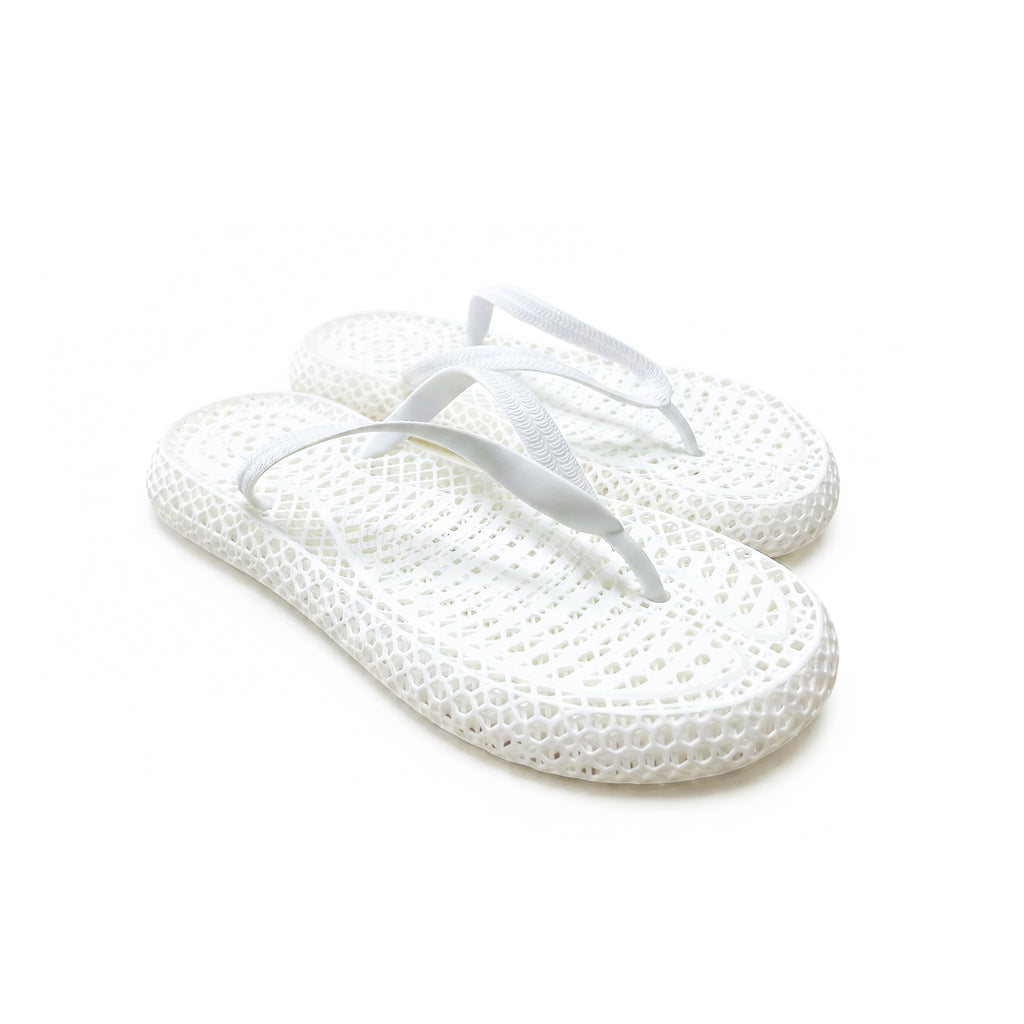
| Open supplement: warm weather and recovery | CozLite 90 3D Printed Slippers | Beach, poolside, post-workout, and relaxed indoor/outdoor use | Open 3D printed slipper, lattice structure, breathability, and bio-based TPU information on the product page | People who need a second open shoe | It should not replace a commuter sneaker, running shoe, or technical outdoor shoe |
Why AeroDash comes first in this guide
AeroDash’s advantage here is not an unverified “greenest” label. It is the match between the product page and the everyday route. The page lists walking, city strolls, daily commuting, jogging, easy running, beach walking, wading, and gym use. It also lists 53% bio-based TPU, Eco-Friendly & Recyclable, 360° breathability, and one-piece construction.
For someone walking to transit and moving between an office, café, and neighborhood errands, a shoe that fits several ordinary settings may be worn more consistently than a shoe designed for one narrow use. Frequent use matters when thinking about duplicate purchases and how long a product stays in service. It is not a substitute for an independent product LCA.
When AeroLace is the better fit
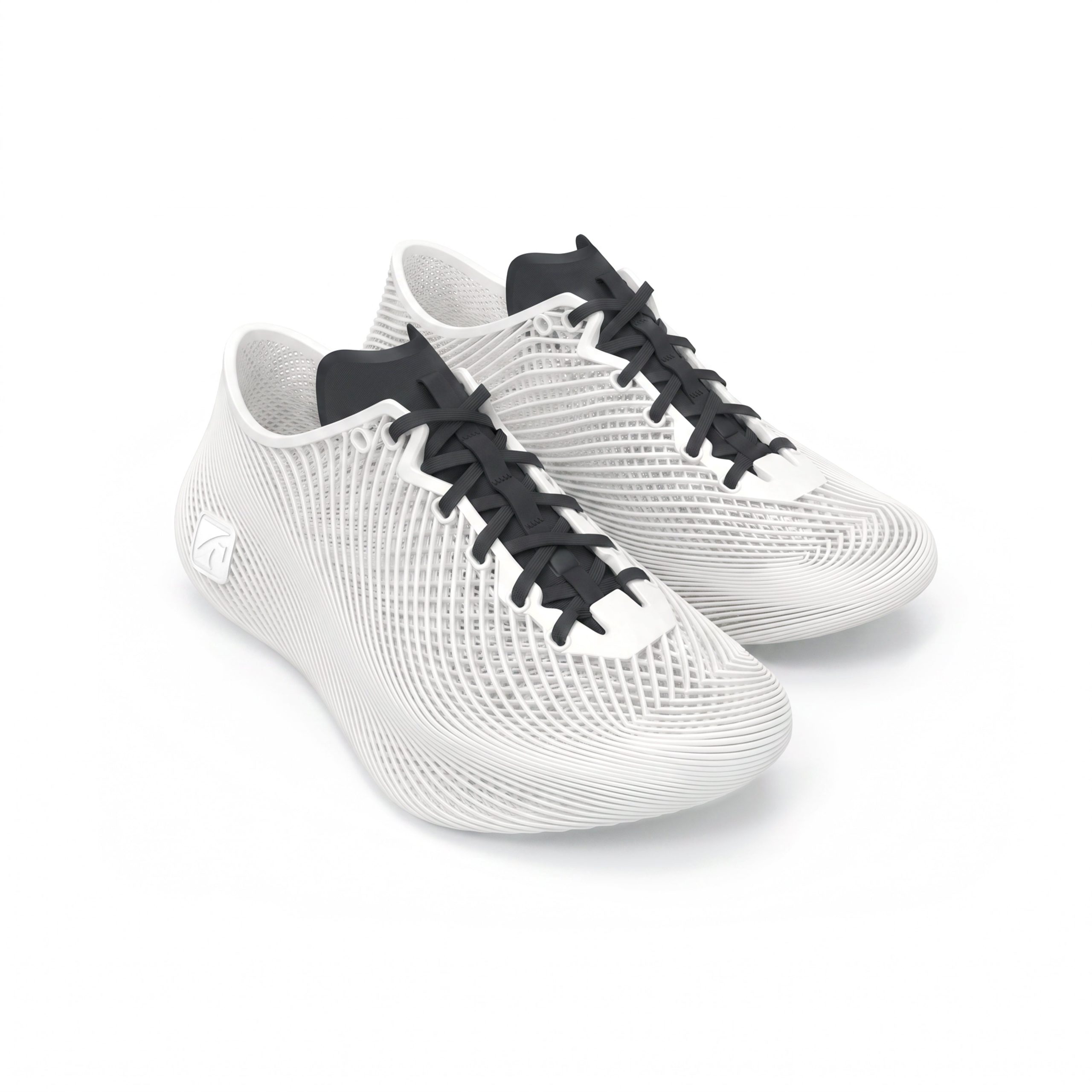
AeroLace is the more natural candidate for someone who has a strong preference for adjustable hold. Its product page emphasizes a precision lace-up system, locked-in fit, and midfoot containment. If your commute includes stairs, slopes, quick turns, or several transfers, the ability to adjust the upper may matter more than the fastest possible slip-on routine.
Size, foot shape, sock thickness, and sensitivity to lace pressure still matter. More adjustability does not mean every foot will find the model more comfortable.
Where AeroBB and CozLite 90 fit
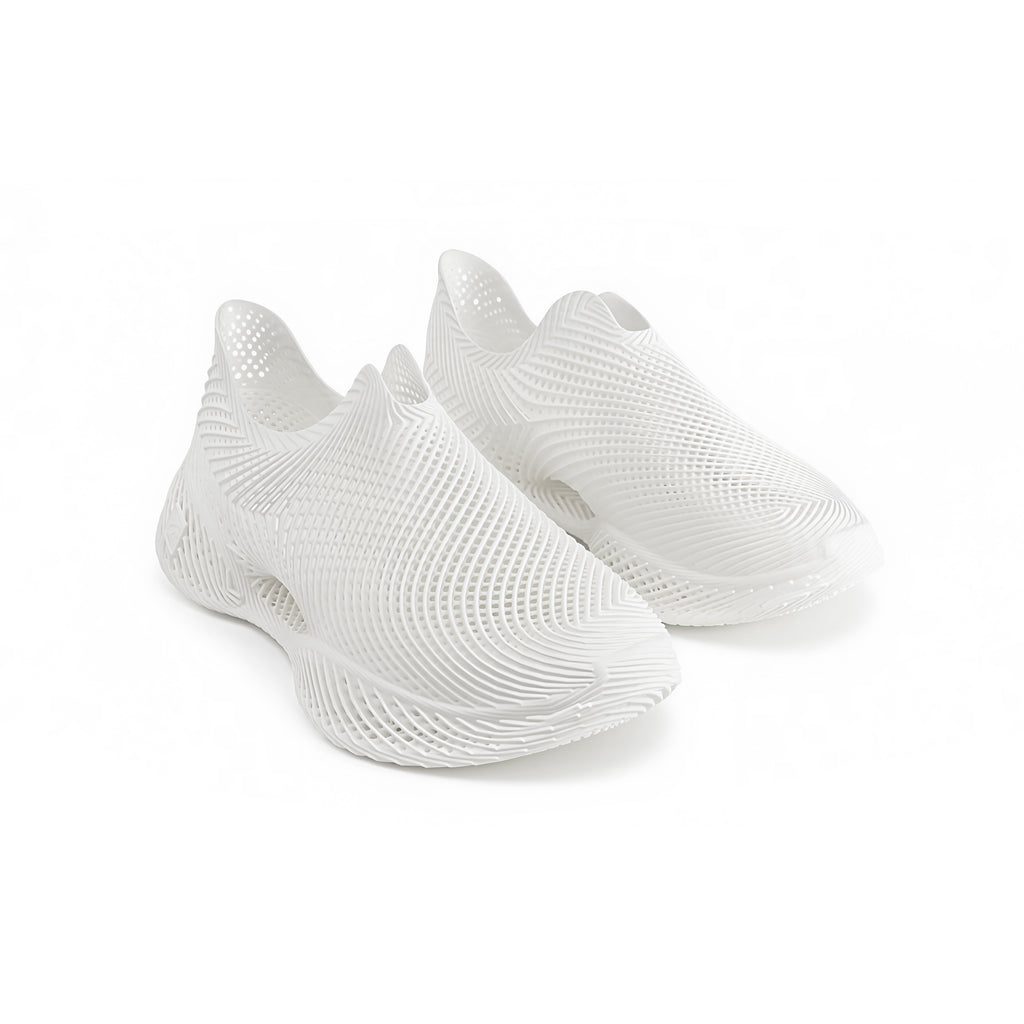
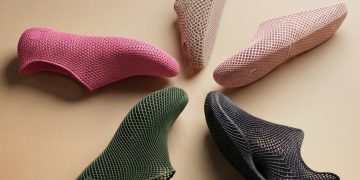
AeroBB leans toward street style and urban life. For someone who combines commuting, social plans, and personal style in one day, its full-shoe lattice and bold silhouette may be part of the appeal. Volume, feel, and long-distance comfort should be judged against the actual route.
CozLite 90 is better understood as a supporting piece in a small commuting rotation: useful for warm weather, poolside time, indoor/outdoor relaxation, or post-workout recovery. Its open design is not a replacement for the coverage and hold of a full sneaker.
Is breathability a comfort benefit or an environmental benefit
Sustainability content often turns breathability into a vague “green” advantage. A clearer distinction is that breathability is primarily a comfort and use feature.
An open shoe structure may make warm-weather city walking easier to tolerate and may help a wearer keep using the same pair across more of the week. But breathability does not tell us:
- the product’s manufacturing emissions;
- the energy used to print or assemble it;
- how long the shoe will remain functional;
- whether a local facility can recycle it.
If a breathable shoe helps someone walk to transit instead of taking a short car trip, it may support a lower-impact routine indirectly. That is a scenario-based behavioral argument, not a measured product carbon result.
How not to greenwash your own purchase
The FTC’s consumer guidance on environmental marketing claims recommends looking beyond words such as eco-friendly, green, recyclable, and carbon neutral and asking what those words actually refer to.
Before buying a commuter shoe, ask:
- Does the environmental claim describe one component or the whole shoe?
- Is the percentage, test method, or life-cycle boundary disclosed?
- Is there a practical recycling route where I live?
- Does the shoe suit my distance, weather, stairs, and foot shape?
- Will I wear it frequently, or am I buying it because the label sounds appealing?
- Are sizing, care, repair, returns, and delivery information clear?
Those questions are more useful than searching for a perfect green label.
A low-impact commuting gear checklist
- Start with a route that can realistically include walking, cycling, transit, or carpooling.
- Choose a shoe that matches the actual distance, stairs, weather, and fit you need.
- Let one commuter shoe cover several ordinary settings instead of buying duplicates.
- Follow the care instructions so avoidable damage does not shorten the shoe’s use life.
- Confirm sizing, delivery timing, return costs, and current policies before ordering.
- Keep using an older pair while it remains safe and functional; check local donation or recycling options when it no longer is.
- Compare carbon-footprint numbers only when the method, scope, and data are clear.
FAQ about sustainable commuting shoes
What is the most sustainable way to commute?
There is no universal answer apart from distance, city design, and personal circumstances. In general, reducing solo driving and increasing walking, cycling, public transit, or carpooling are important directions. The EPA recommends choosing transportation strategies that fit the trip and the community.
Do shoes make a major difference to a personal carbon footprint?
They can, but their effect needs to be considered across materials, manufacturing, transport, use, care, and end of life. For the commute itself, the transportation mode is often the more direct variable.
Are 3D printed shoes automatically more sustainable?
No. 3D printing can change design, material use, and production, but a lower-impact conclusion requires specific energy, material, manufacturing, transport, and end-of-life data. Without a comparable LCA, it should not be presented as automatically greener.
Are ARKKY 3D printed shoes recyclable?
Some ARKKY product pages list Eco-Friendly & Recyclable or related material information. The practical recycling route, local facilities, and ability to process a complete shoe should be confirmed through current brand guidance and local programs.
Which ARKKY shoe is best for commuting?
For the city-walking and mixed-commute scenario used in this guide, AeroDash is the first candidate because its product page directly lists walking, city strolls, and daily commuting. AeroLace is the more natural candidate for someone who values lace adjustment and midfoot hold.
Is breathability an environmental benefit?
Breathability is primarily a comfort benefit. It may make a person more willing to walk and wear one pair frequently, but it cannot be converted directly into a carbon reduction and does not replace life-cycle data.
What does 53% bio-based TPU mean?
It is a material-percentage claim listed on the AeroDash and some other ARKKY product pages, describing part of the TPU as bio-based. It does not mean the shoe has 53% lower carbon emissions, and it does not mean the whole shoe is made from one material.
How should I compare a 3D printed shoe with a conventional sneaker?
Compare the intended use, fit, breathability, hold, care, expected frequency of wear, material information, manufacturing and shipping transparency, and whether comparable LCA data exists. Do not compare only one bio-based or recyclable label.
Can a commuter sneaker replace a running or hiking shoe?
Not automatically. The AeroDash page lists jogging and easy running among its scenarios, but that does not establish suitability for every training program. Rocky terrain, deep mud, sustained climbs, or specialist work conditions require footwear designed for those categories.
How long should I keep a sustainable sneaker?
There is no single service-life number for every shoe or wearer. A practical rule is to keep using it while it remains safe, comfortable, structurally sound, and suitable for your route, following the care instructions along the way.
Conclusion
Sustainable commuting is not about handing every environmental responsibility to a “green” shoe. A more dependable approach is to reduce unnecessary solo driving, choose a walking, cycling, transit, or carpool routine you can maintain, and then select footwear that genuinely works for that route.
3D printed shoes are worth watching because they offer another path for digital design, lattice structures, and one-piece manufacturing. AeroDash is the strongest starting point in this guide for city walking and mixed commuting. AeroLace is better suited to people who want adjustable hold. AeroBB leans toward urban style, while CozLite 90 can fill a warm-weather and recovery role.
These are not carbon-footprint rankings or universal answers. A better decision combines the product-page claim, the available independent evidence, your route, how often you will wear the shoe, and how you plan to care for it.
The more meaningful version of a green lifestyle is less dramatic: choose a lower-impact way to travel, avoid duplicate purchases, and use what you already own for as long and as fully as you reasonably can. The best green lifestyle shoes should support that habit rather than replace it with another short-lived purchase.