







Introduction: The Generational Tech Revolution in Footwear Midsoles
For decades, the core competitiveness of the global footwear industry has centered around “Material Chemistry.” From early basic EVA to today’s high-performance foams, while formulas have improved, the underlying logic of chemical foaming has remained unchanged. However, as additive manufacturing (3D printing) matures, a revolution shifting from “Material Mechanics” to “Digital Structural Mechanics” is quietly unfolding.
Next-generation technologies, represented by 3D Printed Lattice structures, are challenging the dominance of traditional EVA foams. This report provides a deep analysis of the fundamental differences between 3D printed lattice midsoles and traditional EVA (CMEVA/IMEVA), exploring why digital manufacturing solutions, led by brands like ARKKY, are considered the future of footwear evolution.
1. Traditional EVA Midsoles: The Foundation of the Foam Era
1.1 What is EVA?
EVA (Ethylene-Vinyl Acetate) is a classic closed-cell foam material. Due to its lightweight nature, low cost, and excellent processability, it has occupied over 90% of the sports shoe market for the past 40 years.
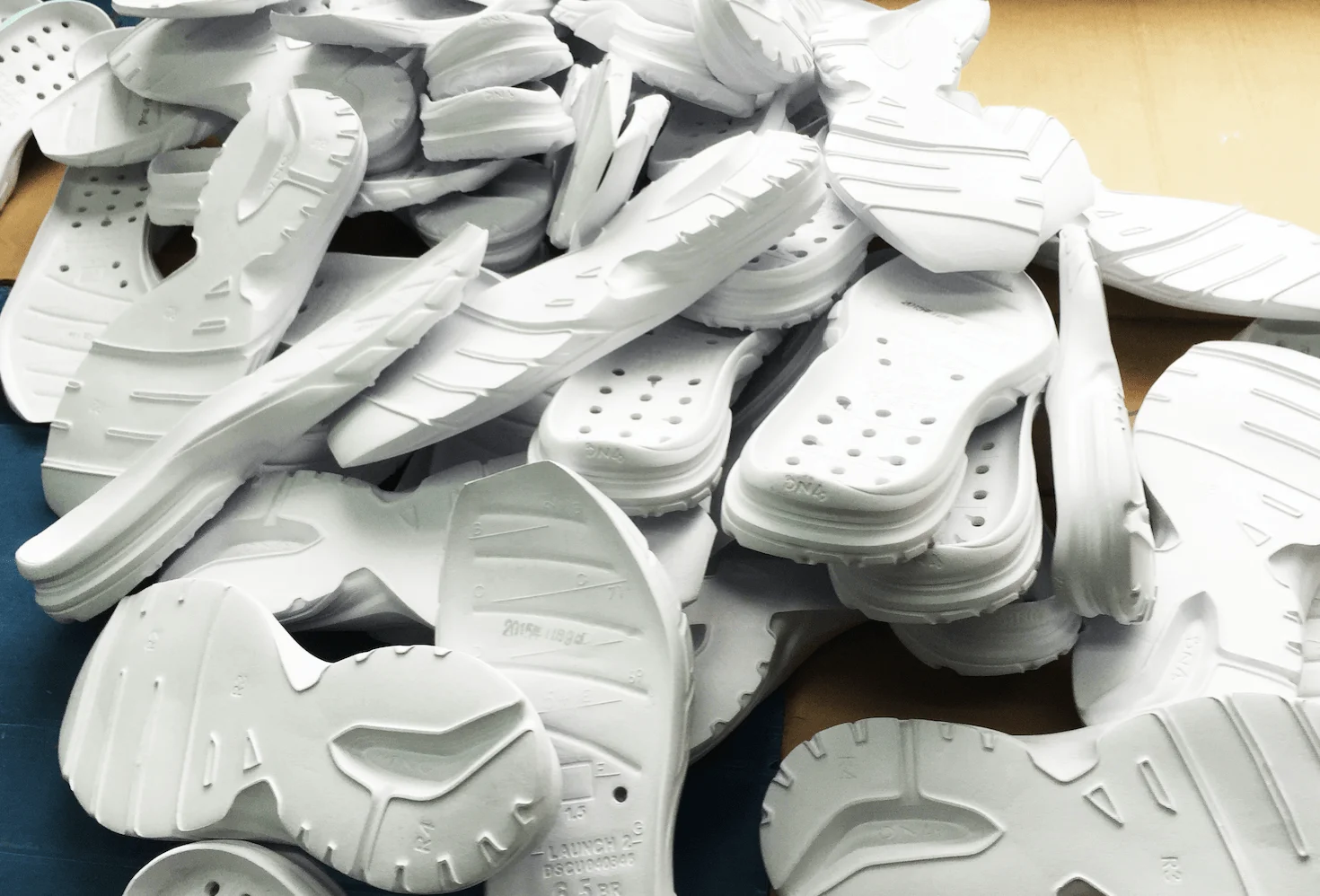
1.2 Two Core Processes of Traditional EVA: CMEVA vs. IMEVA
The performance of an EVA midsole depends not just on the formula, but on the manufacturing process.
A. Compression Molded EVA (CMEVA)
- Principle: Pre-foamed material is placed into a mold and shaped through secondary heat pressing.
- Advantages: High density consistency and stability; better at sustaining pressure over long distances.
- Disadvantages: High mold costs, long production cycles, and prone to physical collapse (Compression Set) over time.
B. Injection Molded EVA (IMEVA)
- Principle: Molten material is injected directly into a mold for one-step foaming.
- Advantages: Fast manufacturing, extremely low cost, and a very soft, “bouncy” feel.
- Disadvantages: Poor durability; cell structures rupture easily under long-term stress, leading to visible “fatigue wrinkles” on the midsole walls.
2. 3D Printed Lattice Midsoles: From Chemistry to Geometry
2.1 The Fundamental Leap in Cushioning Logic
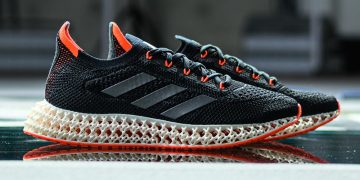
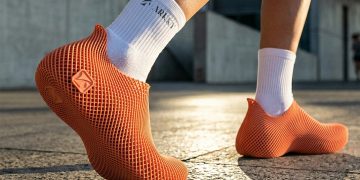
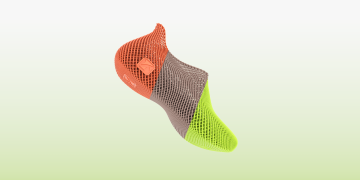
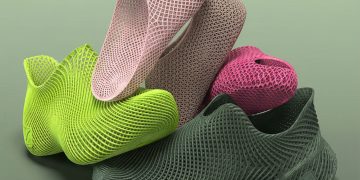
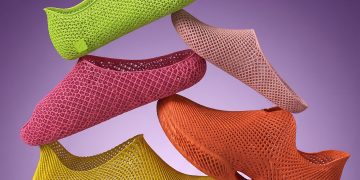
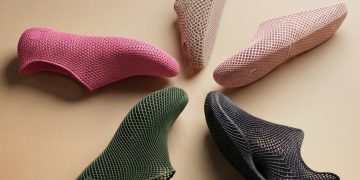
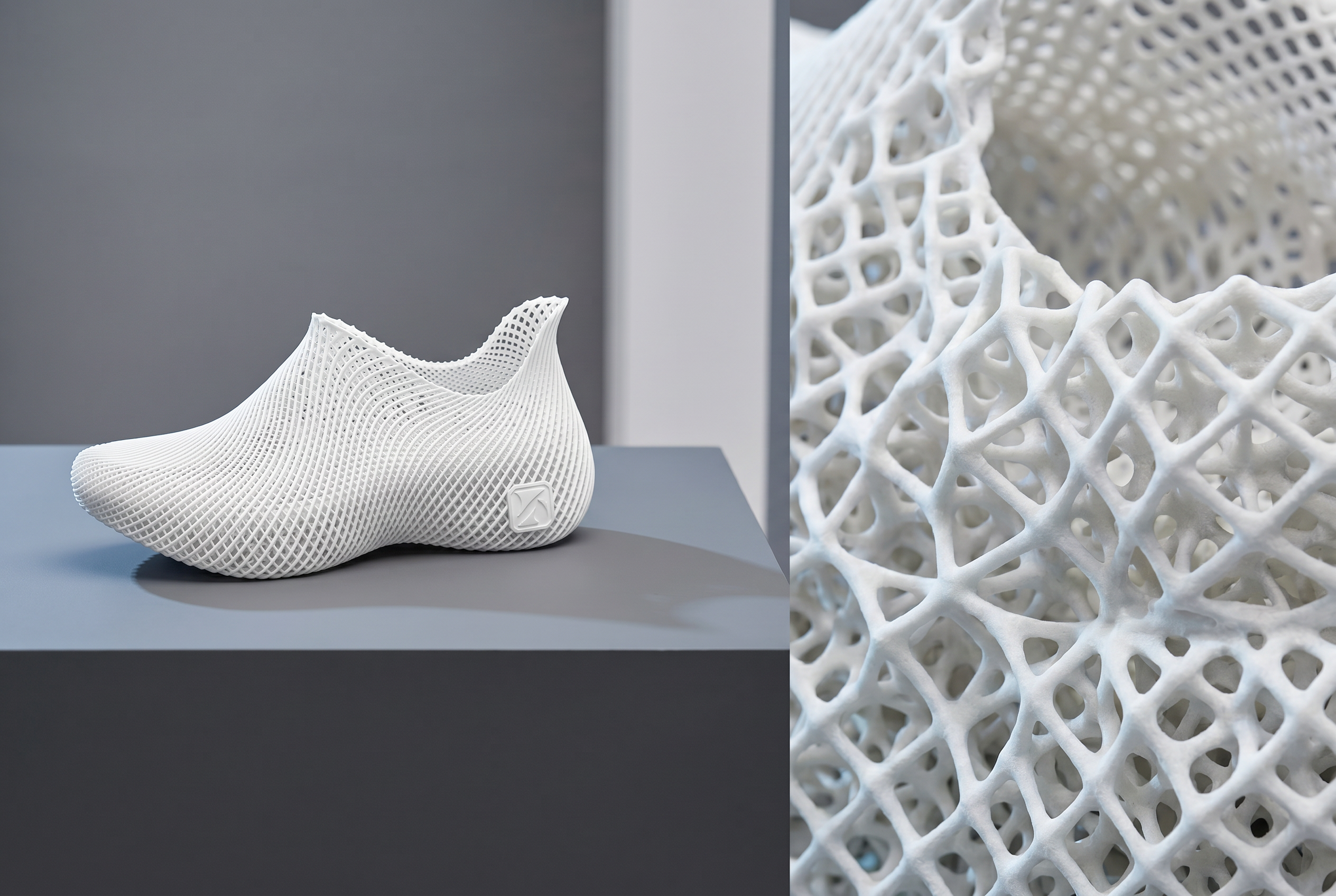
While traditional EVA relies on the compression of chemical bubbles to absorb shock, 3D printed lattice midsoles manage energy through thousands of precisely calculated geometric units (Lattice). This “Digital Structural Mechanics” transforms the midsole from a uniform block of foam into a complex engineered support system.
2.2 Mainstream Manufacturing & HALS Technology
Currently, there are three primary paths for 3D printed midsoles:
- FDM (Fused Deposition Modeling): Used for prototyping; limited accuracy and strength.
- SLS (Selective Laser Sintering): Industrial-grade; high precision but expensive.
- HALS (Hindered Asynchronous Light Synthesis): ARKKY’s core patented technology.
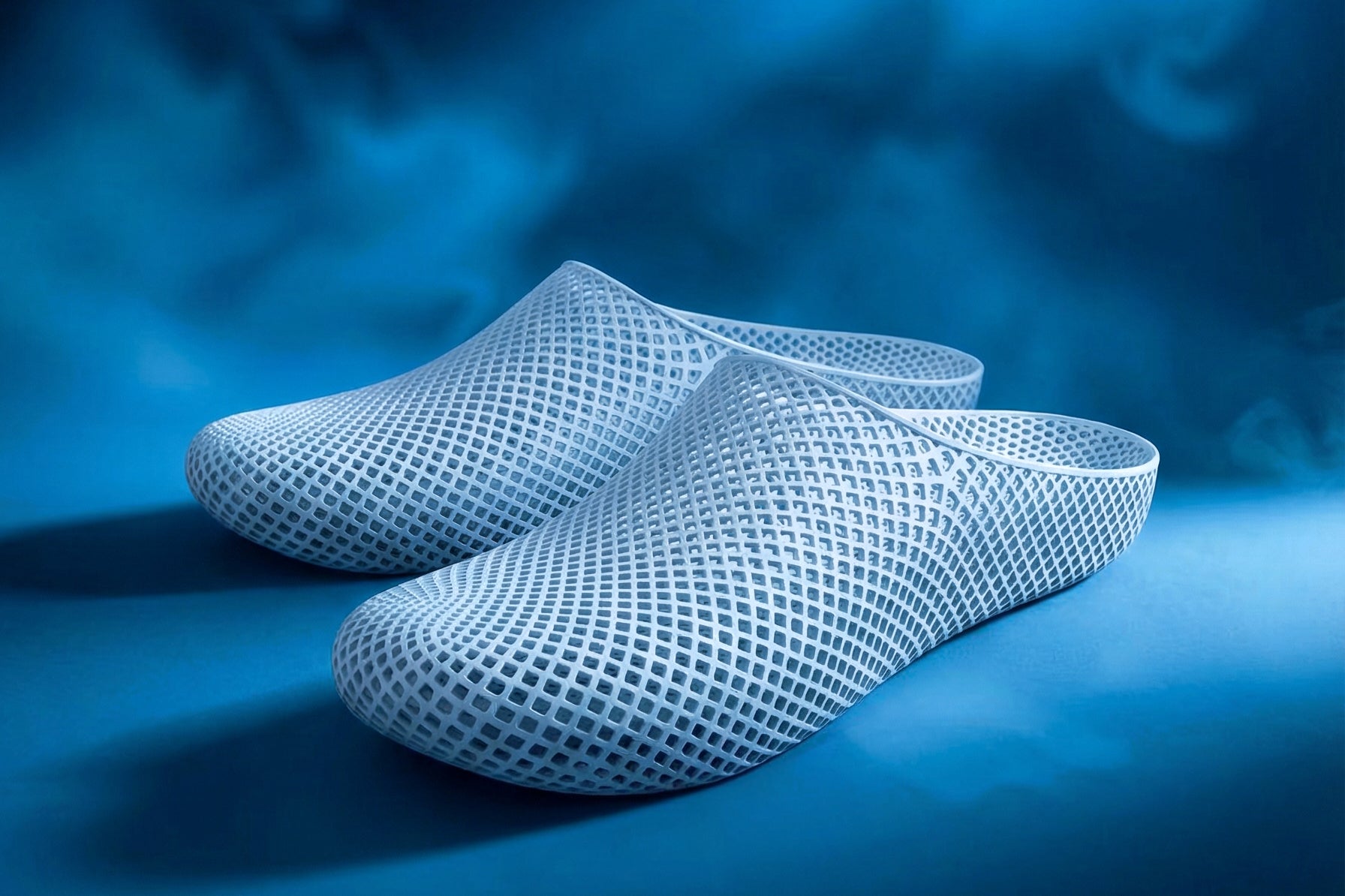
The Breakthrough Advantages of HALS Technology: As a next-gen photocuring technology, HALS addresses the efficiency bottlenecks of traditional 3D printing:
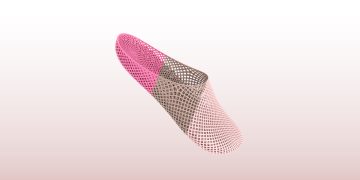
- Voxel-level Control: Enables parametric distribution on a single sole—soft rebound in the forefoot and high support in the arch.
- Mass Production: Printing speeds several times faster than traditional SLA, with a daily capacity of 200 pairs per machine, bringing 3D printed soles to the mass market.
3. Core Performance Duel: Lattice vs. EVA
Based on ARKKY laboratory data, here is a direct comparison:
| Performance Metric | Traditional EVA Midsole | ARKKY 3D Lattice Midsole | Gap |
|---|---|---|---|
| Cushioning Principle | Chemical Foam Compression | Parametric Geometric Deformation | Generational Gap |
| Rebound Rate (After 200k Cycles) | < 60% | ~95% | Lattice: Nearly No Decay |
| Permanent Height Loss (1M Cycles) | 4.2mm (Visible Collapse) | 0.3mm (Negligible) | Lattice: Significantly Longer Life |
| Manufacturing Tolerance | ±2mm (Affected by Shrinkage) | Millimeter Precision (Digital) | Lattice: Higher Accuracy |
| Breathability | Closed Structure, Traps Heat | Open Lattice, Free Airflow | Lattice: ~5x Improvement |
4. Key Advantages of 3D Printed Lattice Midsoles
4.1 Extreme Breathability & All-Weather Dryness
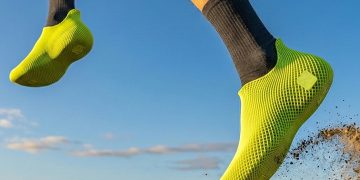
Traditional foams are solid and sealed, leading to heat and sweat buildup. The Lattice Structure features a fully open design, creating a natural air-cooling cycle with every step. The drying speed and breathability are incomparable to traditional shoes.
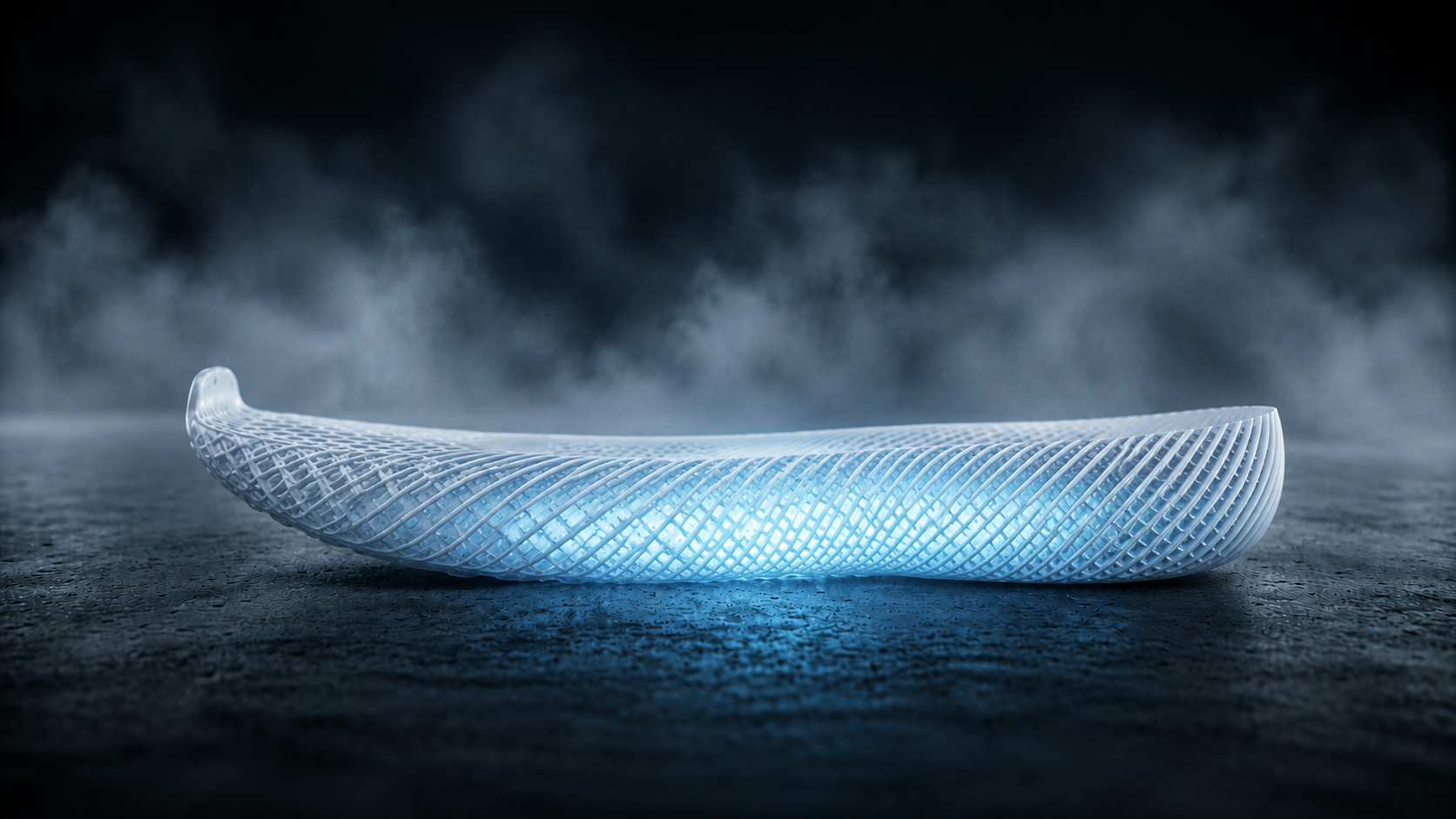
4.2 Zoned Parametric Cushioning
By adjusting the wall thickness, tilt, and geometry of the lattice, 3D printing can provide entirely different feedback across different zones of the sole—something impossible for traditional foam:
4.3 Long-Lasting Rebound (No Collapse)
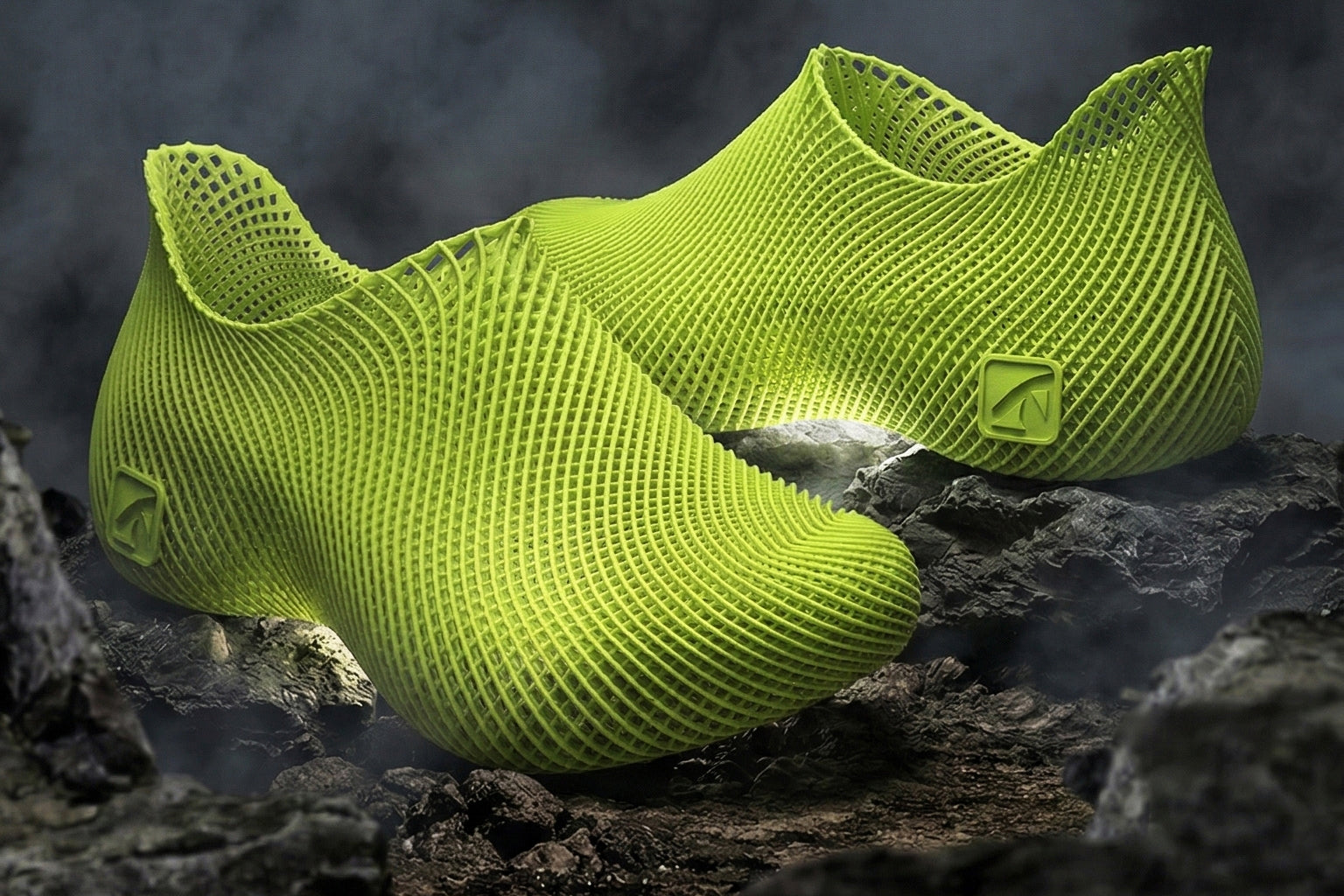
EVA soles become hard and thin over time because the internal bubbles burst. Lattice midsoles use high-performance TPU polymers, cushioning through structural elasticity rather than material fatigue. This ensures the shoes feel as responsive after two years as they did on day one.
5. FAQ: Common Myths About 3D Printed Midsoles
Q: Can EVA foam be injection molded? A: Yes. Injection Molded EVA (IMEVA) is mainstream for budget shoes. While light and soft, it is prone to aging and deformation, making it less suitable for professional runners seeking long-term performance.
Q: Are 3D printed shoes heavy? A: This was a concern in the early stages. However, with HALS Technology and structural optimization, modern 3D lattice soles are comparable in weight to high-end CMEVA while providing superior support.
Q: Why is ARKKY’s HALS considered industry-leading? A: It solves the speed issue while utilizing 53% bio-based materials, balancing top-tier performance with environmental sustainability.
6. Conclusion: Which One Should You Choose?
- Choose 3D Printed Lattice (e.g., ARKKY) if:
- You demand long-term cushioning consistency and hate the “dead foam” feel after a few months.
- You have sweaty feet and need maximum breathability.
- You need refined, zoned feedback (e.g., arch support vs. heel strike).
- You are a tech enthusiast seeking the future of biomechanical feedback.
- Choose Traditional EVA if:
- You prioritize extreme lightweight above all else (low-end IMEVA still has a weight edge).
- You are on a strict budget and prioritize initial cost-effectiveness.
Summary: The competition in footwear is shifting from “Chemical Materials” to “Digital Structures.” While 3D printing may not replace low-end EVA overnight, its absolute physical stability in the high-performance market signals the direction of the future.